5 Best Port Glasses (Features, Dimensions, Serving Ideas)
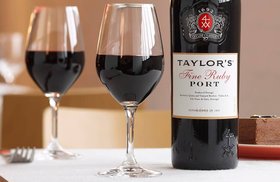
A small tulip-shaped glass — narrower at the rim than a standard wine glass — is the ideal shape for Port. It concentrates the wine's rich aromas while allowing enough surface area for the alcohol to soften. The traditional Port glass holds 2–3 oz, considerably smaller than a standard wine glass, reflecting Port's higher ABV (typically 19–22%) and role as a smaller, sipped serving.
Port's concentrated sweetness and higher alcohol content mean it benefits from specific glassware in a way that many other wines don't. The right glass genuinely changes how the wine's aromatics and warmth come across.
Further reading
- Find your Favorite Port Wine with our detailed guide.
- Take a virtual tour of Graham’s Port and how the wines are made.
5 Best Port Glass Styles
- The Copita. A traditional Spanish/Portuguese sherry-style glass with a narrow tulip shape and a stem. Excellent at concentrating aroma; the classic choice for tasting sessions and formal service.
- The Tawny Port Glass. Slightly wider than a Copita, designed to let Tawny Port's nutty, caramelized aromas open up more generously. Often used for Colheita and 20+ year Tawny expressions.
- The Vintage Port Glass. A larger-bowled tulip, closer in size to a standard red wine glass but still narrower at the rim. Vintage Port's complexity benefits from more surface area to breathe than younger or Tawny styles.
- The ISO Tasting Glass. The International Standards Organisation's official tasting glass — a small, all-purpose tulip shape used by professional tasters for consistency across wine styles, including Port.
- The Straw Copita (traditional 18th-century style). A small glass with a straw-like stem sipping mechanism, historically designed so the drinker's hand doesn't warm the bowl. A novelty today, but still used at some traditional Port houses.
Why Glass Shape Matters for Port
Port's higher ABV (typically 19–22%, versus 12–15% for most table wine) means the alcohol can dominate the nose if the glass is too open or too large. A narrower rim concentrates the aromatics — dried fruit, nuts, spice, and caramel notes in Tawny; dark fruit and structure in Vintage — while the smaller overall volume matches Port's role as a slowly-sipped, after-dinner pour rather than a full glass.
Serving Size and Temperature
A standard Port serving is 2–3 oz, roughly half a standard wine pour, reflecting both the higher alcohol content and Port's typically richer, more filling character. Ruby and Vintage Port are best served slightly below room temperature (60–65°F); Tawny Port benefits from a slightly cooler serve (55–60°F) to keep its nutty complexity fresh rather than let the alcohol dominate.
Frequently Asked Questions
Can I use a regular wine glass for Port?
Yes, in a pinch — a smaller white wine glass works reasonably well. But a dedicated Port glass, with its narrower rim and smaller capacity, genuinely improves the tasting experience by concentrating aroma and matching the appropriate serving size.
What's the difference between a Tawny and Vintage Port glass?
Tawny Port glasses tend to be slightly wider to let nutty, oxidative aromas open up; Vintage Port glasses have a larger bowl to give the wine's fruit and tannin structure more room to develop, closer in size to a standard red wine glass.
How much Port should I pour?
2–3 oz is standard — roughly half a typical table wine pour, appropriate given Port's higher alcohol content and role as a smaller, contemplative serving.
If you're building a serious Vintage Port collection rather than just choosing the right glass, see our Vintage Port investment guide for the top declared vintages and producers to look for.
Post updated August 2026 by the Vinovest editorial team.