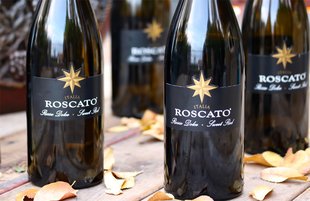
Roscato Sweet Red Wine: 3 Styles, Taste, ABV & Best Bottles (2026)
Quick answer: Roscato sweet red wines are an Italian range of lightly sparkling, semi-sweet reds from northern Italy produced under the Cavit cooperative. Roscato Rosso Dolce and Roscato Gold are 7% ABV; Roscato Sparkling Sweet Red is 10% ABV. Current prices range from approximately $9–$14 per 750ml bottle.
Roscato sweet red wines are one of the most approachable Italian wine styles available in the US market. They hit a very specific sweet spot: sweet enough to appeal to drinkers who find dry red wine too tannic or bitter, light enough in alcohol to drink over a long evening, and just fizzy enough to feel celebratory without being as formal as Champagne. They're also genuinely affordable — all three styles come in under $15.
This guide covers all three Roscato sweet red wine styles in detail, their tasting notes, the grape varieties behind each, food pairings, how much alcohol they contain, and how they compare to other Italian sweet reds.
Further reading
- Expand your knowledge of Italian Red Wines And The Beautiful Wine Regions Of Italy.
- If you’re interested in less sweeter wines, check out this guide on Dry Red Wines.
What Is Roscato Wine?
Roscato is a brand of wine produced under the umbrella of Cavit — a major Italian wine cooperative headquartered in the Trentino region of northeastern Italy. Cavit brings together 11 associated wineries and over 5,250 winegrowers across the Trentino-Alto Adige and surrounding territories, making it one of the largest wine cooperatives in Italy.
The Roscato range covers not only sweet red blends but also Prosecco, Moscato, a Bianco Dolce, and the fuller-bodied Roscato Smooth and Roscato Dark styles for those who prefer bolder flavours. The sweet red range is what Roscato is best known for internationally, particularly in the US market where it has built a devoted following among casual wine drinkers.
Is Roscato the same as Moscato? No. These are often confused because both are light, sweet Italian wines. Moscato is a white wine made from the Muscat grape variety, while Roscato is a brand name — its wines are red blends made from indigenous Italian grapes. Roscato is also lightly sparkling (frizzante) rather than still or fully sparkling like most Moscato.
The 3 Roscato Sweet Red Wine Styles
| Style | Region | ABV | Sweetness | Sparkle |
Price (~2026) |
|---|---|---|---|---|---|
| Roscato Rosso Dolce | Lombardy (Provincia di Pavia IGT) | 7% | Semi-sweet | Lightly sparkling (frizzante) | ~$12–14 |
| Roscato Gold Rosso Dolce | Trevenezie IGT | 7% | Semi-sweet | Light fizz | ~$12–14 |
| Roscato Sparkling Sweet Red | Northern Italy (Vino Spumante Rosso Dolce) | 10% | Semi-sweet to sweet | Fully sparkling (spumante) | ~$9–12 |
1. Roscato Rosso Dolce — The Flagship
When most people say 'Roscato sweet red wine', they mean the Roscato Rosso Dolce from the northern Italian region of Pavia, in Lombardy. This is a violet-hued, lightly sparkling red wine with a delicately sweet profile — sweet enough to notice immediately, but with enough acidity to keep it from feeling heavy or cloying.
The Grapes
Roscato Rosso Dolce is made from a blend of three indigenous Italian grape varieties, each contributing a distinct quality to the wine:
- Creates beautiful fruity and floral aromatic notes — the primary source of the wine's red berry character and violet colour
- A grape native to Trentino-Alto Adige; provides structure and a deep, vibrant colour that distinguishes Roscato from lighter frizzante reds
- Also native to Alto Adige; lends a lushly textured palate and a softness that makes the wine feel rounded rather than sharp
Tasting Notes
On the nose: intense aromas of ripe wild berries, red berries, blackberries, and violet. On the palate: semi-sweet entry with fresh cherry, raspberry, and rhubarb, balanced by bright natural acidity. The light carbonation adds lift and freshness. The finish is soft and lingering, with a gentle sweetness that fades cleanly.
The wine won a Gold medal at the San Francisco International Wine Competition for the 2011 vintage and a Silver at the Critics Challenge Wine Competition for the 2010 vintage — recognition that its quality is genuine, not just marketing.
Best Current Bottles
Roscato Rosso Dolce (current NV release), Provincia di Pavia IGT, Lombardy (~$12–14): The current non-vintage release maintains the wine's signature profile — wild berries, licorice, and jam on the nose, with cherry and rhubarb on a light, sweet, gently sparkling palate. Serve lightly chilled (55–58°F / 13–14°C) for maximum freshness.
2. Roscato Gold Rosso Dolce — The Premium Expression
The Roscato Gold is made from a blend of native and international grape varieties grown in the Trevenezie IGT region — a broad appellation covering parts of Veneto, Trentino-Alto Adige, and Friuli-Venezia Giulia. It has a slight additional fizz compared to the Rosso Dolce, and the expanded grape palette gives it a marginally more complex aromatic profile.
Tasting Notes
The Gold shows a pale ruby-red colour with delicate aromas and varied notes of violet, red cherry, and spice. It is fresh and lively on the palate — slightly fuller-bodied than the Rosso Dolce — with a persistent finish. The smoothness and crispness make it an ideal complement to classic Italian dishes or spicier fare.
Best Current Bottle
Roscato Gold Rosso Dolce, Trevenezie IGT (~$12–14): The current release of the Gold maintains the violet and red cherry aromatics with a rounder, slightly fuller palate than the standard Rosso Dolce. A good upgrade for those who enjoy the core Roscato style but want a touch more complexity.
3. Roscato Sparkling Sweet Red — The Bubbly Version
This is the fully sparkling (spumante) member of the Roscato family, produced under the Vino Spumante Rosso Dolce appellation. Unlike the lightly fizzy frizzante of the Rosso Dolce and Gold, the Sparkling Sweet Red has full Champagne-style effervescence — lots of persistent bubbles in the glass.
At 10% ABV it is the strongest of the three styles and has slightly less residual sugar than the Rosso Dolce or Gold, making it the driest-tasting of the range despite its 'sweet' label.
Tasting Notes
Ruby red colour with aromas of red fruit and rose petals, accompanied by a smooth, luscious palate with red berry and light floral notes. The full carbonation adds energy and lift. Serve well-chilled (43–50°F / 6–10°C) as an aperitif or light dessert wine.
Best Current Bottle
Roscato Sparkling Sweet Red, Lombardy (~$9–12): Excellent value for a fully sparkling sweet red. The effervescence makes it feel more celebratory than the frizzante styles — good for aperitif occasions, casual parties, and anyone who wants the Roscato flavour profile in a more active, bubbly format.
Roscato Wine Calories and Nutrition
Roscato's low ABV means it has fewer alcohol-derived calories than most table wines. Here is the approximate nutritional breakdown per 5 oz glass:
| Style | ABV |
Calories per 5 oz Glass |
Carbs per Glass |
Residual Sugar |
|---|---|---|---|---|
| Roscato Rosso Dolce | 7% | ~95–105 cal | ~8–12g | Semi-sweet (~30–50 g/L RS) |
| Roscato Gold Rosso Dolce | 7% | ~95–105 cal | ~8–12g | Semi-sweet (~30–50 g/L RS) |
| Roscato Sparkling Sweet Red | 10% | ~110–120 cal | ~6–10g | Semi-sweet (less sugar than above) |
For comparison, a standard glass of dry Cabernet Sauvignon at 13.5% ABV contains approximately 122–128 calories. Roscato's lower alcohol content makes the Rosso Dolce and Gold meaningfully lighter in total alcohol calories, even though the sugar content adds some carbohydrate calories.
Food Pairing for Roscato Sweet Red Wine
Roscato sweet red wines are versatile food companions. Their key pairing principle: the residual sweetness complements salt and tames spice. This makes them especially good with:
|
Food Category | Best Matches | Why It Works |
|---|---|---|
| Italian classics | Pizza, tomato-based pasta, charcuterie board, prosciutto e melone | Sweetness plays off saltiness; acidity cuts through fat |
| Spicy cuisine | BBQ ribs, spicy arrabbiata, mild curry, Mexican dishes | Residual sugar tames heat beautifully |
| Cheese | Soft creamy cheeses (Brie, Camembert), mild blue cheese, burrata | Sweetness bridges savoury richness |
| Desserts (light) | Chocolate cake, fresh berries, panna cotta, tiramisu | Match sweetness to sweetness — don't go sweeter than the wine |
| As aperitif | Olive tapenade, light canapés, salumi | Low ABV and lightness make it ideal as a pre-meal drink |
Serving tip: Roscato sweet reds are best served lightly chilled rather than at room temperature. Aim for 55–60°F (13–15°C) for the frizzante styles and slightly colder (50–55°F / 10–13°C) for the fully sparkling version. Cold temperatures keep the sweetness from feeling heavy and preserve the wine's natural freshness.
Where to Buy Roscato Wine
Roscato wines are among the most widely distributed Italian wines in the US market. You can find them at:
- Major grocery store wine sections (Kroger, Whole Foods, Total Wine)
- BevMo, Total Wine & More, and other specialist wine retailers
- Online wine merchants including wine.com, Vivino marketplace, and Drizly
- Most liquor stores with a reasonable Italian wine selection
The Roscato range is generally priced at $9–$14 for 750ml bottles — making it one of the most accessible Italian wine brands on the market. For bulk occasions or parties, Roscato wines are also available in larger format bottles at most stockists.
Roscato vs. Other Italian Sweet Reds
| Wine | Style | ABV | Price |
Best Comparison |
|---|---|---|---|---|
| Roscato Rosso Dolce | Frizzante, semi-sweet | 7% | ~$12–14 | The benchmark for this style |
| Lambrusco Amabile (Cleto Chiarli) | Frizzante, semi-sweet | 8–9% | ~$12–18 | More complex, terroir-driven — step up from Roscato |
| Brachetto d'Acqui (Banfi Rosa Regale) | Sparkling, sweet | 7% | ~$20 | More aromatic, rose petal and strawberry, DOCG quality |
| Stella Rosa Rosso | Frizzante, semi-sweet | 5.5% | ~$12 | Even lighter; slightly sweeter; broader US distribution |
| Recioto della Valpolicella | Still, very sweet | 12–14% | ~$35–60 |
Premium step-up; concentrated dried fruit; no fizz; investment-grade at top end |
For drinkers who enjoy Roscato and want to explore the broader world of Italian sweet reds, Lambrusco from Emilia-Romagna is the natural next step — it offers more regional character and winemaking diversity while staying in the frizzante, semi-sweet style that makes Roscato so appealing. At the premium end, Recioto della Valpolicella from Veneto is the most serious and age-worthy Italian sweet red, and an increasingly interesting collector's item.
Frequently Asked Questions
What does Roscato sweet red wine taste like?
Roscato Rosso Dolce tastes of ripe wild berries, red cherry, and raspberry with a touch of licorice and jam. It is semi-sweet, lightly sparkling, and finishes softly with gentle sweetness. The low alcohol (7% ABV) makes it feel light and refreshing rather than heavy.
How much alcohol is in Roscato wine?
Roscato Rosso Dolce and Roscato Gold both contain 7% ABV — significantly lower than most table wines (12–14%). Roscato Sparkling Sweet Red contains 10% ABV. This low alcohol content is why Roscato feels lighter and more refreshing than comparable red wines.
Is Roscato wine good?
For its intended purpose — accessible, approachable, lightly sweet Italian red wine at a budget-friendly price — Roscato is genuinely good. It won a Gold medal at the San Francisco International Wine Competition. It is not a complex wine for serious collectors, but it delivers consistent pleasure for casual drinking and is excellent value at $12–14.
How much does Roscato wine cost?
Roscato wines typically retail for $9–14 per 750ml bottle in the US, depending on style and retailer. The Sparkling Sweet Red is usually the most affordable at $9–12; the Rosso Dolce and Gold typically run $12–14.
Is Roscato similar to Lambrusco?
Yes — both are lightly sparkling (frizzante), semi-sweet Italian red wines with low alcohol and fresh red berry flavours. The key difference is appellation and grape variety: authentic Lambrusco is made from the Lambrusco grape family in Emilia-Romagna with strict DOC rules, while Roscato is a brand blend made from Croatina, Teroldego, and Lagrein in Lombardy and Trevenezie. Lambrusco from serious producers tends to have more terroir character; Roscato is more consistent and commercial.
Last updated: June 2026 | Vinovest editorial team | Data sourced from Cavit, Wine-Searcher, and the original Vinovest Roscato guide