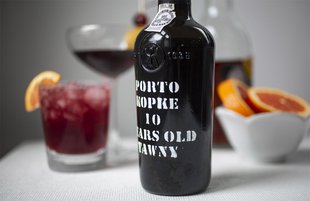
Port Wine Alcohol Content: Complete Guide to ABV by Style
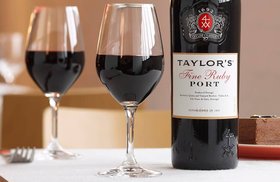
Quick answer: Port wine typically contains 19–22% ABV — about 1.5× stronger than a standard table wine. Ruby Port and LBV Port average 20% ABV. Tawny Port averages 19.5–20% ABV. White Port ranges from 16.5–20% ABV. Vintage Port is typically 19.5–21% ABV.
Understanding Port wine's alcohol content is essential for anyone exploring this prestigious fortified wine from Portugal's Douro Valley. Whether you're selecting a bottle for your collection, planning food pairings, managing your intake, or curious about what makes Port so different from regular wine, knowing the ABV helps you appreciate and serve it properly.
This guide covers the alcohol content across all major Port styles, explains exactly why Port is so much stronger than table wine, provides practical serving size guidance, bottle recommendations at every price point, and the investment case for Vintage Port.
Further reading
- Curious if sweet wines age well? Find out that and more in this Sweet Wine Guide.
- Find the perfect Port Wine for your romantic evening.
Why Port Has Higher Alcohol Content
Port wine's elevated alcohol content comes from a process called fortification. During production, winemakers add a neutral grape spirit called aguardente to the fermenting wine. This spirit is approximately 77% alcohol by volume and serves two crucial purposes:
- The high-alcohol spirit kills the yeast, halting fermentation and preserving natural grape sugars — which is why Port is both strong and sweet
- The addition of spirit increases the wine's total alcohol percentage from the typical 7–9% at point of fortification up to 19–22% ABV in the finished wine
The timing of fortification is critical. Port producers add the spirit when roughly half the grape sugar has fermented — when the wine reaches approximately 7–9% alcohol. This is why Port retains its characteristic sweetness while achieving its higher alcohol content. The wine and grape spirit are mixed in a ratio of roughly 4:1 (80% wine to 20% spirit).
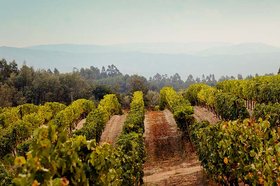
Grapes are grown in the Douro Valley, a UNESCO World Heritage Site about 80–100km east of Porto. The valley's schist soil, extreme summer heat, and unique microclimate of terraced hillsides create concentrated, powerful fruit that can sustain the fortification process. Many houses still use traditional stone troughs (lagares) where the grapes are crushed by foot for gentle extraction before fermentation begins.
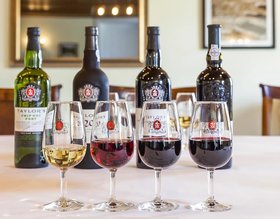
Port Wine Alcohol Content by Style: Complete ABV Chart
| Port Style | ABV Range | Typical ABV | Sweetness | Character |
|---|---|---|---|---|
| Ruby Port | 19–21% | ~20% | High | Deep purple; fresh blackberry, cherry, dark chocolate |
| Reserve Ruby Port | 19.5–20.5% | ~20% | High | Premium Ruby; better fruit, more complexity |
| Crusted Port | 19.5–20.5% | ~20% | High | Unfiltered; sediment forms; similar style to Vintage |
| Late Bottled Vintage (LBV) | 19.5–21% | ~20% | High | Single year; 4–6 years in barrel before bottling |
| Tawny Port (standard) | 19–20% | ~19.5% | Medium-high | Barrel-aged; nutty, caramel, dried fruit notes |
| Tawny 10 Year Old | 19.5–20.5% | ~20% | High | Smooth, nutty; best starting point for newcomers |
| Tawny 20 Year Old | 19.5–20.5% | ~20% | High | More complex; caramel, orange peel, hazelnut |
| Tawny 30 Year Old | 19.5–20.5% | ~20% | High | Richer, sweeter, more unctuous texture |
| Tawny 40 Year Old | 19.5–20% | ~19.5% | High | Extraordinary depth; collector-grade |
| Colheita | 19.5–20% | ~20% | High | Single vintage Tawny; minimum 7 years in barrel |
| White Port (dry) | 16.5–19% | ~17% | Dry to off-dry | Pale golden; aperitif style; almonds, citrus |
| White Port (sweet) | 19–20% | ~19.5% | Sweet | Honeyed, floral; dessert occasions |
| Rosé Port | 19–20% | ~19.5% | Medium-high | Light pink; strawberry, redcurrant; first made 2008 |
| Single Quinta Vintage | 19.5–21% | ~20% | High | Single estate; similar to Vintage but annual |
| Vintage Port | 19.5–21% | ~20% | High |
The pinnacle; declared in exceptional years only; ages 30–50+ years |
Note: Most major producers (Taylor's, Graham's, Quinta das Carvalhas, Calém, Porto Cruz) make Port at 19.5–20% ABV. While the legal range extends to 22%, you will rarely encounter Port above 21% in commercial bottlings. The standard is 20%.
Port Wine vs Regular Wine: Alcohol Content Comparison
| Wine Type | Typical ABV |
Standard Serving |
Approximate Alcohol per Serving |
|---|---|---|---|
| Port Wine (all styles) | 19–22% | 3 oz (88ml) | ~18–21g |
| Fortified Sherry (Oloroso) | 17–22% | 3 oz (88ml) | ~16–21g |
| Madeira | 18–22% | 3 oz (88ml) | ~17–21g |
| Full-bodied red wine (Cab, Shiraz) | 13.5–15.5% | 5 oz (148ml) | ~17–20g |
| Standard red wine (Merlot, Pinot Noir) | 12–14% | 5 oz (148ml) | ~14–18g |
| Standard white wine (Chardonnay) | 12–13.5% | 5 oz (148ml) | ~14–17g |
| Prosecco / Champagne (Brut) | 11–12.5% | 5 oz (148ml) | ~12–15g |
| Light beer | 4–5% | 12 oz (355ml) | ~12–15g |
KEY TAKEAWAY: A 3 oz serving of Port contains approximately the same amount of alcohol as a standard 5 oz glass of regular wine. The smaller pour compensates for Port's higher alcohol percentage — this is why Port is traditionally served in smaller 2–3 oz portions.
Does Port Wine Change Alcohol Content as It Ages?
No — the alcohol content of Port wine remains stable during aging. While evaporation can occur in barrel-aged Ports like Tawny (reducing the volume of wine in the barrel over decades), the alcohol percentage itself stays consistent. What changes dramatically during aging are the flavors, color, and aromatic complexity — not the ABV.
Young Ruby Port (deep purple, fresh fruit) and a 40-Year Tawny (amber-golden, nutty, dried fruit) both contain approximately 19.5–20% ABV, despite tasting like completely different wines. The transformation is purely stylistic — driven by oxidation in barrel — not alcoholic.
Port Wine Serving Size Guide
Due to its higher alcohol content, Port wine requires smaller serving sizes than regular wine. Understanding proper portions ensures responsible and enjoyable drinking:
| Port Style |
Recommended Pour | Glass Type |
Serving Temperature |
|---|---|---|---|
| Ruby Port (standard) | 2.5–3 oz (75–88ml) | Port glass or white wine glass | Slightly chilled: 55–65°F (13–18°C) |
| Tawny Port (10–20 year) | 2.5–3 oz (75–88ml) | Port glass | Lightly chilled: 55–58°F (13–14°C) |
| Tawny Port (30–40 year) | 2–3 oz (60–88ml) | Port glass | 55–60°F (13–15°C) — serve cool |
| White Port (dry) | 3 oz over ice with tonic | Long glass / highball | Well chilled or over ice |
| LBV Port | 2.5–3 oz (75–88ml) | Port or wine glass | Slightly chilled: 55–65°F (13–18°C) |
| Vintage Port | 2–2.5 oz (60–75ml) | Large wine glass | Cellar temperature: ~65°F (18°C); decant 1–2 hours |
Food Pairing Guide by Port Style
Tawny Port (19.5% ABV)
- Nuts and nut-based desserts: pecan pie, almond tarts, biscotti
- Caramel and butterscotch desserts; crème brûlée; Portuguese pastéis de nata
- Aged hard cheeses: Manchego, aged Gouda, Pecorino
- Apple-based desserts: tarte Tatin
- Dried fruits: dates, figs, apricots
Ruby Port (20% ABV)
- Dark chocolate in all forms — one of the classic wine-food pairings in gastronomy
- Berry-based desserts: cherry clafoutis, raspberry tart
- Blue cheeses: Stilton, Roquefort, Gorgonzola
- Rich chocolate truffles, chocolate cake, brownies
White Port (16.5–20% ABV)
- Classic Portuguese aperitif: White Port and Tonic with a slice of orange
- Almonds, salted nuts, olives
- Light seafood canapés
- Fresh fruit and sorbet
LBV Port (20% ABV)
- Dark chocolate mousse, molten chocolate cake
- Stilton and walnuts
- Rich meat dishes: duck, venison
- Sheeps' milk cheeses: Queijo da Serra
Vintage Port (19.5–21% ABV)
- Strong blue cheeses: Stilton, Roquefort — the pinnacle pairing
- Dark chocolate and walnuts
- Dried figs, dried fruit and nut selections
- Best savoured alone or with the simplest accompaniments — do not mask the wine's complexity
2026 cocktail note: Bartenders are increasingly mixing younger Ruby Port into Negroni riffs (substituting for sweet vermouth) and aged Tawny Port into stirred Manhattans. The fortified wine cocktail renaissance is real — White Port and Tonic with citrus is increasingly found on summer menus as an aperitif.
Recommended Port Wine Bottles by Style (2026)
Best Tawny Ports
| Bottle | Age / Style | Price | ABV | Notes |
|---|---|---|---|---|
| Taylor's 10 Year Tawny | 10 Year Old | $30–35 | 20% |
Exceptional complexity; butterscotch, dried apricot, toasted almonds |
| Graham's 20 Year Tawny | 20 Year Old | $50–60 | 20% | Elegant caramel, orange peel, hazelnut layers |
| Ramos Pinto 20 Year Tawny | 20 Year Old | $55–65 | 20% | Consistently excellent; nutty and refined |
| Quinta do Noval 40 Year Tawny | 40 Year Old | $150–180 | 19.5% | Collector-grade; extraordinary depth and length |
Best Ruby Ports
| Bottle | Style | Price | ABV | Notes |
|---|---|---|---|---|
| Fonseca Bin 27 | Reserve Ruby | $15–18 | 20% | Outstanding value; rich berry fruit, chocolate notes |
| Warre's Heritage Ruby | Ruby | $12–15 | 19.5% | Fresh, vibrant; excellent entry-level choice |
| Graham's Six Grapes Reserve Ruby | Reserve Ruby | $18–25 | 20% | Reliable benchmark; strong Vinovest portfolio wine |
| Sandeman Founder's Reserve | Reserve Ruby | $15–20 | 20% | Smooth and approachable; plum and spice |
Best LBV Ports
| Bottle | Vintage | Price | ABV | Notes |
|---|---|---|---|---|
| Graham's LBV 2018 | 2018 | $22–28 | 20% | Rich blackberry, chocolate, and violet |
| Taylor's LBV | Various | $25–30 | 20% | Classic structure; dark fruit and spice |
| Quinta do Vesuvio LBV | Various | $30–35 | 20% | Single estate quality at LBV pricing |
| Quinta do Crasto LBV | Various | $22–30 | 20% | Unfiltered style; benefits from brief decanting |
Best Vintage Ports — Investment Grade
| Bottle | Vintage | Price | ABV | Notes |
|---|---|---|---|---|
| Taylor's Vintage Port 2017 | 2017 (declared) | $90–120 | 20% | Outstanding declared year; needs 20+ years cellaring |
| Graham's Vintage Port 2017 | 2017 (declared) | $80–100 | 20% | Strong investment potential; structured and elegant |
| Fonseca Vintage Port 2016 | 2016 (declared) | $85–100 | 20.5% | Rich, concentrated; excellent aging potential |
| Dow's Vintage Port 2016 | 2016 (declared) | $75–95 | 20% | Classic drier style; structured and elegant |
| Quinta do Noval Nacional 2017 | 2017 (declared) | $400–600 | 20% | The most prestigious single quinta; extremely limited |
Port Wine as a Fine Wine Investment
Vintage Port from leading shippers is genuinely investment-grade. It is declared only in exceptional years — typically three or four times per decade — which means each declared vintage is scarce by design. The finest examples from Graham's, Fonseca, Taylor Fladgate, Quinta do Noval Nacional, and Ramos Pinto have shown consistent long-term price appreciation.
The 2011 and 2017 declared vintages are the strongest current investment candidates at accessible prices ($80–120 per bottle) with decades of aging potential. Older declared vintages from great years (1963, 1970, 1977, 1994) trade regularly at Sotheby's and Christie's.
Port benefits from the same investment dynamics as Grand Cru Burgundy and First Growth Bordeaux: permanent scarcity, extraordinary aging potential, and global collector demand.
Frequently Asked Questions
What percentage alcohol is in Port wine?
Port wine typically contains 19–22% ABV. The exact percentage varies by style: Ruby and LBV Ports are usually 20% ABV, Tawny Ports average 19.5–20% ABV, and White Ports range from 16.5–20% ABV depending on whether they are dry or sweet.
Why is Port wine stronger than regular wine?
Port is stronger because it is a fortified wine. During production, grape spirit (aguardente) at approximately 77% ABV is added to the fermenting wine when about half the sugar has converted to alcohol. This kills the yeast, stops fermentation, locks in natural grape sweetness, and raises the alcohol level from around 7–9% at point of fortification to 19–22% in the finished wine.
How many standard drinks are in a bottle of Port?
A standard 750ml bottle of Port contains approximately 10–12 standard servings based on 2–3 oz pours. Due to Port's higher alcohol content, each 3 oz serving equals roughly one standard drink (approximately 14g of pure alcohol) — the same as a standard 5 oz glass of regular wine.
Does Port wine have more alcohol than Sherry?
Port and Sherry have similar alcohol ranges since both are fortified wines. Port typically ranges 19–22% ABV, while Sherry ranges 15–22% ABV. Lighter Sherry styles (Fino, Manzanilla, biologically aged under flor yeast) sit at 15–17% — noticeably lighter than Port. Cream Sherries and Oloroso match Port's levels at 17–22%.
How long does Port wine last after opening?
Ruby and younger styles (Reserve Ruby, LBV) last 1–2 weeks once opened, stored in the refrigerator with the cork replaced. Well-aged Tawny can stretch a month or more in the fridge — the extended barrel aging has already exposed the wine to some oxidation, making it more resilient. Vintage Port is best enjoyed within a couple of days after decanting — the concentrated fruit is at peak expression immediately after opening and fades quickly.
How should Port wine be served?
In a Port wine glass or standard white wine glass — smaller than a red wine glass. Serve Ruby and LBV slightly chilled (55–65°F / 13–18°C). Serve Tawny cool (55–58°F / 13–14°C). Vintage Port at cellar temperature (~65°F / 18°C), decanted 1–2 hours before serving. White Port works best well-chilled over ice with tonic water and a citrus slice.
Last updated: May 2026 | Vinovest editorial team | ABV data sourced from Wikipedia, The Wine Chef, Sure Wine Not, Trading Grapes, and the original Vinovest Port wine alcohol content guide