Dry Red Wine: Complete Guide to Types, Taste & Best Bottles (2026)
Quick answer: A dry red wine is a red wine with little to no residual sugar — typically less than 4g per 5 oz glass. This means it tastes savoury and complex, not sweet. Cabernet Sauvignon, Pinot Noir, Merlot, Sangiovese, and Syrah are all dry red wines. Most red wine is dry by default.
If you are new to red wine and wondering what 'dry' actually means — or if you have been drinking red wine for years and want a clearer framework for choosing bottles — this guide covers everything. What makes a red wine dry, the main types and their flavour profiles, how to pair them with food, which bottles are worth buying in 2026, and how the driest wines relate to health and calorie-conscious drinking.
Further reading
- Check out our detailed Red Wine Guide covering different red wine types, the best bottles to buy, and more.
- While at it, be sure not to miss these Luscious German Red Wines.
- Also, discover the best types of Dry White Wine Bottles for cooking and drinking, such as Sauvignon Blanc, Pinot Gris, and more.
What Does 'Dry' Mean in Red Wine?
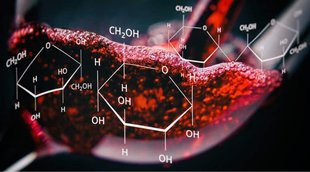
'Dry' refers to residual sugar — the amount of grape sugar that remains in the wine after fermentation is complete. During fermentation, yeast converts grape sugars into alcohol. In a fully fermented 'dry' wine, nearly all of the sugar has been converted, leaving little to no sweetness.
Technically, a wine is dry if it contains less than 4g of residual sugar per litre (g/L). In practical terms, the human palate cannot reliably detect sweetness below about 5–8 g/L, so a wine at 3g/L will taste indistinguishable from a wine at 0g/L to most drinkers.
Key distinction: 'Dry' refers to the absence of sweetness, not to the texture, tannin level, or how the wine feels in your mouth. A Barolo can be completely dry yet feel full and rich on the palate. A Beaujolais Nouveau can be bone dry yet taste fruity and light.
| Category |
Residual Sugar |
Taste Perception |
|---|---|---|
| Bone dry | 0–2 g/L | No sweetness whatsoever — purely savoury, tannic, or acidic |
| Dry | 2–4 g/L | No perceptible sweetness to most palates |
| Off-dry | 4–12 g/L | Subtle hint of sweetness, especially detectable at higher acidity |
| Semi-sweet | 12–45 g/L | Clear, pleasant sweetness — like some Rieslings and Lambrusco |
| Sweet | 45+ g/L | Noticeably sweet — dessert wines, Port, Sauternes |
The 8 Most Important Dry Red Wine Types
1. Cabernet Sauvignon — Full-Bodied, Firm, Age-Worthy
ABV: 13.5–15% | Residual Sugar: 0–2 g/L | Tannin: High | Key Regions: Napa Valley, Bordeaux Left Bank, Chile, Australia
Cabernet Sauvignon is the world's most planted red grape variety and the backbone of many of the world's most celebrated wines — including Bordeaux First Growths and Napa Valley cult cabernets. The wine is characterised by deep colour, firm tannins, and flavours of blackcurrant, blackberry, cedar, and graphite. Oak aging adds vanilla, tobacco, and mocha notes.
Because of its high tannin, young Cabernet Sauvignon can feel astringent without food. It is at its best paired with rich proteins — grilled ribeye, lamb, aged cheddar — that soften the tannins. Premium Cabernet ages remarkably well: great Napa or Bordeaux vintages improve for 20–40 years.
Best 2026 bottles: Jordan Cabernet Sauvignon (Sonoma, ~$55), Catena Zapata Adrianna (Mendoza, ~$120), Château Léoville-Barton (Bordeaux, ~$80)
2. Pinot Noir — Light-Bodied, Elegant, Versatile
ABV: 12–14% | Residual Sugar: 0–3 g/L | Tannin: Low-Medium | Key Regions: Burgundy, Oregon, New Zealand, California
Pinot Noir is one of the most nuanced grapes in the world — and one of the most demanding to grow well. At its best (Burgundy Grand Cru, Willamette Valley, Central Otago), it produces wines of extraordinary complexity: fresh cherry, raspberry, rose petal, forest floor, and earthy mushroom notes, with silky tannins and bright acidity.
Unlike Cabernet, Pinot Noir is relatively low in tannin, making it accessible even when young and pairable with a wide range of foods — from roasted chicken to salmon to mushroom risotto. It is the red wine of choice for drinkers who want complexity without the grip of high-tannin varieties.
Best 2026 bottles: A to Z Wineworks Oregon Pinot Noir (~$20), Domaine Drouhin Oregon (~$40), Felton Road Bannockburn (Central Otago, ~$50)
3. Merlot — Medium-Bodied, Soft, Food-Friendly
ABV: 13–15% | Residual Sugar: 0–3 g/L | Tannin: Low-Medium | Key Regions: Bordeaux Right Bank, Chile, Washington State, California
Merlot is one of the most approachable dry reds — naturally lower in tannin than Cabernet Sauvignon, with plum, black cherry, and chocolate flavour notes. It is the dominant grape in some of Bordeaux's most celebrated wines (Pétrus, Le Pin) and produces reliably excellent value in Chile and Washington State.
Merlot's relative softness makes it one of the most beginner-friendly dry reds available. It pairs well with almost any savoury dish — roast chicken, pasta with tomato sauce, pizza, casual red meats. For more advanced bottles from Right Bank Bordeaux, it develops extraordinary complexity.
Best 2026 bottles: Duckhorn Napa Valley Merlot (~$45), Luis Cañas Rioja Reserva (~$20), Château Pétrus (investment-grade, ~$4,000+)
4. Syrah / Shiraz — Spicy, Bold, Deeply Coloured
ABV: 13.5–16% | Residual Sugar: 0–2 g/L | Tannin: Medium-High | Key Regions: Rhône Valley, Barossa Valley, Paso Robles
Syrah (the French name) and Shiraz (the Australian name) are the same grape — but the wines taste quite different depending on where they are grown. Northern Rhône Syrah (Hermitage, Côte-Rôtie) is elegant and peppery with black olive and violets. Australian Shiraz from the Barossa is powerful, jammy, and dark-fruited, reaching 15–16% ABV. California Syrah sits somewhere between.
The Rhône was the top-performing investment wine region of 2025. Hermitage La Chapelle from Paul Jaboulet and Hermitage from Jean-Louis Chave are benchmark investment-grade Syrah.
Best 2026 bottles: Two Hands Angels Share Shiraz (Barossa, ~$25), Guigal Côtes du Rhône (~$15), Delas Saint-Esprit (~$18)
5. Sangiovese — Acidic, Savoury, Food-Driven
ABV: 12.5–14.5% | Residual Sugar: 0–2 g/L | Tannin: Medium-High | Key Regions: Tuscany (Chianti, Brunello), Romagna
Sangiovese is Italy's most planted grape and the backbone of Chianti, Brunello di Montalcino, and Vino Nobile di Montepulciano. It is characterised by high acidity, medium-high tannin, and flavours of sour cherry, tomato leaf, dried herbs, and a leathery, earthy quality. It is the quintessential Italian food wine.
The Brunello di Montalcino 2021 vintage — widely regarded as one of the decade's finest — began its official release in January 2026. For investment, top producers (Biondi-Santi, Gianfranco Soldera, Il Marroneto) produce some of Italy's most collectible wines.
Best 2026 bottles: Banfi Chianti Classico Riserva (~$20), Antinori Pèppoli (~$20), Castello Banfi Brunello di Montalcino (~$65)
6. Tempranillo / Rioja — Structured, Oaky, Versatile
ABV: 13–14.5% | Residual Sugar: 0–2 g/L | Tannin: Medium | Key Regions: Rioja, Ribera del Duero, Toro (Spain)
Tempranillo is Spain's signature red grape and one of the world's great varieties. In Rioja, extended oak aging (Crianza, Reserva, Gran Reserva) adds vanilla, dill, and spice notes to the grape's natural cherry and plum character. Ribera del Duero Tempranillo (Tinto Fino) tends toward deeper, darker, more concentrated expressions. Both are excellent value and food-friendly.
Best 2026 bottles: Muga Rioja Reserva (~$22), CUNE Imperial Reserva (~$30), Pesquera Ribera del Duero Crianza (~$20)
7. Nebbiolo (Barolo / Barbaresco) — Powerful, Complex, Age-Defining
ABV: 13.5–15% | Residual Sugar: 0–2 g/L | Tannin: Very High | Key Region: Piedmont, Italy
Nebbiolo is one of the world's most demanding grapes to drink young — its soaring acidity and formidable tannin can make young Barolo feel severe. But with age, it transforms into something extraordinary: rose petals, tar, dried cherry, truffle, and leather, with decades of development potential. Barolo is often called the 'King of Italian Wines' and Barbaresco the 'Queen.'
For investment, producers like Gaja, Giacomo Conterno, Bruno Giacosa, and Bartolo Mascarello produce benchmark collectibles. Barolo 2016, 2019, and 2021 are excellent investment vintages.
8. Malbec — Fruit-Forward, Accessible, Value Leader
ABV: 13.5–15% | Residual Sugar: 0–3 g/L | Tannin: Medium | Key Regions: Mendoza (Argentina), Cahors (France)
Argentine Malbec has become one of the world's go-to everyday red wines — rich plum and blackberry fruit, velvety texture, and soft tannins that make it approachable even young. At $12–20, it delivers exceptional quality for the price. At the prestige end, Catena Zapata's single-vineyard Adrianna Vineyard Malbec competes with the world's finest reds.
Dry Red Wine Sweetness Scale: From Bone Dry to Off-Dry
| Wine |
Residual Sugar | Tannin | Acidity |
Best Description |
|---|---|---|---|---|
| Barolo / Nebbiolo | 0–2 g/L | Very High | High | Bone dry, austere when young, profound with age |
| Cabernet Sauvignon | 0–2 g/L | High | Medium-High | Dry, structured, blackcurrant and cedar |
| Sangiovese / Chianti | 0–3 g/L | Medium-High | High | Dry, tangy, cherry and leather |
| Syrah / Hermitage | 0–2 g/L | Medium-High | Medium | Dry, spicy, dark fruit and pepper |
| Tempranillo / Rioja | 0–3 g/L | Medium | Medium | Dry, oaky, cherry and vanilla |
| Merlot | 0–3 g/L | Low-Medium | Medium | Dry, soft, plum and chocolate |
| Pinot Noir | 0–3 g/L | Low-Medium | Medium-High | Dry, silky, cherry and earth |
| Malbec (basic) | 0–3 g/L | Medium | Medium | Dry, fruit-forward, blackberry and violet |
Dry Red Wine Food Pairing Guide
The tannin in dry red wine is the key to food pairing. Tannins bind to proteins and fats, which is why high-tannin wines like Cabernet Sauvignon feel harsh on their own but silky when paired with a fatty steak. The protein in the food binds to the tannin, softening the wine.
| Wine |
Best Food Pairings |
Avoid Pairing With |
|---|---|---|
| Cabernet Sauvignon | Ribeye steak, lamb chops, aged cheddar, dark chocolate | Delicate fish, spicy dishes, light salads |
| Pinot Noir | Salmon, roast chicken, duck, mushroom risotto, Brie | Very rich beef, very spicy food |
| Merlot | Roast chicken, pork tenderloin, pasta, pizza, mild cheeses | Very tannic or bitter dishes |
| Sangiovese / Chianti | Tomato pasta, pizza, roast pork, antipasti, prosciutto | Very sweet sauces, shellfish |
| Syrah / Shiraz | Smoked ribs, peppered steak, black olive tapenade, game | Delicate fish, cream-based sauces |
| Tempranillo / Rioja | Lamb, tapas, chorizo, roasted vegetables, Manchego cheese | Strongly acidic dishes |
| Barolo / Nebbiolo | Truffle dishes, braised ossobuco, aged Parmigiano, venison | Light or delicate foods |
| Malbec | Grilled steak, beef empanadas, burgers, BBQ, cured meats | Light seafood, delicate white fish |
Dry Red Wine for Beginners: Where to Start
If you are new to dry red wine, the single most important piece of advice is: start with lower tannin varieties. High tannin is the characteristic most likely to make dry red wine feel harsh or bitter to an unaccustomed palate.
The recommended on-ramp in order of increasing tannin:
- Beaujolais (Gamay) — lowest tannin, bright cherry fruit, low alcohol. Almost no bitterness
- Pinot Noir — light tannin, silky texture, fruity and earthy
- Merlot — soft tannin, plum and chocolate, very food-friendly
- Malbec — medium tannin, dark fruit, slightly richer
- Syrah / Shiraz — medium-high tannin, spicy and bold
- Cabernet Sauvignon — high tannin, full-bodied, best with food
- Barolo / Nebbiolo — very high tannin, demanding young but extraordinary aged
Once you have found a style that works for your palate, explore within it: different regions, different vintages, different producers. The complexity within any single grape variety is essentially unlimited.
Dry Red Wine and Health
Dry red wines have minimal residual sugar — often less than 2g per glass — making them among the lowest-sugar alcoholic beverages. For health-conscious wine drinkers monitoring carbohydrate intake, the choice of dry over off-dry or sweet red wine is meaningful. A glass of bone-dry Cabernet Sauvignon contains approximately 3–4g of carbohydrates total; a glass of Lambrusco Dolce might contain 15–20g.
The antioxidants in red wine — particularly resveratrol from grape skins — are a subject of ongoing research. Dry reds typically contain more resveratrol than sweet wines because the longer maceration (skin contact) during fermentation of tannic red varieties extracts more of these compounds.
Investment-Grade Dry Reds
The world's most valuable wines are almost exclusively dry reds. Domaine de la Romanée-Conti (Pinot Noir), First Growth Bordeaux (Cabernet-dominant blends), Barolo from Gaja and Giacomo Conterno, Amarone from Dal Forno Romano and Quintarelli — these are the bottles that trade on Sotheby's, Christie's, and the Liv-ex fine wine market.
What they share: extreme scarcity, consistent critical acclaim, long cellaring potential, and global collector demand. These properties drive prices for decades, producing compound annual returns that have historically exceeded many financial benchmarks.
Vinovest provides managed access to investment-grade dry red wines across Burgundy, Bordeaux, Tuscany, and the Rhône — the four regions that dominate the fine wine investment market.
Frequently Asked Questions
Is red wine always dry?
Most red wine is dry, but not all. Sweet red wines exist — Lambrusco Dolce, Port, Red Moscato, and sweet blends like Stella Rosa are all red wines with significant residual sugar. The majority of table red wine (Cabernet, Pinot Noir, Merlot, etc.) is fully fermented to dryness, but sweetened blends are increasingly common in the commercial market.
How do I know if a red wine is dry?
The clearest signal is the grape variety and region. Cabernet Sauvignon, Pinot Noir, Merlot, Syrah, Sangiovese, Tempranillo, Nebbiolo, and Malbec are all dry by default in almost all commercially available forms. The ABV is also a signal: wines above 13% ABV are almost always fully fermented to dryness. Label terms like 'dry', 'Brut' (for sparkling), or 'Secco' (for Italian) confirm it explicitly.
What is the driest red wine?
Barolo (Nebbiolo), Amarone della Valpolicella, and Hermitage (Syrah) are among the driest with residual sugar consistently below 2 g/L. Most Cabernet Sauvignon and Sangiovese are also bone dry. The difference between 'driest' red wines at this level is academic — all are imperceptibly dry to any palate.
Is Merlot sweeter than Cabernet Sauvignon?
No — both are dry wines with comparable residual sugar levels (0–3 g/L). Merlot tastes softer and more approachable because it has lower tannin, not because it is sweeter. The perception of sweetness from ripe fruit flavours (plum, chocolate in Merlot) is a flavour compound effect, not actual residual sugar.
What dry red wine is best for beginners?
Beaujolais (Gamay), Pinot Noir, or Merlot. All three are dry but approachable: low in astringent tannin, fruit-forward, and food-friendly. A New Zealand or Oregon Pinot Noir around $20–25 is an excellent starting point — complex enough to develop your palate, but not challenging.
Last updated: May 2026 | Vinovest editorial team | Wine data sourced from Wine Folly, Vinito, Cellar Beast Winehouse, and WSJ Wine