How to Become a Wine Connoisseur: The Complete Guide to Wine Expertise and Collecting (2026)
What separates a casual wine drinker from a true wine connoisseur? It's not about memorizing every vintage or dropping French terms at dinner parties. Genuine wine expertise combines systematic knowledge, developed palate skills, and the confidence to explore the world's wines with curiosity rather than pretension.
Whether you're building a personal cellar, pursuing professional certification, or developing the expertise to invest wisely in fine wine, this guide covers everything you need to know to develop real wine connoisseurship in 2026.
Further reading
- Want to get started in the world of fine wine investment? Check out our complete guide on Investing in Wine.
- Try some of the best Red Sparkling Wine bottles, or go for some of these Most Expensive Wines.
What is a Wine Connoisseur?
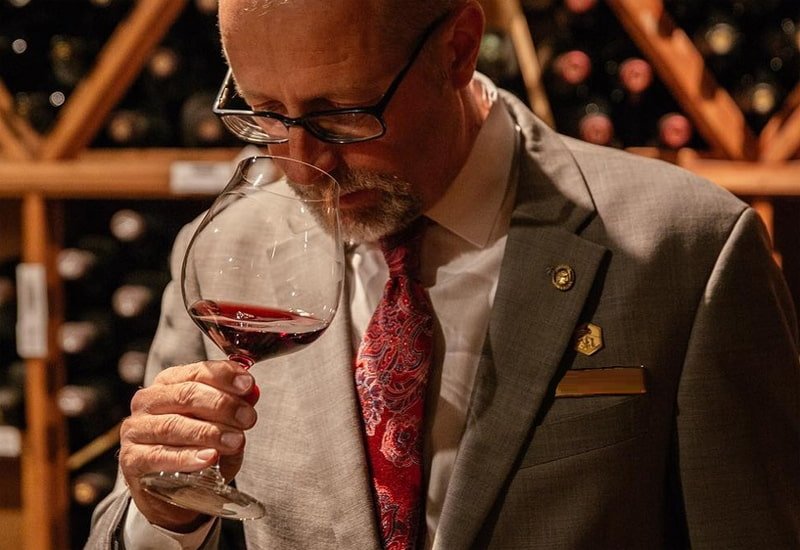
A wine connoisseur is someone who possesses deep knowledge of wine and has developed the sensory skills to evaluate wine quality with accuracy and nuance. The word "connoisseur" comes from the Old French "connoistre" (to know), emphasizing knowledge as the foundation.
But knowledge alone isn't enough. True connoisseurship combines:
- Theoretical Understanding: Grape varieties, wine regions, winemaking techniques, and how these factors shape what ends up in your glass
- Sensory Development: A trained palate that can identify flavors, assess quality, and distinguish among wines
- Experience: Years of tasting across styles, regions, and price points builds an internal reference library
- Curiosity: The best connoisseurs never stop learning — wine evolves constantly
- Investment Acumen: Understanding which wines appreciate, why certain bottles command premiums, and how to build collections that grow in value
Unlike the term "sommelier" (which specifically describes wine professionals in hospitality settings), "connoisseur" applies to anyone with deep wine expertise — collectors, writers, educators, enthusiasts, investors, and professionals alike.
The Path to Wine Expertise: A Staged Approach
Stage 1: Foundation (0-2 Years)
Goals:
- Learn major grape varieties and their characteristics
- Understand key wine regions and their styles
- Develop basic tasting vocabulary
- Build systematic tasting habits
- Begin tracking what you taste
Activities:
- Taste regularly and take notes (aim for 3-5 wines weekly minimum)
- Read introductory wine books (Wine Folly, Windows on the World)
- Visit local wineries and tasting rooms
- Attend introductory tasting courses
- Start a tasting journal (paper or apps like Vivino, CellarTracker)
Benchmark: Can identify major varietals blind (Cabernet vs. Pinot Noir, Chardonnay vs. Sauvignon Blanc); understands New World vs. Old World style differences; comfortable ordering wine in restaurants
Investment Foundation: Learn to distinguish quality levels; understand why some wines cost $20 and others $200; begin recognizing producers mentioned in wine publications
Stage 2: Development (2-5 Years)
Goals:
- Deepen regional knowledge beyond the basics
- Understand vintage variation and its impact on quality
- Develop personal preferences while remaining open-minded
- Begin building a collection
- Start understanding investment-grade wine categories
Activities:
- WSET Level 2 or 3 certification (structured learning with credentials)
- Focused regional tastings (vertical Burgundy, Bordeaux comparison, California cult wines)
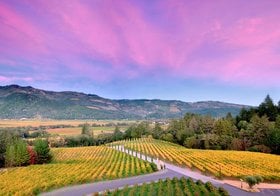
- Wine region travel (nothing replaces walking vineyards)
- Join tasting groups for shared exploration and calibration
- Begin attending wine auctions (observer mode) to understand market dynamics
Benchmark: Can discuss specific producers and vintages with knowledge; understands quality indicators within regions; developing personal cellar with purpose; can evaluate whether a wine is appropriately priced for its quality
Investment Advancement: Familiar with Liv-Ex indices; understand auction dynamics; can identify undervalued producers or regions; beginning to recognize investment-grade versus consumption wines
Stage 3: Refinement (5-10 Years)
Goals:
- Master specific regions in depth
- Understand winemaking techniques at technical level
- Develop blind tasting proficiency
- Build meaningful relationships with producers and merchants
- Create a collection of significant scope
Activities:
- WSET Diploma or Court of Master Sommeliers Advanced certification
- Harvest internships (experiencing winemaking firsthand)
- Regular blind tasting practice (organized groups accelerate learning)
- Building focused collection with clear strategy
- Developing relationships with auction houses and specialist retailers
Benchmark: Can identify wines blind by region and often producer style; respected among peers; collection approaching investment quality; understanding market cycles and timing
Investment Expertise: Active portfolio management; understanding provenance and authentication; relationships with auction houses; ability to identify emerging producers before market recognition
Stage 4: Mastery (10+ Years)
Goals:
- Recognized expertise in specific areas
- Ability to mentor others
- Contribution to wine community through writing, teaching, or judging
- Collection of significant scope and quality
- Sophisticated investment returns
Activities:
- Master of Wine or Master Sommelier pursuit
- Writing, teaching, or judging professionally
- Leadership in wine organizations
- Cellar of mature wines for education and appreciation
- Portfolio generating meaningful returns
Benchmark: Others seek your opinion; published or recognized authority; collection includes trophy bottles; investment returns competitive with alternative assets
Building Your Foundation: Essential Wine Knowledge
Major Grape Varieties
Start with the "Big Six" international varieties that form most fine wine production:
Red Grapes:
- Cabernet Sauvignon: Full-bodied, structured, age-worthy. Dominant in Bordeaux (Left Bank), Napa Valley. Investment-grade examples: First Growth Bordeaux, Screaming Eagle, Opus One
- Merlot: Softer, rounder than Cabernet. Bordeaux (Right Bank), Chile, Washington State. Investment-grade: Pétrus, Le Pin, Masseto
- Pinot Noir: Light to medium-bodied, aromatic. Burgundy, Oregon, New Zealand. Investment-grade: DRC, Leroy, Roumier, top Oregon producers
White Grapes:
- Chardonnay: Versatile, from crisp and mineral (Chablis) to rich and oaked (California). Investment-grade: Grand Cru Burgundy (Montrachet, Corton-Charlemagne)
- Sauvignon Blanc: Crisp, herbal, citrus-driven. Loire Valley, New Zealand, Bordeaux (white). Investment-grade: Screaming Eagle Sauvignon Blanc, top Pessac-Léognan blanc
- Riesling: Aromatic, high acidity, versatile sweetness levels. Germany, Alsace, Australia. Investment-grade: JJ Prüm, Egon Müller Scharzhofberger
Major Wine Regions and Their Investment Profiles
France — Foundation of Fine Wine Investment:
- Bordeaux: Most liquid investment market globally; First Growths ($400-$1,000+); classified growths provide benchmark pricing
- Burgundy: Highest appreciation potential but lower liquidity; Grand Cru Côte de Nuits ($200-$25,000+); producer paramount
- Champagne: Growing investment recognition; prestige cuvées (Dom Pérignon, Cristal, Krug) $150-$500+; grower Champagne emerging
- Rhône Valley: Northern Rhône (Hermitage, Côte-Rôtie) gaining investment status; $100-$500+
- Alsace: Undervalued for quality; Grand Cru Riesling $30-$100; emerging opportunity
Italy:
- Piedmont: Barolo and Barbaresco reaching investment status; top producers (Giacomo Conterno, Bruno Giacosa) $100-$1,000+
- Tuscany: Super Tuscans (Sassicaia, Ornellaia, Masseto) $150-$800+; Brunello di Montalcino gaining recognition
- Veneto: Amarone from top producers $50-$200; limited investment profile
Spain:
- Rioja: Gran Reservas from historic producers (López de Heredia, CVNE Imperial) $50-$150; undervalued relative to quality
- Ribera del Duero: Vega Sicilia Único $300-$500; Pingus $500+; growing collector interest
- Priorat: Emerging fine wine region; L'Ermita $500+
United States:
- Napa Valley: Cult Cabernets (Screaming Eagle, Harlan, Scarecrow) $500-$5,000+; established investment market
- Sonoma: Quality approaching Napa at value; Marcassin, Williams Selyem gaining recognition
- Oregon: Pinot Noir emerging; limited investment track record but growing interest
Other Regions:
- Australia: Penfolds Grange $400-$800; Henschke Hill of Grace; established but smaller market
- New Zealand: Emerging quality region; limited investment history
- Argentina/Chile: Quality producers emerging; investment market nascent
Understanding Winemaking for Quality Assessment
Vineyard Factors (Viticulture):
- Climate: Cool climates produce higher acidity, lower alcohol; warm climates produce riper, fuller wines
- Soil: Drainage, mineral content, heat retention affect vine stress and flavor development
- Altitude and Aspect: Slope angle and sun exposure influence ripening patterns
- Vine Age: Older vines (40+ years) generally produce more concentrated, complex fruit
- Yield Control: Lower yields concentrate flavors but reduce quantity
Winemaking Choices (Vinification):
- Fermentation Vessels: Stainless steel (clean, fresh) vs. oak (texture, complexity) vs. concrete (neutral)
- Whole Cluster Fermentation: Including stems adds tannin structure and freshness
- Malolactic Fermentation: Converts tart malic acid to softer lactic acid
- Oak Aging: New vs. used oak, French vs. American, duration all affect profile
- Lees Contact: Adds texture and complexity (especially important for white wines)
- Blending Decisions: Combining varieties or vineyard sources for complexity
- Extended Maceration: Longer skin contact extracts more color, tannin, flavor
Developing Your Palate: The Tasting Process
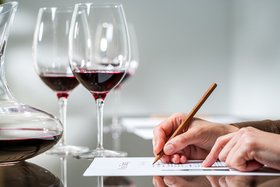
Wine connoisseurship requires a trained palate. Follow this systematic approach:
The Professional Tasting Framework
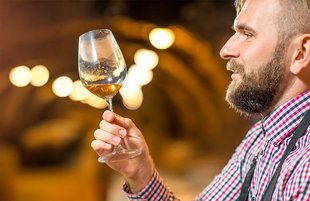
- Visual Examination
- Color: Ranges from water-white to deep purple; indicates variety, age, concentration
- Intensity: Pale, medium, deep — relates to extraction and concentration
- Clarity: Should be clear; haziness may indicate fault or natural/unfiltered style
- Viscosity: "Legs" or "tears" indicate alcohol level and sometimes sugar content
- Olfactory Analysis (Nose)
- Primary Aromas: Fruit, floral, herbal notes from the grape variety itself
- Secondary Aromas: Fermentation-derived (yeast, butter, cream, bread dough)
- Tertiary Aromas: Age-derived (leather, tobacco, earth, dried fruit, forest floor)
- Intensity: Light, medium, pronounced
- Condition: Clean vs. faulty (cork taint, oxidation, reduction)
- Palate Assessment
- Sweetness: Bone dry, off-dry, medium, medium-sweet, sweet
- Acidity: Low, medium, high — provides freshness, structure, and aging potential
- Tannin (reds): Low, medium, high — textural astringency from grape skins and seeds
- Body: Light, medium, full — overall weight and concentration
- Alcohol: Low (<11%), medium (11-13.5%), high (>13.5%) — integration matters
- Flavor Intensity: Light, medium, pronounced
- Finish: Short (<5 sec), medium (5-10 sec), long (>10 sec)
- Quality and Conclusions
- Balance: Components work together harmoniously
- Complexity: Multiple layers of flavor and aroma that evolve
- Concentration: Intensity without heaviness or excess extraction
- Typicity: Does it express its variety and origin authentically?
- Length: Persistent, evolving finish
- Readiness: Drink now, hold, or past peak?
- Value Assessment: Is pricing appropriate for quality?
Calibrating Your Palate
Comparative Tasting: Taste wines side-by-side to understand differences. Compare:
- Same variety, different regions (Pinot Noir: Burgundy vs. Oregon vs. New Zealand)
- Same region, different producers (three different Pauillac estates)
- Same producer, different vintages (vertical tasting)
- Different price points (test whether you can identify quality differences)
Blind Tasting Practice: Removes label bias and develops genuine sensory assessment. Join organized groups or create your own with friends.
Reference Wines: Identify benchmark examples of each variety and style. These become your mental reference library.
Wine Certifications: Formalizing Your Knowledge
Wine & Spirit Education Trust (WSET)
The world's largest wine education organization offers four levels:
Level 1 (~$200-$300): One-day introduction. Covers basics of wine styles and service. Good for absolute beginners.
Level 2 (~$700-$900): Intermediate certification. 24+ study hours covering major varieties, regions, and styles. Required for hospitality professionals; excellent for serious enthusiasts.
Level 3 (~$1,200-$1,500): Advanced certification. 80+ study hours including rigorous tasting exams. Industry-recognized credential demonstrating significant expertise.
Level 4 — Diploma (~$6,000-$10,000 total): Expert-level qualification. 370+ study hours across six units over 18-36 months. Post-nominal: DipWSET. Prerequisite for Master of Wine candidacy. Serious commitment for professionals.
Court of Master Sommeliers (CMS)
Service-focused certification primarily for hospitality professionals:
Introductory Sommelier: Basic service knowledge and tasting. 2-day course.
Certified Sommelier: Intermediate knowledge, blind tasting, service exam. Pass rate ~60%.
Advanced Sommelier: Comprehensive knowledge, advanced blind tasting. Pass rate ~25%.
Master Sommelier: The pinnacle. Theory, service, and blind tasting exams. Pass rate ~10%. Only ~270 Master Sommeliers worldwide. Post-nominal: MS.
Master of Wine (MW)
The most prestigious wine credential globally:
Requirements:
- WSET Diploma (or equivalent)
- 3+ years wine industry experience
- Self-directed study program (typically 3-5 years)
- Rigorous theory exams, blind tasting exams, and 10,000-word research paper
Only ~420 Masters of Wine exist worldwide. Post-nominal: MW.
Which Path Should You Choose?
- Enthusiasts seeking structured learning: WSET Levels 1-3
- Restaurant/hospitality professionals: CMS pathway
- Wine trade professionals (buying, sales, education): WSET Level 3+, potentially Diploma
- Career changers seeking credentials: CMS or WSET depending on target role
- Ultimate achievement seekers: Master of Wine or Master Sommelier
- Investment-focused collectors: WSET Level 3 provides excellent foundation without full professional commitment
Building a Wine Collection
Connoisseurs eventually build collections. The transition from "buying wine to drink" to "building a collection" marks a significant step in wine expertise.
Define Your Collection Strategy
Drinking Collection: Wines for regular enjoyment
- Budget: $20-$100 per bottle
- Timeline: Consume within 1-5 years
- Focus: Personal preferences, food pairing versatility
- Storage: Home wine refrigerator or cool closet acceptable
Cellar Collection: Age-worthy wines purchased young
- Budget: $50-$500+ per bottle
- Timeline: Age 5-20+ years before consumption
- Focus: Proven age-worthy varieties and vintages
- Storage: Proper cellar conditions required (55°F, 70% humidity, darkness)
Investment Collection: Wines selected for appreciation potential
- Budget: $100-$5,000+ per bottle
- Timeline: Hold 5-15+ years, potentially sell for profit
- Focus: Investment-grade wines with track records
- Storage: Professional bonded warehouse essential
Building by Purpose
For Drinking:
- Wines you enjoy from producers you trust
- Regional diversity for food pairing flexibility
- Mix of ready-to-drink and short-term aging candidates
- Replenish regularly as consumed
For Aging:
- Age-worthy varieties: Cabernet Sauvignon, Nebbiolo, Riesling, Burgundy Pinot Noir and Chardonnay
- Reputable vintages from proven producers
- Proper provenance documentation
- Patience: most age-worthy wines need 10+ years
For Investment:
- Established names with auction track records (First Growth Bordeaux, Grand Cru Burgundy, Napa cult wines, prestige Champagne)
- Professional authentication before purchase
- Bonded warehouse storage with provenance preservation
- Exit strategy: auction houses, specialist retailers, investment platforms
Collection Management
Cellar Database: Track all holdings using apps like CellarTracker or Vivino:
- Purchase date, source, price paid
- Current market value
- Storage location
- Drinking window
- Tasting notes when opened
Insurance: Collections over $10,000 warrant dedicated coverage. Standard homeowners policies often have limits on wine coverage.
Regular Review: Assess holdings annually:
- Which wines are approaching peak drinking window?
- Which holdings have appreciated sufficiently to consider selling?
- Are storage conditions optimal?
- Is the collection balanced across regions and styles?
The Connoisseur as Investor
True wine expertise increasingly includes investment knowledge. The fine wine market has grown substantially, with collectors seeking both appreciation and the pleasure of owning exceptional bottles.
Investment-Grade Wine Characteristics
Not all fine wine appreciates. Investment-grade wines share common traits:
Production Scarcity: Limited production creates supply constraints that support pricing
Critical Recognition: High scores from established critics (Parker, Suckling, Robinson) drive demand
Track Record: Proven auction performance over multiple decades
Aging Potential: Long drinking windows maintain relevance
Global Recognition: International collector demand provides liquidity
Proper Storage: Provenance and storage history verified
Key Investment Regions and Producers
Bordeaux First Growths: Lafite, Latour, Margaux, Mouton, Haut-Brion — most liquid market
Grand Cru Burgundy: DRC, Leroy, Roumier, Rousseau, Dujac — highest appreciation potential
Napa Valley Cult Wines: Screaming Eagle, Harlan, Scarecrow — American trophy market
Prestige Champagne: Dom Pérignon, Cristal, Krug, Salon — growing investment recognition
Super Tuscans: Sassicaia, Ornellaia, Masseto — established collectibility
Northern Rhône: Hermitage, Côte-Rôtie from top producers — emerging investment status
Investment Performance
Fine wine has delivered competitive returns:
- Liv-Ex Fine Wine 100: +55% over 10 years
- Liv-Ex Burgundy 150: +227% over 10 years
- Dom Pérignon: 1993 P2 +1,308% (2021-2023)
- DRC Portfolio: +262% over 10 years
These returns require expertise, proper storage, and patience — but demonstrate wine's potential as alternative investment.
Continuing Your Wine Education
Tasting Regularly
- Wine bars and restaurants: Taste by the glass to explore without commitment
- Wine shops: Many offer free or inexpensive tastings
- Tasting groups: Join or form groups for shared exploration
- Winery visits: Nothing replaces seeing production firsthand
- Wine dinners and events: Organized tastings with expert guidance
- Auction previews: Many auction houses offer pre-sale tastings
Building Your Wine Library
Essential Books:
- The World Atlas of Wine (Hugh Johnson & Jancis Robinson) — geographic foundation
- Wine Grapes (Jancis Robinson, Julia Harding & José Vouillamoz) — varietal encyclopedia
- The Oxford Companion to Wine (Jancis Robinson) — comprehensive reference
- Inventing Wine (Paul Lukacs) — wine history
Digital Resources:
- Wine-Searcher: Pricing and availability data
- JancisRobinson.com: Expert reviews and education
- GuildSomm: Professional resources
- Vinous/Wine Advocate/Wine Spectator: Major critics
Trade Publications:
- Decanter
- The World of Fine Wine
- Wine Spectator
- Wine Enthusiast
Wine Travel
Wine connoisseurship deepens through travel:
- Visit producers during harvest (September-October in Northern Hemisphere)
- Book tastings directly with wineries
- Explore terroir firsthand — walk the vineyards
- Meet winemakers and ask questions
- Taste verticals (multiple vintages of the same wine)
- Compare neighboring producers to understand style differences
The Bottom Line
Becoming a wine connoisseur is a journey, not a destination. Start with foundational knowledge, develop your palate through systematic tasting, and maintain curiosity throughout. Whether you pursue formal certifications or self-directed learning, the reward is the same: deeper appreciation for one of humanity's oldest and most rewarding pleasures.
The best connoisseurs combine knowledge with humility — confident in what they know, eager to learn what they don't. That balance of expertise and openness is the true mark of wine mastery.
For those who develop genuine expertise, wine offers both personal pleasure and investment opportunity. The knowledge that enables you to identify exceptional bottles also enables you to build collections that appreciate over time. True connoisseurship rewards you twice: in the glass and in the portfolio.
Common Mistakes to Avoid
Chasing Scores Blindly: High critic scores (95+) don't guarantee you'll enjoy a wine. Scores reflect one palate at one moment. Develop your own preferences while using scores as one data point among many.
Drinking Age-Worthy Wines Too Young: That Grand Cru Burgundy or First Growth Bordeaux needs time. Opening trophy bottles prematurely wastes their potential. Patience is a connoisseur virtue.
Storing Wine Poorly: Great wine stored badly becomes mediocre wine. Temperature fluctuations, UV light, vibration, and improper humidity destroy value and quality. Invest in proper storage before expensive bottles.
Ignoring Value: Trophy bottles have their place, but great wine exists at every price point. The $40 bottle that delivers $80 quality is a connoisseur's triumph. Don't equate price with quality automatically.
Staying in Comfort Zones: If you only drink Napa Cabernet, you're missing 95% of the wine world. Force yourself to explore unfamiliar regions and varieties regularly.
Pretension Over Pleasure: Wine exists to be enjoyed. The best connoisseurs share knowledge generously, welcome newcomers, and remember that wine is ultimately about pleasure and human connection.
Neglecting Food Pairing: Wine and food together create experiences greater than either alone. Develop pairing intuition — it's a core connoisseur skill.
Buying Without Research: Impulse purchases at auction or retail often disappoint. Know what you're buying: producer reputation, vintage quality, provenance, fair pricing.
Underestimating Provenance: For investment or aging, provenance matters enormously. A poorly-stored First Growth is worth less than a properly-stored Fifth Growth. Always verify storage history.
Forgetting to Enjoy: Collecting and investing are legitimate pursuits, but don't forget to actually drink some of your wine. Cellars full of unopened bottles represent missed experiences.
Tools and Resources for the Modern Connoisseur
Essential Apps
CellarTracker: The gold standard for cellar management. Track purchases, storage locations, drinking windows, and community tasting notes. Free basic version; premium features available.
Vivino: Massive crowd-sourced database. Scan labels for ratings and reviews. Useful for quick reference, though professional opinions may differ from crowd scores.
Wine-Searcher: Price comparison across global retailers. Essential for understanding fair market value before purchasing.
Delectable: Social wine platform with professional critic integration. Good for discovering new wines through trusted palates.
WSET Study Apps: Official apps support certification preparation with flashcards and practice questions.
Online Communities
Reddit r/wine: Active community with knowledgeable contributors. Good for questions and discovery.
Wine Berserkers: Forum for serious collectors with deep expertise, particularly strong on Burgundy and California.
GuildSomm: Professional community with educational resources. Requires membership but excellent for serious students.
Subscription Services
Wine Clubs: Curated selections from retailers or producers. Quality varies; research before committing.
Coravin Access: Allows tasting from bottles without fully opening. Excellent for exploring expensive bottles over time.
Critics' Websites: Subscriptions to JancisRobinson.com, Vinous, or Wine Advocate provide professional reviews and educational content.
Professional Networks
WSET Alumni: Certification creates networking opportunities with fellow graduates globally.
Sommelier Guilds: Local and national organizations connect professionals and enthusiasts.
Wine Society Memberships: Organizations like The Wine Society (UK) or similar provide access to exclusive wines and events.
The Connoisseur's Calendar
Annual Wine Events Worth Attending
January-February:
- Burgundy barrel tastings (en primeur)
- ProWein preparation and previews
March-April:
- ProWein (Düsseldorf) — world's largest trade fair
- Bordeaux en primeur tastings
- Vinexpo regional events
May-June:
- Bordeaux en primeur campaign
- Piedmont spring releases
- Southern Hemisphere vintage assessments
September-October:
- Northern Hemisphere harvest
- Burgundy harvest tastings
- Napa Valley Auction
November-December:
- Hospices de Beaune auction
- Christie's, Sotheby's major wine sales
- Holiday auction season
Building Your Annual Tasting Plan
Structure your year around learning objectives:
Q1: Focus on one region in depth (e.g., complete Burgundy survey)
Q2: Comparative tastings across regions (Pinot Noir from five countries)
Q3: Harvest visits and new vintage assessments
Q4: Vertical tastings of age-worthy wines; holiday discoveries
Build a collection with a plan. Vinovest helps you move from buying random bottles to building a tracked portfolio, with support on selection, storage, and long-term strategy.