Pink Moscato: The Complete Guide to This Sweet, Fruity Wine (2026)
Pink Moscato is a sweet, lightly sparkling rosé made mostly from Muscat grapes with a small amount of red grape variety added for color. It runs low in alcohol (5.5–9% ABV) but moderate in calories (about 120–137 per 5 oz glass) because of its high residual sugar — making it one of the most beginner-friendly wines on the market.
Pink Moscato has become one of America's most popular wines — a sweet, fruity, lightly sparkling rosé that appeals to wine newcomers and casual drinkers alike. With its blush color, accessible sweetness, and refreshing character, it has carved out a permanent spot for drinkers who prefer something sweeter than a dry table wine. This guide covers what Pink Moscato is, how it's made, the best brands and prices, food pairings, nutrition, and why so many people have made it their go-to bottle.
Further reading
- Discover all about the different Moscato Wine Styles and the best bottles to sip now!
- Check out these mesmerizing Sparkling Wine bottles curated from around the world.
What Is Pink Moscato?
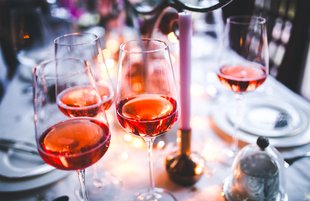
Pink Moscato is a sweet, lightly sparkling rosé wine made primarily from Muscat grapes, with red grape varieties (commonly Merlot, Syrah, or Zinfandel) or finished red wine added to achieve its signature blush color. It originated as an American innovation, though it draws inspiration from Italian Moscato traditions.
Key Characteristics:
- Color: Light pink to salmon
- Sweetness: Sweet (high residual sugar)
- Bubbles: Light effervescence (frizzante style)
- Alcohol: Low, typically 5.5-9% ABV
- Body: Light
- Flavors: Strawberry, peach, orange, honey
- Price Range: $6-$18
Pink Moscato combines the aromatic, honeyed character of Moscato with red fruit notes from added grape varieties like Merlot, Syrah, or Zinfandel.
How Pink Moscato Is Made
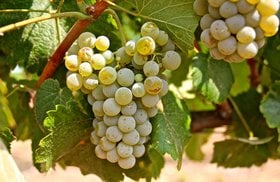
- Grape selection: White Muscat (Moscato Bianco) forms 85–95% of the blend.
- Color addition: Red grape varieties or finished red wine — typically Merlot, Syrah/Shiraz, or Zinfandel — are added for the pink hue.
- Fermentation: Cool-temperature fermentation preserves aromatics; the process is stopped early to retain residual sugar.
- Carbonation: Light effervescence comes from tank fermentation (Charmat method), CO2 injection, or arrested fermentation that traps natural CO2.
- Bottling: The wine is filtered, stabilized, and bottled young to preserve freshness.
The sweetness comes from halting fermentation before all the sugar converts to alcohol, which preserves 40–100+ grams of residual sugar per liter, keeps alcohol low (5.5–9% vs. 12–14% for dry wines), and locks in the fresh, fruity character that defines the style.
Best Pink Moscato Brands and Prices (2026)
| Brand | Price | Character | Best For |
|---|---|---|---|
| Barefoot Pink Moscato | $6–$9 | Sweet, fruity, widely available | Value, everyday enjoyment |
| Sutter Home Pink Moscato | $6–$9 | Light, refreshing sweetness | Budget-friendly, casual drinking |
| Gallo Pink Moscato | $6–$9 | Crisp and fruity | Widely available value |
| Yellow Tail Pink Moscato | $7–$10 | Australian-made, crowd-pleasing | Consistent quality, availability |
| Stella Rosa Pink | $10–$13 | Semi-sweet, sophisticated | Step-up quality, gifting |
| Castello del Poggio Pink Moscato | $10–$14 | Italian quality | Authentic Italian style |
| Risata Pink Moscato | $10–$14 | Italian producer | Premium everyday choice |
| Innocent Bystander Pink Moscato | $12–$16 | Australian, quality-focused | Those seeking better quality |
Best value: Barefoot ($6–$9) is America's best-selling wine brand and delivers consistent quality at the lowest price point. Best step-up: Stella Rosa ($10–$13) is a noticeable quality jump without a steep price increase.
Nutrition: Calories, Sugar, and Alcohol per Glass
Per 5 oz (150ml) serving:
| Metric |
Pink Moscato |
How It Compares |
|---|---|---|
| Calories | ~120–137 |
Roughly in line with a glass of dry table wine despite the lower alcohol — the sugar makes up the difference |
| Sugar | 8–14g |
Similar to a 5 oz glass of orange juice (~13g); well under a 12 oz cola (~39g) |
| Alcohol (ABV) | 5.5–9% | About half the ABV of a standard 12–14% table wine |
| Carbohydrates | ~12–17g net carbs |
High enough that a single glass can use a meaningful share of a strict keto carb budget |
Comparing Pink Moscato to Other Wines
| Wine | ABV |
Calories (5 oz) |
Sugar (5 oz) |
|---|---|---|---|
| Pink Moscato | 5.5–9% | 120–137 | 8–14g |
| White Moscato | 5–7% | 107–123 | 10–15g |
| Dry Rosé | 12–13.5% | 120–130 | 0.5–2g |
| White Zinfandel | 9–10% | 120–130 | 6–10g |
| Brut Champagne | 12–12.5% | 90–110 | 0–1g |
Food Pairing Guide
Best pairings
- Fresh fruit and berries, fruit tarts, cheesecake, angel food cake, sorbet
- Fresh goat cheese, brie with fruit, mascarpone, cream cheese appetizers
- Brunch dishes: French toast, pancakes, waffles with berries, fruit salads
- Light appetizers: bruschetta with fruit, caprese with strawberries, prosciutto with melon
- Mildly spicy dishes: Thai food, sweet-heat wings, light curries — the sweetness tames the heat
What to avoid
- Heavy, savory main courses and strongly flavored meats
- Very salty or intensely bitter dishes
How to Serve Pink Moscato
| Detail | Recommendation |
|---|---|
| Temperature | 38–45°F (3–7°C) — well-chilled |
| Glassware | White wine glass or flute |
| Serving size | 5 oz (150ml) standard pour |
| Before opening | Store refrigerated or cool/dark; drink within 1–2 years |
| After opening | Reseal, refrigerate, consume within 3–5 days |
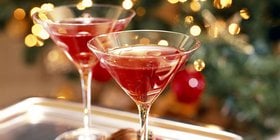
Pink Moscato Cocktails
- Pink Moscato Mimosa: 3 oz Pink Moscato, 2 oz orange juice, strawberry garnish
- Moscato Spritzer: 4 oz Pink Moscato, 2 oz sparkling water, fresh mint, over ice
- Berry Bellini: 4 oz Pink Moscato, 2 oz strawberry or raspberry purée, blended gently
- Moscato Sangria: 1 bottle Pink Moscato, sliced strawberries, raspberries, sliced peaches, chilled 2+ hours
The Bottom Line
Pink Moscato earns its popularity through uncomplicated pleasure — sweetness, fruitiness, and refreshment in an affordable, approachable package. It isn't trying to be a serious, structured wine, and that's exactly the point: at $6–$15, it's an easy, low-alcohol pour for brunch, dessert, or simply unwinding.
If your wine interest extends to building a collection, Vinovest sources, authenticates, stores, and insures investment-grade bottles on your behalf.
Frequently Asked Questions
Is Pink Moscato healthy?
In moderation, it's comparable to other wines — about 120–137 calories per 5 oz glass. It's higher in sugar (8–14g) than dry wines but lower in alcohol, so the total calorie count lands in a similar range.
Does Pink Moscato contain alcohol?
Yes, typically 5.5–9% ABV — roughly half the alcohol of a standard 12–14% ABV table wine, but still alcoholic.
What's the difference between Pink Moscato and regular Moscato?
Regular (white) Moscato is made entirely from white Muscat grapes. Pink Moscato adds a small amount of red grape variety or finished red wine for color and extra berry flavor, while keeping the same sweet, aromatic Muscat character.
Can Pink Moscato be aged?
No. Pink Moscato is made for immediate enjoyment — drink it within 1–2 years of purchase, and within 3–5 days once opened. It does not improve with age.
What's the best Pink Moscato brand to try first?
Barefoot Pink Moscato ($6–$9) is the most widely available and a reliable starting point. For a noticeable step up in quality at a still-affordable price, Stella Rosa Pink ($10–$13) is the common recommendation.
Last updated: June 2026 | Reviewed by the Vinovest Editorial Team | Pricing, calorie, and nutrition data sourced from producer technical sheets, USDA nutrition data, and current retail listings. Figures are approximate and vary by producer and vintage.