Semi-Sweet Red Wine: 9 Best Styles, Top Bottles & Food Pairings (2026)
Quick answer: Semi-sweet red wine has 12–45g of residual sugar per litre — noticeable sweetness without being cloying. The 9 most important styles are Lambrusco, Brachetto d'Acqui, California Zinfandel, Grenache/Garnacha, Argentine Malbec, Recioto della Valpolicella, Australian Shiraz, Montepulciano d'Abruzzo, and Port wine — the most investment-worthy of all.
Semi-sweet red wine is one of the most misunderstood categories in the wine world. Mention it to a serious wine drinker and you risk being met with skepticism. Mention it to someone new to wine and you might find you have described exactly what they have been looking for without knowing the name for it.
The category sits deliberately between the austere complexity of fully dry red wine and the unabashed sweetness of dessert wine. It is more interesting, more food-friendly, and more diverse than either extreme tends to acknowledge. It includes some of Italy's most beloved wines, Portugal's greatest fortified classics, and some of California's most popular everyday bottles.
This guide covers everything: what makes a red wine semi-sweet, the science of residual sugar and how winemakers create it, the nine most important semi-sweet red wine styles in 2026, current bottle recommendations and prices, food pairing principles, and the investment case for Port wine at the premium end of the category.
Further reading
- Explore the rich variety of Sweet Red Wines and uncover investment-worthy bottles that deserve a spot in your collection.
- Alternatively, take a detour into the floral, honeyed worlds of Sweet White Wines and Semi Sweet White Wines.
What Makes a Red Wine Semi-Sweet?
A semi-sweet red wine contains between roughly 12 and 45 grams of residual sugar per liter. To put that in context: a fully dry red wine typically contains less than 4 grams per liter, often much less. A classic dessert wine like Sauternes might contain 100 to 150 grams per liter. Semi-sweet sits squarely and deliberately in the middle: sweet enough to be immediately noticeable, not so sweet that it overwhelms food or becomes cloying when drunk on its own.
How Winemakers Create Semi-Sweet Red Wine
Interrupted fermentation is one of the most common methods, particularly for sparkling semi-sweet reds like Lambrusco. Winemakers cool the fermenting wine rapidly when the desired sugar level is reached, stopping yeast activity while preserving residual sweetness. This technique requires precision because the yeast does not want to stop and will resume activity if conditions warm.
Fortification is the method used for Port wine and other fortified styles. A neutral grape spirit (essentially brandy) is added to the fermenting wine when approximately half the sugar has been converted to alcohol. The high alcohol kills the yeast immediately, locking in the remaining sugar and producing a wine with elevated alcohol (typically 19–20% ABV) and pronounced natural sweetness. Fortification is not a shortcut — it is a specific winemaking tradition with centuries of development, and the finest Vintage Ports represent some of the most age-worthy wines produced anywhere in the world.
Natural late-harvest sweetness occurs when grapes are left on the vine past normal harvest, developing higher sugar concentrations. Some of this sugar survives fermentation because the yeast cannot fully process it before alcohol levels inhibit their activity.
Back-sweetening is the most commercially common method in mass-market production: unfermented grape juice or sweetened wine concentrate is added to a finished dry wine. Done well it produces genuinely pleasant wines. Done poorly, the sweetness feels tacked on rather than integrated.
The Sweetness Spectrum
| Category |
Residual Sugar |
Taste Impression | Examples |
|---|---|---|---|
| Bone dry | 0–4 g/L | No perceptible sweetness | Cabernet Sauvignon, Pinot Noir, Nebbiolo, Tempranillo |
| Off-dry | 4–12 g/L | Just a hint of sweetness, barely detectable | Some Grenache and Merlot from warm vintages |
| Semi-sweet | 12–45 g/L | Clearly sweet but not cloying — the focus of this guide | Lambrusco Amabile, Zinfandel (fruit-forward), soft Malbec |
| Sweet | 45–120 g/L | Noticeably very sweet | Port, late-harvest Zinfandel, Recioto della Valpolicella |
| Very sweet | 120+ g/L | Concentrated dessert wine territory | Pedro Ximénez expressions, sweet Brachetto Dolce |
The practical implication for food pairing: your wine should be sweeter than the food. If the food is sweeter than the wine, the food makes the wine taste flat and thin. This is the Wine Folly principle — and it is why semi-sweet wines pair so effectively with spicy food (sweetness tames heat) and with charcuterie and salty foods (sugar counterbalances salt), but struggle alongside very sweet desserts.
The 9 Best Semi-Sweet Red Wine Styles in 2026
1. Lambrusco (Emilia-Romagna, Italy)
RS: 15–50 g/L | ABV: 7–11% | Price: $8–$28
Lambrusco is the great underestimated wine of Italy. For decades it suffered from an association with cheap, cloyingly sweet imported versions that had little resemblance to the genuine article produced in Emilia-Romagna. The revival of authentic Lambrusco from quality-focused producers using the Charmat and traditional methods with local grape varieties has fully restored its reputation — and today it appears on serious restaurant wine lists across the world.
Genuine Lambrusco is lightly sparkling (frizzante) to fully sparkling (spumante) with natural acidity that prevents the sweetness from dominating. The carbonation lifts the aromatics and creates a refreshing quality that makes it remarkably food-friendly. Dominant flavours include red cherry, blackberry, strawberry, violet, rhubarb, and a characteristic earthy note specific to the Lambrusco grape family.
The key producing zones are Lambrusco di Sorbara (most refined and delicate), Lambrusco Grasparossa di Castelvetro (fullest and most tannic), and Lambrusco Salamino di Santa Croce (most fragrant and approachable). All three deserve exploration.
Best bottles 2026: Cleto Chiarli Lambrusco di Sorbara Vecchia Modena (~$18–25), Lini 910 Lambrusco Rosso (~$18–22), Cantina di Carpi e Sorbara Omaggio a Gino Friedmann (~$20–28), Riunite Lambrusco (~$8–12 for everyday drinking)
Food pairings: Prosciutto and other cured meats, aged Parmigiano-Reggiano, tortellini in broth, pizza, lasagna. Lambrusco's natural acidity and light carbonation cut through fat and salt beautifully — it is the traditional table wine of Emilia-Romagna because it was designed to work with the food of the region.
2. Brachetto d'Acqui (Piedmont, Italy)
RS: 70–100 g/L | ABV: 5.5–7% | Price: $18–$30
Brachetto d'Acqui is made from the Brachetto grape in the provinces of Asti and Alessandria in Piedmont, and it is one of the most enchanting semi-sweet red wines produced anywhere. The DOCG appellation guarantees geographic authenticity, and the best examples show natural sweetness, vibrant acidity, light carbonation, and an aromatic intensity centred on fresh strawberry, raspberry, and rose petals with subtle notes of violet.
At 5.5–7% ABV, Brachetto is among the lowest-alcohol red wines available. In northern Italy it is served as both an aperitif and a dessert wine — a range that says everything about its versatility. Over the past five years it has quietly become fashionable at upscale restaurants that would have sneered at sweetness a decade ago.
Best bottles 2026: Banfi Rosa Regale Brachetto d'Acqui (~$18–25), Marenco Pineto Brachetto d'Acqui (~$20–28), Braida Brachetto d'Acqui (~$22–30)
Food pairings: Strawberry desserts, dark chocolate, panna cotta, light fruit tarts, soft cheeses like mascarpone, foie gras. The sweetness and low alcohol make it excellent for both dessert occasions and unexpected savoury pairings.
3. Zinfandel (California)
RS: 8–25 g/L | ABV: 14–16% | Price: $12–$50
California Zinfandel occupies a broad stylistic spectrum. At one end sit the big, dry, full-bodied old-vine Zinfandels from Sonoma County and Amador County. At the other sit lighter, more commercial expressions with fruit-forward character and a noticeable softness that crosses into semi-sweet territory — jammy blackberry, raspberry, and wild strawberry, often with hints of black pepper, vanilla, and tobacco from oak aging.
Semi-sweet Zinfandel handles hearty food pairings well, and its California fruit exuberance has made it one of the most popular red wine styles in the American market.
Best bottles 2026: Bogle Vineyards Old Vine Zinfandel (~$12–16), Seghesio Sonoma Zinfandel (~$22–30), Ridge Geyserville (~$40–50 — bridges semi-sweet and full-bodied dry styles)
Food pairings: Barbecued ribs and pulled pork, spiced beef dishes, mild curry, anything with a caramelized or glazed component, pizza. The wine's body and sweetness balance both fat and spice effectively.
4. Grenache / Garnacha (Southern France and Spain)
RS: 5–20 g/L | ABV: 14–16% | Price: $10–$25
Grenache (Garnacha in Spain) is one of the most naturally prone grapes to producing wines with a rounded, fruit-forward sweetness even when technically dry. In warm vintages from sun-drenched regions like the Languedoc, Roussillon, Priorat, and the southern Rhône, Grenache produces red wines with ripe cherry, strawberry, and raspberry character and a smooth, slightly sweet finish.
Best bottles 2026: Campo Viejo Tempranillo-Grenache from Rioja (~$12–16), Bodegas Breca Old Vine Garnacha from Calatayud (~$18–25), Mas de Boislauzon Côtes du Rhône (~$15–22), Château Pesquie Terrasses Ventoux (~$14–20)
Food pairings: Lamb dishes of all kinds, lentil-based dishes, roasted vegetables with herbs, mild spiced meats. The Grenache-lamb affinity is one of the great regional pairings of the Mediterranean world.
5. Argentine Malbec (Ripe Warm-Vintage Style)
RS: 3–12 g/L | ABV: 13.5–15% | Price: $12–$40
Argentine Malbec from the high-altitude Mendoza region produces wines with plum, blackberry, and black cherry fruit and a naturally rounded sweetness even in technically dry expressions. The intense Andean sunlight, cool nights, and well-drained soils concentrate the fruit while preserving acidity, creating wines that feel approachable and slightly sweet even at low residual sugar levels. The best semi-sweet Malbec expressions lean into this fruit-forwardness with lower tannins and a smooth finish.
Best bottles 2026: Trivento Golden Reserve Malbec (~$18–25), Zuccardi Valle de Uco Malbec (~$25–35), Achaval Ferrer Malbec (~$25–35), Clos de los Siete (~$20–28)
Food pairings: Argentine asado, richly seasoned grilled beef, empanadas, chorizo, spiced beef dishes. The wine's fruit-forward character and moderate tannins handle bold flavours without fighting them.
6. Recioto della Valpolicella (Veneto, Italy)
RS: 60–120 g/L | ABV: 12–14% | Price: $35–$120
Recioto della Valpolicella is the sweet version of the famous Amarone wine from the Veneto region. It uses the same appassimento (drying) method — grapes are dried for 90–120 days after harvest, concentrating sugars — but unlike Amarone, fermentation is deliberately halted to preserve sweetness. The result is a deeply coloured, intensely flavoured wine with concentrated notes of dried cherry, blackberry jam, raisin, dark chocolate, and subtle earthiness. It is one of the most historically significant sweet wines of northeastern Italy.
Best bottles 2026: Masi Mezzanella Recioto della Valpolicella (~$35–50), Allegrini La Grola Recioto (~$45–65), Quintarelli Recioto della Valpolicella (~$80–120)
Food pairings: Dark chocolate in all forms, rich fruit desserts, aged hard cheeses, and the classic Veneto combination of Recioto with bitter dark chocolate cake.
7. Australian Shiraz (Barossa Valley and McLaren Vale)
RS: Technically dry to 15 g/L | ABV: 14.5–16% | Price: $20–$35
Warm-climate Australian Shiraz from South Australia's Barossa Valley and McLaren Vale produces some of the most fruit-driven red wines in the world. While most are labelled as dry wines and technically meet that definition, their concentration of ripe plum, blackberry, and dark cherry fruit alongside chocolate, licorice, and black pepper creates a perception of sweetness that makes them natural companions for drinkers who enjoy semi-sweet reds. Some producers deliberately craft slightly off-dry Shiraz for the commercial market.
Best bottles 2026: Penfolds Bin 28 Shiraz (~$25–35), d'Arenberg The Footbolt Shiraz (~$20–28), Torbreck Woodcutters Shiraz (~$22–30), Mollydooker The Boxer Shiraz (~$25–35)
Food pairings: Smoky barbecue, lamb, duck with fruit sauces, game meats, strong aged cheddar. The fruit richness and body handles bold flavours and strong spices far better than lighter reds.
8. Montepulciano d'Abruzzo (Abruzzo, Italy)
RS: 8–20 g/L | ABV: 12.5–14% | Price: $12–$200+
Montepulciano d'Abruzzo is arguably Italy's greatest wine secret and one of the finest value propositions in the semi-sweet red category. Made from the Montepulciano grape in the Abruzzo region along the Adriatic coast, these wines show dark berry, plum, and cherry fruit with moderate tannins and a rounded, slightly sweet finish. A critical note: do not confuse it with Vino Nobile di Montepulciano, which is an entirely different wine from Tuscany made from the Sangiovese grape.
The entry level of genuine Montepulciano d'Abruzzo offers remarkable quality for $10–20. The top tier, represented by producers like Edoardo Valentini and Emidio Pepe, can age for decades and rival wines costing many times as much.
Best bottles 2026: Illuminati Riparosso (~$12–18), Cantina Zaccagnini Tralcetto (~$14–20), Masciarelli Marina Cvetic (~$28–40), Valentini Montepulciano d'Abruzzo (~$100–200+ for aged vintages)
Food pairings: Pasta with tomato-based sauces, lamb, beef, pizza, hearty stews. One of the most food-versatile red wines available — it handles everything from weeknight pasta to a full Sunday roast with equal ease.
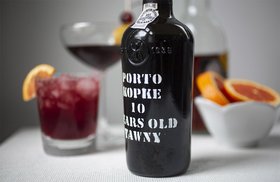
9. Port Wine (Douro Valley, Portugal)
RS: 80–120 g/L | ABV: 19–22% | Price: $15–$200+
Port wine is the most serious and investment-worthy wine in the semi-sweet red category and one of the most age-worthy wines produced anywhere in the world. True Port must come from the Douro Valley in northern Portugal, where schist soils, extreme summer heat, and over 80 approved indigenous grape varieties create wines of extraordinary concentration and complexity.
Port is made by fortification: neutral grape spirit is added to the fermenting wine when approximately half the sugar has been converted to alcohol, killing the yeast and locking in the remaining natural sweetness. Ruby Port offers fresh blackberry, cherry, and plum fruit. Tawny Port, aged in smaller barrels, develops nutty, caramelised flavours. Vintage Port, declared only in exceptional years (roughly three or four times per decade), spends just 18–24 months in barrel before bottling and then develops for decades. The finest Vintage Ports from Graham's, Fonseca, Taylor Fladgate, Quinta do Noval, and Ramos Pinto represent one of the few wine categories outside Burgundy and Champagne where genuine long-term investment appreciation is well-documented.
Best bottles 2026: Graham's Six Grapes Reserve Ruby (~$18–25), Quinta do Crasto LBV Port (~$22–30), Fonseca Bin 27 (~$18–24), Taylor Fladgate 20-Year-Old Tawny (~$40–55), Graham's Vintage Port 2017 (~$50–70 — strong investment potential)
Food pairings: Stilton blue cheese (the classic Portuguese pairing), dark chocolate, walnuts and dried fruits with Ruby Port, crème brûlée and tiramisu with Tawny. Vintage Port deserves to be savoured alone or with the simplest accompaniments so nothing distracts from the wine.
Food Pairing Principles for Semi-Sweet Red Wine
Three core rules cover almost all situations:
- [object Object] If the food is sweeter than the wine, the wine tastes flat and thin. This is why semi-sweet reds pair naturally with savoury foods and certain desserts, but struggle alongside very sweet cakes.
- [object Object] Cured meats, aged cheeses, charcuterie boards, and fatty proteins interact beautifully with residual sugar — the fat coats the palate and the salt amplifies the fruit character. Lambrusco with prosciutto. Port with Stilton. Zinfandel with BBQ ribs. These combinations developed over centuries because they genuinely work.
- [object Object] Residual sugar tames the perception of heat in spicy dishes. A slightly sweet Grenache with lamb tagine or a soft Malbec with spiced empanadas is more pleasurable than the same dish with a bone-dry Barolo.
Serving Semi-Sweet Red Wine
Temperature matters more for semi-sweet reds than for dry reds. Serving too warm allows sweetness to dominate and makes the wine taste heavy. Serving slightly cool keeps acidity active and sweetness integrated:
- Sparkling styles (Lambrusco, Brachetto d'Acqui): serve chilled at 48–54°F (9–12°C) in standard wine glasses rather than flutes — the wider opening concentrates the aromatics
- Still semi-sweet reds (Zinfandel, Grenache, Malbec): serve at 55–62°F (13–17°C) — cooler than most dry red wine
- Ruby and LBV Port: 60–65°F (16–18°C), slightly below room temperature
- Tawny Port: slightly cooler at 55–60°F (13–15°C)
- Vintage Port: decant for 1–2 hours before serving to allow sediment to settle and the wine to open
The Investment Case for Semi-Sweet Red Wine
Among semi-sweet reds, Port is by far the most investment-worthy. Vintage Port from major shippers trades on the secondary fine wine market alongside First Growth Bordeaux and top Burgundy, with genuine long-term appreciation potential.
The 2011 and 2017 declared vintages from Graham's, Taylor Fladgate, Fonseca, and Quinta do Noval Nacional are strong investment candidates at accessible current prices. Older Vintage Ports from exceptional years (1963, 1970, 1977, 1994) trade regularly at Sotheby's and Christie's. Vinovest provides access to investment-grade Port alongside fine wine from Burgundy, Bordeaux, and Tuscany.
Frequently Asked Questions
What is the most popular semi-sweet red wine?
In the US market, Stella Rosa Rosso and other Red Moscato expressions are among the most commercially popular. Lambrusco is the most popular semi-sweet red in Italy. Port wine is the most recognised globally and has the strongest investment case.
Is semi-sweet red wine good for beginners?
It is one of the best categories for new wine drinkers. The fruit-forward character and accessible sweetness reduce the drying, sometimes bitter quality of tannins that can make fully dry red wine challenging for newcomers. Lambrusco and Brachetto d'Acqui are particularly good introductions because their light carbonation adds freshness and makes the sweetness feel lighter.
Can semi-sweet red wine age?
Most semi-sweet reds are designed for immediate consumption and are best within three to five years of purchase. The exception is Vintage Port, which can age for 30 to 50 years or more in proper cellar conditions, developing extraordinary complexity. Investment-grade Vintage Port from top houses including Graham's, Fonseca, and Taylor Fladgate has shown consistent price appreciation over decades.
What is the difference between semi-sweet and off-dry red wine?
Off-dry sits at 4–12 g/L residual sugar — just a hint of sweetness that most drinkers barely perceive. Semi-sweet is 12–45 g/L and clearly noticeable on the palate. The distinction matters for food pairing: off-dry wines work with a wider range of savoury food, while semi-sweet wines need to be paired against richer, saltier, or spicier dishes.
Is Merlot a semi-sweet wine?
Most Merlot is technically dry (below 4 g/L residual sugar). However, Merlot tastes softer and more approachable than Cabernet Sauvignon due to lower tannin and ripe plum flavours — not actual sweetness. If you enjoy semi-sweet wines and want to step toward drier styles, Merlot is the natural bridge.
Last updated: May 2026 | Vinovest editorial team | Bottle data sourced from Wine Insiders, Vinito, WinesCurated, and the original Vinovest blog