Whiskey Investment Guide: How to Build a Profitable Whisky Portfolio in 2026
Rare whiskey has emerged as one of the most compelling alternative investment categories, with top bottles appreciating 400-1,000%+ over the past decade. From Scottish single malts to Japanese rarities, whiskey combines the appeal of a tangible, enjoyable asset with genuine investment returns.
This guide covers everything you need to know about whiskey investment in 2026: market performance, which bottles to buy, where to buy them, authentication and storage, and realistic expectations for returns.
Whiskey Investment Market Overview
Performance Metrics
The whiskey market has delivered exceptional returns across major indices:
Rare Whisky 101 Indices (2014-2024):
- Japanese 100 Index: 580% increase
- Apex 1000 Index (ultra-rare bottles): 500%+ appreciation
- Icon 100 Index: Strong double-digit annual returns
- Overall Rare Whisky Index: 478% growth
Individual Bottle Performance Examples:
- Yamazaki 18: 1,117% appreciation over tracking period
- Yamazaki 25: From $1,775 to $20,000+ (1,000%+ gain)
- Hakushu 25: 1,350% appreciation
- Macallan 1926: Sold for $1.9 million (2019 auction record)
- Hanyu Ichiro's Card Series (54 bottles): $1 million+ as complete collection
- Karuizawa single casks: $100,000-$500,000+ per bottle
Market Bifurcation — Critical Understanding:
The whiskey investment market has become highly stratified. This is perhaps the most important insight for new investors:
- Top 5% of bottles: Delivered 9.2% CAGR (compound annual growth rate)
- Bottom 50% of bottles: Lost -1.3% annually
This bifurcation means selection matters enormously. Generic whiskey doesn't appreciate; exceptional bottles do. The wrong bottles aren't just neutral investments — they're losing money.
2024-2025 Market Conditions:
After a decade of explosive growth, the whiskey market has matured. Entry-level "investment whiskey" faces more competition, while trophy bottles continue appreciating. This creates both opportunity (for discerning buyers) and risk (for undifferentiated purchasing).
Why Whiskey Works as an Investment
Finite Supply: Unlike wine (new vintages annually) or stocks (shares can be issued), whiskey is finite. Once a distillery closes or a vintage sells out, no more will ever exist. Every bottle consumed reduces global supply permanently.
Consumption Attrition: Whiskey gets opened and drunk. Unlike art or collectibles that circulate indefinitely, whiskey supply permanently decreases. This structural scarcity drives long-term appreciation.
Growing Global Demand: Asian markets (particularly China, Taiwan, Japan, and Southeast Asia) have driven explosive demand for premium whiskey. New wealth creation continues to expand the collector base.
Tangible Asset: Unlike stocks or bonds, you can hold, display, and (eventually) consume your investment. This physicality appeals to many investors.
Low Correlation: Whiskey prices have limited correlation with traditional financial markets. During the 2008-2009 financial crisis, rare whiskey prices remained relatively stable while equities collapsed.
Passion-Driven Market: Whiskey collectors are enthusiasts first, investors second. This emotional attachment creates price resilience during downturns.
Types of Whiskey for Investment
Scotch Whisky
Scotland produces the most established investment-grade whiskey, with decades of auction data and global collector networks.
Single Malt: Whisky from one distillery using 100% malted barley. This is the premium investment category.
Key Investment Distilleries:
Macallan: The blue-chip of whisky investment. The Sherry-cask maturation creates rich, fruity, complex drams beloved by collectors. The Fine & Rare series (vintage-dated bottles going back to 1926) commands six-figure prices. Macallan accounts for more auction volume than any other distillery.
Key releases:
- Fine & Rare vintages: $5,000-$500,000+
- 18-year Sherry Oak: $300-$400 (entry-level collector)
- 25-year: $1,500-$2,000
- 30-year: $4,000-$6,000
Dalmore: Elaborate packaging and limited releases target Asian collectors. The distillery's partnership with luxury goods creates gift-market appeal.
- 25-year: $500-$700
- Constellation Collection: $50,000+
- Limited editions: Highly variable
Highland Park: Viking heritage marketing with consistent quality. Increasingly collectible.
- 25-year: $400-$600
- 40-year: $5,000+
- Single Cask releases: Variable
Springbank: Cult status among whisky enthusiasts. Extremely limited production from the only distillery that malts, matures, and bottles on-site.
- 21-year: $500-$800
- Limited editions: Often 3-5x appreciation
Bowmore: Classic Islay with proven auction track record. Smoky, peated style with long aging history.
- Vintage releases: $300-$5,000
- Black Bowmore: $15,000+
Glenfiddich: World's most awarded single malt with excellent vintage releases.
- Archive Collection: $1,000-$50,000
Ghost Distilleries — The Ultimate Finite Supply:
Closed distilleries produce no new whiskey, making existing stock increasingly valuable. Every bottle consumed reduces global supply to zero.
Brora: Highland distillery closed in 1983, reopened 2021. Pre-closure bottles: $1,000-$30,000+
Port Ellen: Islay distillery closed in 1983, reopening planned. Official releases: $2,000-$20,000+
Rosebank: Lowland distillery closed 1993, reopened 2023. Pre-closure bottles: $500-$5,000
Buying Strategy for Scotch: Focus on established distilleries (Macallan, Highland Park, Springbank), age-statement expressions (18+ years), and limited releases. Ghost distillery bottles offer ultimate scarcity but higher prices.
Japanese Whisky
The fastest-appreciating whiskey category, driven by extreme scarcity and global acclaim. Japanese whisky combines Scottish tradition with local precision, creating unique expressions.
The Supply Problem: Japanese distilleries dramatically underestimated global demand. Limited stocks from the 2000s-2010s are nearly depleted, creating severe scarcity for age-statement releases.
Key Producers:
Yamazaki (Suntory): Japan's first single malt distillery (1923). Yamazaki 18 and 25 are trophy bottles. The distillery produces multiple styles using various wood types and peat levels.
- Yamazaki 12: $150-$200 (increasingly scarce)
- Yamazaki 18: $500-$700
- Yamazaki 25: $3,000-$5,000
- Yamazaki 50: $100,000+
Hakushu (Suntory): Mountain distillery with herbal, forest character. Higher altitude creates different maturation.
- Hakushu 12: $150-$200
- Hakushu 18: $400-$600
- Hakushu 25: $3,000-$5,000
Hibiki (Suntory): Blended whisky with exceptional smoothness. 21-year and 30-year expressions are collectible.
- Hibiki 21: $800-$1,200
- Hibiki 30: $3,000-$5,000
Nikka: Founded by Masataka Taketsuru, who studied in Scotland. Yoichi and Miyagikyo distilleries produce distinct styles.
- Yoichi Single Malt: $80-$150
- Taketsuru 25: $500-$800
Karuizawa: Closed in 2000, making existing bottles museum pieces. Single cask releases command extraordinary prices.
- Karuizawa bottles: $10,000-$500,000+
Hanyu: Closed in 2000. The "Ichiro's Card Series" (54 bottles with playing card labels) sold as a complete set for over $1 million.
- Individual Card Series bottles: $20,000-$100,000
Regulatory Clarity (2024): JSLMA regulations now require "Japanese Whisky" labels to indicate domestic production. This increases transparency and potentially increases value of authenticated Japanese bottles.
Buying Strategy for Japanese: Extreme caution required due to counterfeiting. Buy only from reputable sources with provenance documentation. Focus on age-statement releases and limited editions. Suntory products offer the best liquidity.
American Whiskey
A growing investment category, though less established than Scotch or Japanese.
Key Investment Names:
Pappy Van Winkle: Cult bourbon with extreme secondary market premiums. Bottles with $100-$300 retail prices trade for $2,000-$5,000+. The 23-year expression commands $5,000+.
Buffalo Trace Antique Collection (BTAC): Annual limited releases generate massive demand. George T. Stagg, William Larue Weller, Thomas H. Handy, Eagle Rare 17, Sazerac 18.
- BTAC bottles: $500-$2,000 secondary market
Michter's: Ultra-limited age-statement releases appreciate well.
- Michter's 20-year: $1,000-$1,500
- Michter's 25-year: $3,000-$5,000
Wild Turkey: Master's Keep series and vintage releases have collector appeal.
Four Roses: Limited Edition Small Batch releases appreciated consistently.
Caution: American whiskey has shorter auction history and less global collector infrastructure than Scotch. Secondary market prices can be volatile.
Irish Whiskey
The fastest-growing whiskey category by volume, but investment-grade bottles remain limited.
Key Names:
- Midleton Very Rare: Annual limited releases, strong collector following. $200-$500.
- Redbreast 21 and limited editions: $150-$300
- Older Jameson expressions: Some collector interest
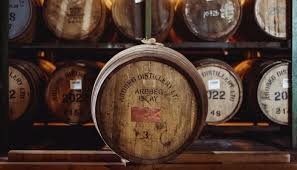
Cask Investment
Beyond bottles, investors can purchase whole casks of maturing whiskey. Casks offer:
- Higher volumes (200-500 bottles when bottled)
- Longer holding periods (8-25+ years)
- Illiquidity until bottling
- Storage and insurance costs
- Exit complexity (finding buyers, bottling arrangements)
Cask investment suits sophisticated investors with significant capital and long time horizons.
Building a Whiskey Investment Portfolio
Investment Tiers
Trophy Tier ($50,000+ per bottle)
- Macallan Fine & Rare vintages (1920s-1960s)
- Karuizawa single casks
- Hanyu Card Series
- Dalmore 50-year expressions
- Pre-closure ghost distillery bottles
Investment Tier ($5,000-$50,000)
- Yamazaki 25, Hakushu 25
- Macallan 25-30 year releases
- Limited edition Springbank
- Brora/Port Ellen official releases
- Premium single cask releases
Collector Tier ($1,000-$5,000)
- Yamazaki 18, Hibiki 21
- Macallan 18-year
- Dalmore limited releases
- Quality ghost distillery bottles
- Japanese limited editions
Entry Tier ($200-$1,000)
- Age-statement Japanese whisky (12-year)
- Limited edition Scotch
- Pappy Van Winkle (if obtained at retail)
- Quality cask strength releases
- Springbank local barley releases
Portfolio Strategy
Diversification: Spread investments across:
- Scottish single malts (core holdings, 40-50%)
- Japanese whisky (growth allocation, 20-30%)
- Closed distilleries (scarcity premium, 10-20%)
- American bourbon (emerging category, 10-15%)
Vintage Depth: Own multiple vintages from key distilleries to capture different appreciation cycles.
Format Mix: Standard bottles (700ml/750ml) are most liquid. Larger formats (magnums, 1.5L) and miniatures have smaller buyer pools but can command premiums.
Holding Period: Plan for 5-10+ year holding periods. Transaction costs and market dynamics make short-term flipping difficult.
Where to Buy Investment Whiskey
Auction Houses
Major Houses with Whisky Expertise:
- Sotheby's: Global reach, highest-profile sales, trophy bottle focus
- Bonhams: Strong whisky department, regular dedicated sales
- Christie's: Prestige platform, major collection sales
- Acker Merrall & Condit: Wine/spirits specialist
Specialist Whisky Auctions:
- Whisky Auctioneer: Online whisky specialist, Scottish-based
- Scotch Whisky Auctions: Regular online sales
- The Grand Whisky Auction: Hong Kong focus, Asian buyers
- Catawiki: European marketplace with whisky category
Auction Pros: Provenance verification, global buyer access, price discovery, authentication expertise
Auction Cons: Buyer's premiums (15-25%), seller's commissions (10-15%), timing unpredictability, competition for top lots
Specialist Retailers
UK-Based:
- The Whisky Exchange: Broad selection, reliable
- Master of Malt: Online retailer with rare bottles
- Royal Mile Whiskies: Edinburgh institution
- The Whisky Shop: National chain with allocations
Japan Specialists:
- Dekanta: Japanese whisky specialist, Singapore/Tokyo
- Whisky-Online: Japanese focus
US Retailers:
- K&L Wine Merchants: California-based, good allocations
- Hi-Time Wine Cellars: Broad selection
- Park Avenue Liquor: New York rare whisky
Private Sales
Collector-to-collector transactions can offer better pricing but require:
- Independent authentication
- Clear provenance documentation
- Secure payment/transfer arrangements
- Due diligence on counterfeits
Investment Platforms
Wine and spirits investment platforms like Vinovest now offer whiskey portfolio management with:
- Professional authentication
- Climate-controlled storage
- Insurance coverage
- Liquidity assistance
- Portfolio diversification guidance
Storage and Authentication
Storage Requirements
Whiskey is more forgiving than wine, but proper storage still matters for investment bottles:
Temperature: 59-68°F (15-20°C), stable. Avoid fluctuations that can damage labels and seals.
Light: Avoid direct sunlight completely. UV exposure fades labels and can affect liquid color.
Position: Store upright. Unlike wine, high alcohol content can damage corks if stored horizontally. Whiskey doesn't benefit from cork contact.
Humidity: Moderate (50-70%). Extreme dryness can shrink corks; extreme humidity damages labels.
Professional Storage: For investment bottles worth $1,000+, consider bonded warehouse storage with:
- Climate control
- Insurance coverage
- Provenance documentation
- Security systems
- Condition monitoring
Authentication Concerns
Counterfeit whiskey is a significant problem, particularly for:
- Japanese whisky (extreme demand, limited supply)
- Macallan Fine & Rare
- Ghost distillery bottles
- Any bottle worth $1,000+
Authentication Methods:
- Provenance documentation (purchase receipts, auction records)
- Label analysis (printing quality, font consistency, vintage-specific details)
- Capsule and seal examination (correct materials, proper application)
- Fill level assessment (appropriate for age)
- Liquid color verification (consistent with age and cask type)
- Professional authentication services
Red Flags:
- Prices too good to be true
- No provenance documentation
- Sellers unwilling to provide detailed photos
- Inconsistent label details
- Questionable fill levels
- Unusual color for stated age
- Cork or seal irregularities
Risks and Considerations
Market Risks
Bifurcation: The top tier appreciates while lesser bottles decline. Careful selection is essential — average bottles may lose value.
Changing Tastes: Collector preferences shift. Japanese whisky was obscure before 2000; it's now among the most valuable. Tomorrow's preferences may differ.
Currency Risk: Whiskey is often priced in GBP or JPY. Currency movements affect returns for USD-based investors.
Economic Sensitivity: Luxury goods markets contract during severe recessions. 2008-2009 saw price stability, but future crises may differ.
Market Maturation: After a decade of explosive growth, easy gains are harder to find. The market rewards expertise and patience.
Liquidity Risks
Selling whiskey is harder than selling stocks:
- Auction houses take significant commissions
- Timing depends on auction schedules (monthly or quarterly)
- Private sales require finding buyers
- No daily market pricing exists
- Regional demand varies (Asian buyers prefer different bottles than European collectors)
Regulatory Risks
- Import/export restrictions vary by country
- Alcohol regulations can change
- Tax treatment of collectibles investment varies by jurisdiction
- Some countries restrict alcohol investment entirely
Physical Risks
- Breakage (especially during shipping)
- Theft
- Label damage (water, light, handling)
- Cork deterioration
- Evaporation (slow but possible over decades)
- Fire or flood damage
Realistic Return Expectations
What History Shows
- Trophy bottles (top 5%): 10-20%+ annualized returns possible
- Quality investment bottles: 5-10% annualized reasonable
- Mid-tier bottles: Flat to modest appreciation
- Common bottles: May not appreciate at all, possible decline
What to Expect
- Plan for 5-10+ year holding periods minimum
- Account for transaction costs (buyer's premiums, seller's commissions, storage, insurance)
- Accept illiquidity — you can't sell at a moment's notice
- Recognize that past performance doesn't guarantee future returns
- The market rewards expertise and patience, not speculation
Comparison to Other Assets
Whiskey's risk/return profile sits between:
- Bonds: Lower risk, lower return
- Equities: Comparable volatility, potentially comparable returns for top bottles
- Wine: Similar alternative asset characteristics, more established market
- Art: Lower liquidity, higher individual item risk
The diversification benefit may be as valuable as absolute returns.
Market Dynamics and Trends
Regional Demand Patterns
Asian Markets: Taiwan, China, Japan, and Singapore drive demand for Japanese whisky and prestige Scotch. Gifting culture supports premium pricing. Macallan and Yamazaki command significant premiums in Asian markets.
European Markets: UK and continental Europe favor Scotch, particularly ghost distilleries and traditional single malts. Auction activity concentrates in London and Edinburgh.
American Markets: Growing interest in Scotch and Japanese whisky, though bourbon dominates domestic consumption. Secondary markets less developed than Europe/Asia.
Understanding regional preferences helps with exit strategy: Bottles popular in Asia may sell faster through Hong Kong auctions; European favorites through London sales.
Price Discovery and Transparency
Auction Results: Primary source of pricing data. Whisky Auctioneer, Bonhams, and Sotheby's publish results. However, hammer prices exclude buyer's premiums (typically 20-25%).
Index Tracking: Rare Whisky 101 maintains multiple indices tracking market segments. These provide trend data but individual bottle performance varies.
Retail vs. Secondary: Retail prices (when available) may be 50-80% below secondary market values for allocated bottles.
Tax Considerations
Capital Gains: In most jurisdictions, whiskey profits are subject to capital gains tax as collectibles. US treats collectibles at 28% maximum rate (vs. 20% for other assets).
Import Duties: International purchases may incur customs duties and taxes. UK/EU, US, and Asian duty structures differ significantly.
VAT/Sales Tax: European purchases include VAT (often 20%+). Bonded warehouse storage defers VAT until withdrawal.
Record Keeping: Maintain purchase receipts, provenance documentation, and storage records for tax reporting.
Consult a Tax Professional: Whiskey investment tax treatment varies by jurisdiction and changes regularly.
Advanced Strategies
Single Cask Investment
Purchasing entire casks rather than bottles offers:
- Volume: 200-500 bottles when eventually bottled
- Appreciation: Cask contents appreciate with age
- Control: Bottling timing decisions
- Complexity: Storage costs, insurance, bottling arrangements, exit planning
Typical minimum investment: $10,000-$50,000 for younger casks; $100,000+ for mature casks.
Vertical Collections
Collecting multiple vintages from a single distillery (e.g., every Macallan 18 from 1990-2020) creates collection premium beyond individual bottle values. Complete sets attract premium buyers.
Ghost Distillery Focus
Specializing in closed distilleries (Brora, Port Ellen, Karuizawa) provides ultimate scarcity thesis. Supply only decreases as bottles are consumed. Requires significant capital and authentication expertise.
New Release Flipping (Caution)
Some investors buy limited releases at retail and immediately resell at secondary market premiums. This strategy:
- Requires retail allocation access (difficult)
- Works best for highly allocated releases (Pappy, BTAC, Japanese limited editions)
- Faces competition from other flippers
- May violate retailer terms of sale
- Offers lower long-term returns than patient holding
Getting Started: Practical Steps
For New Investors
Educate yourself: Learn distilleries, regions, and valuation drivers before buying. Read auction catalogs, follow market indices, join collector communities.
Start modestly: Begin with $1,000-$5,000 to learn the market before significant commitment.
Buy what you know: Start with established names (Macallan, Yamazaki) rather than obscure bottles.
Prioritize authenticity: Only buy from reputable sources with provenance documentation.
Document everything: Keep receipts, photos, provenance records, and condition notes.
Plan for storage: Secure proper storage from day one — investment bottles require investment conditions.
Building Over Time
- Add systematically (monthly or quarterly purchases) rather than large single bets
- Diversify across distilleries, regions, and age statements
- Reinvest any sales proceeds
- Monitor market trends and adjust allocations
- Consider professional management for portfolios above $50,000
The Bottom Line
Whiskey investment offers genuine opportunity for those who approach it thoughtfully. The combination of finite supply, consumption-driven scarcity, and growing global demand creates favorable long-term dynamics.
However, success requires:
- Careful selection (quality over quantity)
- Proper authentication and storage
- Patient holding periods (5-10+ years)
- Realistic return expectations
- Acceptance of illiquidity
- Market expertise and ongoing education
For enthusiasts who enjoy whiskey beyond its investment potential, the category offers something rare in investing: an asset you can ultimately consume and enjoy. That optionality — profit or pleasure — makes whiskey uniquely appealing as an alternative investment.
Build a spirits portfolio with Vinovest. Set your budget and goals, then get a curated strategy you can track over time with professional support.