White Wine Guide: 15 Types, Best Bottles & Expert Tips
White wine is often treated like the simple choice, but it has more range than most people realize. One glass can taste like lemon zest and sea spray, another like ripe peach and jasmine, and another like toasted almond and vanilla. The difference comes down to grape, place, and how the wine was made. This guide walks you through the basics and the classics, from dry vs sweet to sparkling and fortified, plus the key grapes to know and easy tips for serving, pairing, and storing bottles.
Further reading
- Explore the fascinating world of French Wine - the best bottles to buy, best producers, and more.
- Try out these delicious White Wine bottles - perfect for a brunch or for your cellar!
What Is White Wine?
White wine is one of the most diverse and beloved categories of wine, offering everything from crisp, refreshing aperitifs to rich, complex aged bottles. Unlike red wine, white wine is produced by fermenting grape juice without extended contact with the grape skins, resulting in its characteristic lighter color and different flavor profile.
The color of white wine ranges from nearly transparent to deep golden hues, depending on the grape variety, winemaking techniques, and aging process. Young white wines tend to be pale straw-colored, while barrel-aged or sweet wines often display deeper gold tones.
White wine can be made from any color grape because grape juice itself is typically colorless. The quick separation of juice from skins prevents the pigments from leaching into the wine. This technique allows winemakers to create white wines from red grapes, such as Blanc de Noirs Champagne made from Pinot Noir.
Key Characteristics of White Wine
- Color: Pale straw to deep gold
- Alcohol: Typically 10-14% ABV
- Serving Temp: 45-55 degrees F (7-13 degrees C)
- Primary Flavors: Citrus, apple, pear, tropical fruits, stone fruits
- Secondary Notes: Mineral, floral, herbal, vanilla (if oaked)
4 Types of White Wine
White wines are categorized into four main types based on their sweetness level, production method, and style. Understanding these categories helps you select the perfect white wine for any occasion.
1. Dry White Wine
Dry white wines contain little to no residual sugar, resulting in a crisp, refreshing taste. The fermentation process converts nearly all grape sugars into alcohol, creating wines that highlight the natural acidity and fruit flavors of the grape.
- Chardonnay: From lean and mineral to rich and buttery
- Sauvignon Blanc: Zesty, herbaceous, and high in acidity
- Pinot Grigio: Light, crisp with subtle pear and citrus notes
- Gruner Veltliner: Peppery and refreshing from Austria
- Albarino: Aromatic with peach and apricot from Spain
2. Sweet White Wine
Sweet white wines retain residual sugar after fermentation, either by stopping fermentation early or using late-harvested, dried, or botrytis-affected grapes. These wines range from off-dry to dessert-sweet.
- Riesling (Late Harvest): Honeyed sweetness with vibrant acidity
- Moscato d'Asti: Light, fizzy, and floral from Italy
- Sauternes: Legendary French dessert wine with botrytis character
- Tokaji: Hungarian nectar with intense dried fruit and honey
- Ice Wine: Made from frozen grapes for concentrated sweetness
3. Sparkling White Wine
Sparkling white wines undergo a second fermentation that produces carbon dioxide, creating the beloved bubbles. Methods range from traditional bottle fermentation to tank methods, affecting the wine's character and price.
- Champagne: The gold standard from France's Champagne region
- Prosecco: Fresh and fruity Italian sparkling wine
- Cava: Spanish sparkler using traditional method
- Cremant: French sparkling wines from outside Champagne
- Blanc de Blancs: Made exclusively from white grapes
4. Fortified White Wine
Fortified white wines have distilled spirits (usually grape brandy) added during or after fermentation, increasing alcohol content and often creating sweet, long-lived wines with unique oxidative character.
- Sherry (Fino/Manzanilla): Bone-dry Spanish aperitif
- White Port: Sweet Portuguese fortified wine
- Vermouth: Aromatized fortified wine for cocktails
- Vin Santo: Italian dessert wine from dried grapes
- Muscat de Beaumes-de-Venise: French sweet fortified Muscat
15 Popular White Wine Grape Varieties
Understanding grape varieties is key to navigating the world of white wine. Each grape brings distinct characteristics shaped by climate, soil, and winemaking traditions.
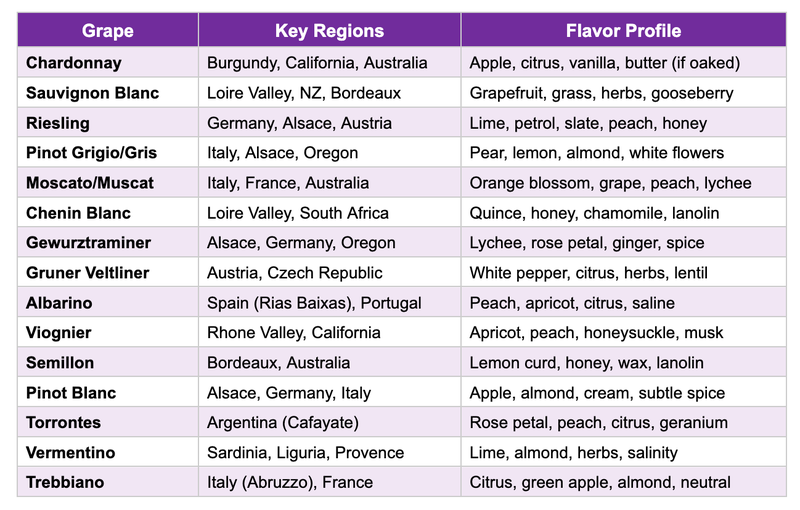
Detailed Grape Profiles
Chardonnay
The world's most planted white grape, Chardonnay is remarkably versatile. In Burgundy, it produces elegant, mineral-driven wines. In California, expect richer, oak-influenced styles with notes of butter and vanilla. Chablis showcases its purest expression with steel and citrus.
Sauvignon Blanc
Known for its vibrant acidity and distinctive herbaceous character, Sauvignon Blanc shines in New Zealand with intense tropical and grassy notes. Loire Valley versions are more restrained and mineral, while Bordeaux examples are often blended with Semillon.
Riesling
Germany's noble grape produces wines spanning bone-dry to lusciously sweet. Known for its aromatic intensity, Riesling offers notes of petrol, slate, peach, and lime. Its high acidity allows for exceptional aging potential, with top examples lasting decades.
Pinot Grigio/Gris
Italian Pinot Grigio is typically light and crisp, while Alsatian Pinot Gris is richer and more aromatic. Oregon produces excellent examples that balance both styles. This grape's slight pink skin can produce deeply colored wines when given extended skin contact.
Moscato/Muscat
One of the oldest grape families, Muscat is known for its intense floral and grapey aromatics. Italy's Moscato d'Asti is light and fizzy, while French Muscat de Beaumes-de-Venise is fortified and sweet. Dry versions are also produced in Alsace.
Chenin Blanc
The Loire Valley's signature white grape produces an incredible range of styles from bone-dry Savennieres to sweet Vouvray and sparkling Cremant de Loire. South Africa is now the world's largest producer, crafting excellent value-driven examples.
Gewurztraminer
Instantly recognizable by its intense lychee, rose petal, and exotic spice aromas, Gewurztraminer thrives in Alsace. Its name means 'spiced traminer' in German. Typically low in acidity with full body, it pairs beautifully with Asian cuisine.
Gruner Veltliner
Austria's signature grape offers distinctive white pepper and citrus notes with refreshing acidity. Light versions are perfect summer sippers, while reserve examples from top producers show remarkable depth and aging potential.
Albarino
Spain's Rias Baixas region produces aromatic, sea-influenced Albarino with notes of peach, apricot, and saline minerality. The grape is also grown across the border in Portugal as Alvarinho, used in Vinho Verde blends.
Viognier
This aromatic Rhone grape produces richly textured wines with notes of peach, apricot, and honeysuckle. Once nearly extinct, Viognier has been revived and is now grown worldwide. Condrieu is its most prestigious expression.
Semillon
A key grape in Bordeaux white blends and the essential component in Sauternes dessert wine, Semillon is waxy and full-bodied. Australia's Hunter Valley produces world-class age-worthy dry versions that develop complex honey and toast notes.
Pinot Blanc
A mutation of Pinot Noir, Pinot Blanc produces medium-bodied wines with apple, almond, and subtle spice notes. Popular in Alsace, Alto Adige, and Germany, it offers an accessible alternative to Chardonnay at often lower prices.
Torrontes
Argentina's signature white grape produces intensely aromatic wines with notes of rose petals, peach, and citrus. Despite its aromatic profile, most Torrontes is vinified dry. It thrives in high-altitude vineyards around Cafayate.
Vermentino
Mediterranean grape thriving in Sardinia, Liguria, and southern France (as Rolle). Vermentino offers bright citrus, herb, and almond notes with refreshing salinity. Perfect with seafood and Mediterranean cuisine.
Trebbiano
Italy's most planted white grape (known as Ugni Blanc in France) is typically neutral and high-acid. While often used for basic wines and brandy production, quality-focused producers craft excellent versions in Abruzzo as Trebbiano d'Abruzzo.
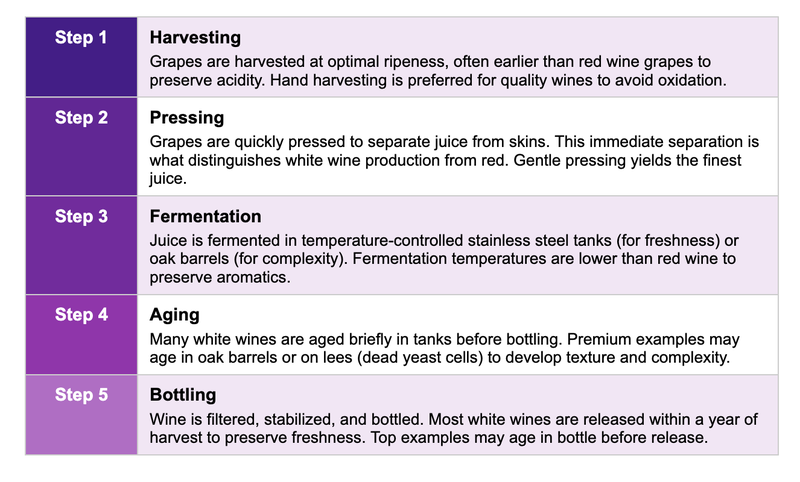
How Is White Wine Made?
The winemaking process for white wine differs significantly from red wine, focusing on preserving freshness, aromatics, and delicate flavors through careful temperature control and limited skin contact.
Serving Guide: Temperature & Glassware
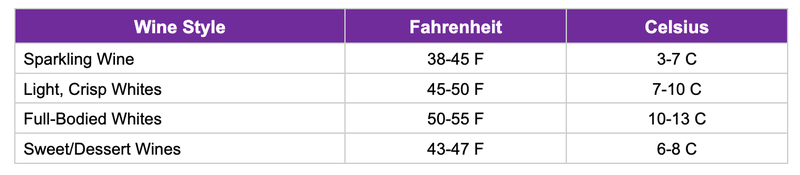
Proper serving temperature and glassware significantly impact your white wine experience. Serving too cold mutes aromatics, while too warm makes the wine flabby and alcoholic.
Ideal Serving Temperatures
Recommended Glassware
- Standard White Wine Glass: Medium bowl, narrower than red wine glasses to concentrate aromatics
- Chardonnay Glass: Wider bowl for full-bodied, oaked whites
- Champagne Flute: Tall, narrow to preserve bubbles and showcase effervescence
- Coupe (Vintage Style): Wide, shallow - looks elegant but loses bubbles quickly
- Dessert Wine Glass: Smaller pour size for concentrated sweet wines
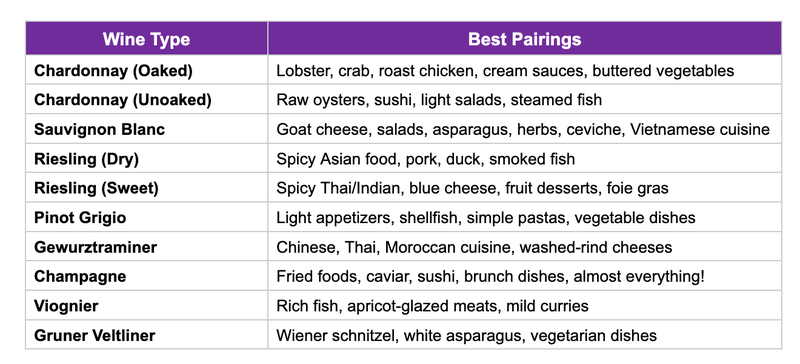
White Wine Food Pairings
White wine's acidity and lighter body make it an exceptionally versatile food partner. The key is matching the wine's weight and flavor profile with your dish.
General Pairing Principles
- Match weight: Light wines with delicate dishes, rich wines with hearty foods
- Complement or contrast: Echo flavors or provide refreshing contrast
- Consider acidity: High-acid wines cut through rich, fatty dishes
- Mind the sauce: The sauce often matters more than the protein
- Regional pairings: Local foods and wines evolved together for a reason
10 Best White Wine Bottles to Try
From exceptional everyday drinkers to prestigious collectible bottles, these selections represent the diversity and quality of white wine across all price ranges.
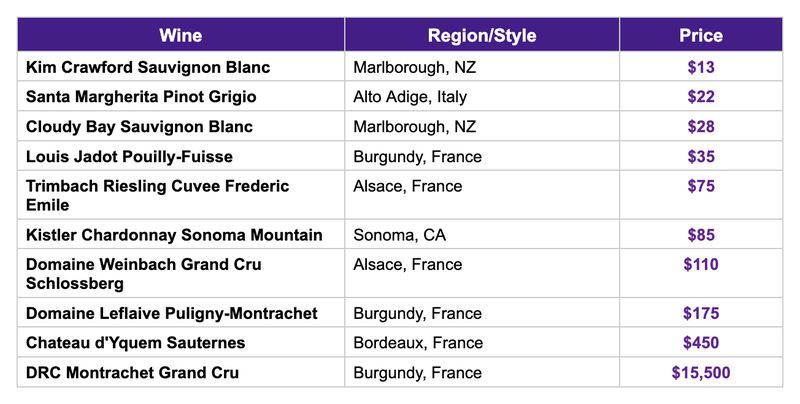
Investment Note:Premium white Burgundy and German Riesling have shown strong appreciation in the fine wine market. Collectors should focus on top producers with proven track records and proper storage conditions.
White Wine Calories & Health Benefits
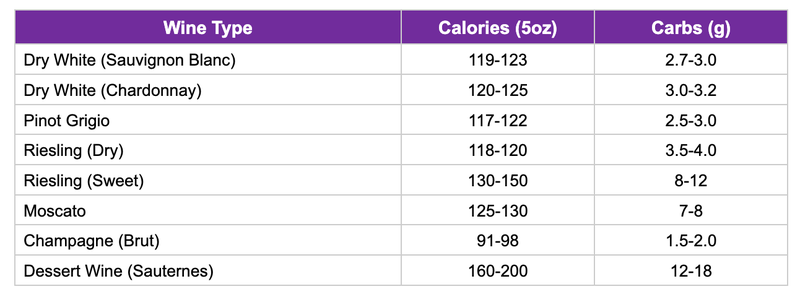
Understanding the nutritional aspects of white wine helps you make informed choices while enjoying this timeless beverage.
Calorie Content by Wine Type
Potential Health Benefits
When consumed in moderation (1 glass per day for women, 1-2 for men), white wine may offer several health benefits:
- Antioxidants: Contains tyrosol and hydroxytyrosol, which may protect heart health
- Heart Health: Moderate consumption associated with reduced cardiovascular risk
- Lung Function: Some studies suggest white wine may benefit lung tissue
- Lower Calorie Option: Generally fewer calories than cocktails and many beers
- Bone Health: Moderate wine consumption linked to improved bone mineral density
Health Considerations
- Sulfites: Naturally occurring and added as preservatives; rarely cause issues except for sensitive individuals
- Acidity: May aggravate acid reflux in sensitive individuals
- Sugar Content: Sweet wines contain more calories and sugar
- Alcohol Content: Typically 10-14% ABV; consume responsibly
- Calories Add Up: A standard bottle contains approximately 600-650 calories
Low-Calorie Wine Tips
- Choose brut sparkling wines (lowest sugar)
- Opt for dry European styles over New World fruit bombs
- Watch pour sizes - standard is 5oz, not a full glass
- Alternate with water to reduce consumption
- Check ABV - lower alcohol means fewer calories
Frequently Asked Questions
Q: How long does white wine last after opening?
A: Most white wines stay fresh for 3-5 days when recorked and refrigerated. Light, crisp whites may start declining after 3 days, while full-bodied, oaked whites can last up to 5-7 days. Sparkling wines lose their fizz within 1-3 days even with a proper stopper.
Q: Should all white wine be served chilled?
A: Yes, but the ideal temperature varies by style. Light, crisp whites and sparklings are best at 38-50 degrees F. Full-bodied whites like oaked Chardonnay are better at 50-55 degrees F. Serving too cold mutes aromatics, so let premium whites warm slightly before drinking.
Q: Can white wine age like red wine?
A: Absolutely! While most white wines are meant to be drunk young, certain styles age beautifully. Top white Burgundy, German Riesling, Sauternes, and white Loire wines can improve for decades. Key aging factors include high acidity, residual sugar, or quality oak aging.
Q: What is the difference between Pinot Grigio and Pinot Gris?
A: They are the same grape, but the names indicate style differences. Pinot Grigio (Italian style) is typically lighter, crisper, and more neutral. Pinot Gris (French/Alsatian style) is richer, more aromatic, and sometimes slightly sweet. Oregon uses both terms to indicate style.
Q: Why do some white wines taste oaky or buttery?
A: Oak aging and malolactic fermentation create these flavors. Oak barrels impart vanilla, toast, and spice notes, while malolactic fermentation converts sharp malic acid to softer lactic acid, creating buttery, creamy textures. Unoaked wines skip these processes for fresher, fruitier profiles.
Q: Is white wine made from white grapes only?
A: No! White wine can be made from red grapes because grape juice is typically colorless. The quick separation of juice from skins prevents color extraction. Famous examples include Blanc de Noirs Champagne made from Pinot Noir and Pinot Meunier.
Q: What causes white wine headaches?
A: Several factors may contribute: histamines (found in all wines), sulfites (rarely the culprit despite common belief), dehydration, or simply alcohol consumption. Choosing low-sulfite, organic wines and staying hydrated may help. Some people have better luck with red wines, others with white.
Q: How should I store white wine?
A: Store white wine horizontally in a cool (45-65 degrees F), dark place with consistent temperature. Humidity should be 60-70%. Wine fridges are ideal but a cool closet works for short-term storage. Avoid the kitchen refrigerator for long-term storage as it is too cold and dry.
Q: What is the best white wine for beginners?
A: Start with off-dry Riesling or Moscato for easy-drinking sweetness, or Pinot Grigio and unoaked Chardonnay for approachable dry options. New Zealand Sauvignon Blanc offers vibrant, recognizable flavors. Avoid overly complex or expensive wines until your palate develops.
Q: Is expensive white wine always better?
A: Not necessarily. Price reflects production costs, rarity, and brand prestige, not always quality. Excellent white wines exist at every price point. The best wine is one you enjoy. That said, premium prices often do reflect superior vineyard sites, lower yields, and more careful winemaking.