How to Invest in Dom Pérignon: Plénitude Strategy, Vintage Selection & Portfolio Construction (2026)
Dom Pérignon occupies a unique position in wine investment: it combines the brand recognition of a luxury consumer product with the scarcity dynamics of fine wine. While millions recognize the name, few understand how to systematically profit from holding Dom Pérignon in an investment portfolio.
This guide focuses specifically on Dom Pérignon as an investment vehicle — not as a celebratory purchase or gift. We'll cover the Plénitude aging system as an investment framework, vintage selection for maximum ROI, portfolio allocation strategies, and how Dom Pérignon compares to other prestige Champagne investments.
If you're looking for general information about Dom Pérignon's history, tasting notes, or serving suggestions, see our [main Dom Pérignon guide](/blog/dom-perignon). This article is for investors seeking to build wealth through strategic Champagne acquisition.
The Plénitude System: An Investment Framework
Dom Pérignon's Plénitude system isn't just marketing — it's an investment roadmap. Understanding how wines transition between Plénitudes reveals predictable value inflection points that sophisticated investors can exploit.
P1: First Plénitude (8-10 Years Aging)
The initial release represents Dom Pérignon at its first peak of expression. P1 wines are fresh, vibrant, and accessible — the "classic" Dom Pérignon experience that most consumers encounter.
2026 Pricing (P1 Releases):
- Current vintage (2015 Brut): $290-$320 retail
- Recent vintages (2012, 2013 Brut): $320-$450
- Current Rosé (2010): $460-$550
Investment Characteristics:
- Highest production volume (rumored 5+ million bottles annually)
- Most liquid market with global availability
- Lowest entry price per bottle
- Appreciation potential: 30-60% over 5-10 years as supply depletes
- Risk: Higher production means slower scarcity development
P1 Investment Strategy: Buy current vintage releases in case quantities (6-12 bottles), store professionally, and hold 7-10 years as the wine approaches P2 age. The transition period — when P1 supply diminishes but before P2 release — often sees accelerated appreciation.
P2: Second Plénitude (15-18 Years Aging)
After extended aging in Moët's cellars, P2 releases achieve what the house calls "energy that is both vital and precise." The wine has evolved, gaining complexity while maintaining freshness. P2 production is a fraction of P1 volume.
2026 Pricing (P2 Releases):
- P2 Brut (various vintages): $500-$1,200
- P2 Rosé: $1,500-$2,500+
Investment Characteristics:
- Dramatically limited production vs. P1
- Established scarcity premium built into release price
- Strong collector demand from connoisseurs
- Best balance of investment potential and drinking quality
- Appreciation potential: 40-100%+ over 5-10 years
P2 Investment Strategy: P2 represents the sweet spot for Champagne investment. Production is low enough to create genuine scarcity, but prices haven't yet reached trophy-wine levels. Focus on highly-rated vintages (2002, 2004, 2006) where critical acclaim amplifies collector demand.
P3: Third Plénitude (25+ Years Aging)
The ultimate expression — P3 releases represent Dom Pérignon at its zenith. Only exceptional vintages receive P3 treatment, and quantities are extremely limited (often just thousands of bottles globally).
2026 Pricing (P3 Releases):
- P3 Brut: $2,500-$4,000+
- P3 Rosé: $5,000-$6,000+
Investment Characteristics:
- Extremely rare (production in low thousands)
- Museum-piece status among collectors
- Trophy bottles for serious collections
- Appreciation potential: Varies widely; best vintages appreciate significantly
- Risk: High capital requirement, longer holding periods
P3 Investment Strategy: P3 is for established collectors with significant capital. These wines function as portfolio anchors — trophy holdings that demonstrate collection quality and provide potential appreciation over very long time horizons. Focus on legendary vintages (1990, 1996) with proven track records.
Vintage Selection for Investment Returns
Not all Dom Pérignon vintages appreciate equally. Critical acclaim, production volumes, and collector sentiment drive long-term returns.
Tier 1: Blue-Chip Investment Vintages
These vintages have established track records of appreciation and strong liquidity:
2008 — "Year of the century" across Champagne. Perfect conditions produced wines of exceptional structure and aging potential. Released out of sequence (after 2009) because the house believed it deserved more time. 96 points from both Wine Advocate and Wine Spectator.
Investment Thesis: The 2008 is a generational vintage with decades of evolution ahead. Current P1 prices represent an entry point before inevitable P2 premium.
2002 — Widely considered one of Dom Pérignon's greatest modern vintages. Already showing strong appreciation as P2 releases command premiums.
Investment Thesis: The 2002 P2 has demonstrated significant gains. Remaining P1 bottles will become increasingly scarce as P2 dominates collector attention.
2004 — Initially underrated on release, now recognized as exceptional. The 2004 P2 Rosé has shown 40%+ appreciation since release.
Investment Thesis: Value opportunity — less hype than 2002 or 2008, but similar quality. P2 transition creates appreciation catalyst.
1996 — Historic vintage still drinking magnificently. Trophy bottles when available. The 6-liter Methuselah 1996 Rosé Gold sold for $52,500 in 2010.
Investment Thesis: Established legend status. Limited supply means any bottles at reasonable prices represent opportunities.
Tier 2: Strong Investment Vintages
Excellent quality with solid appreciation potential:
2010 — Powerful, structured vintage with excellent long-term potential. P1 has shown 49% appreciation ($188 to $281) between October 2021 and August 2023.
2012 — Exceptional vintage that generated strong critical excitement. Current release with appreciation runway ahead.
2006 — Quality vintage approaching P2 transition. Solid investment at current P1 pricing.
Tier 3: Approach with Caution
These vintages may offer value but carry higher risk:
2007 — Good but not exceptional; overshadowed by legendary neighbors (2006, 2008)
2003 — Hot vintage produced atypical style that divided critics
2009 — Released before 2008; solid quality but less collector excitement
Rosé Premium Analysis
Dom Pérignon Rosé consistently commands 50-80% premiums over equivalent Brut vintages. For investors, Rosé offers:
Advantages:
- Lower production volumes (meaningful scarcity)
- Strong visual appeal driving gift/celebration demand
- Growing Asian market preference for rosé
- P2/P3 Rosé releases are extraordinarily rare
Considerations:
- Higher capital requirement per bottle
- Smaller trading market (fewer transactions)
- Color sensitivity requires careful storage (UV protection critical)
Rosé Investment Strategy: Allocate 20-30% of Dom Pérignon holdings to Rosé expressions, focusing on P2 releases where scarcity is most pronounced.
Historical Performance Data
Dom Pérignon has delivered strong investment returns with notable recession resilience:
Appreciation Examples
Wine | Period | Starting Price | Ending Price | Return
1993 P2 Brut | Nov 2021 - Apr 2023 | $346 | $4,870 | **+1,308%**
2010 Brut | Oct 2021 - Aug 2023 | $188 | $281 | **+49%**
1990 Oenothèque Rosé | 2023-2024 | — | — | **+41%**
2004 P2 Rosé | Since release | — | — | **+40%+**
Recession Resilience
During the 2008-2009 financial crisis — when equity markets collapsed 50%+ — Dom Pérignon prices dipped only 0.6% on average. This resilience reflects:
- Collector commitment to trophy holdings
- Global buyer diversification (no single-market dependency)
- Consumption-driven scarcity (supply only decreases)
- Luxury brand insulation from economic cycles
Auction Performance
Dom Pérignon commands consistent auction interest:
- 1959 Rosé (Shah of Iran provenance): $84,700 at Acker Merrall & Condit (2008)
- 1996 Rosé Gold Methuselah (6L): $52,500 (UK, 2010)
- 30-bottle Oenothèque Rosé lot: $170,000+ — world record for single Champagne lot (2020)
- 1921 vintage (3 bottles, Doris Duke cellar): $24,000+ (2004)
Portfolio Construction Strategy
Entry-Level Portfolio ($5,000-$15,000)
For investors beginning Dom Pérignon acquisition:
Allocation:
- 6 bottles current vintage P1 Brut (2015): ~$1,800
- 3 bottles recent P1 Brut (2012 or 2013): ~$1,200
- 2 bottles current Rosé P1: ~$1,000
- Remaining capital: Professional storage fees (3-5 years)
Strategy: Focus on building position in current releases. Store professionally from day one. Plan for 7-10 year holding period. Expected appreciation: 30-50% if vintages perform as expected.
Why This Works: Current vintage releases offer the lowest entry prices and longest appreciation runway. Professional storage establishes provenance from acquisition. The 7-10 year horizon aligns with the P1 → P2 transition when scarcity-driven appreciation typically accelerates.
Growth Portfolio ($25,000-$50,000)
For serious collectors building investment positions:
Allocation:
- 6-12 bottles P2 Brut (2002, 2004, or 2006): $6,000-$12,000
- 6 bottles current vintage P1 Brut: ~$1,800
- 3-6 bottles P1 Rosé: ~$1,500-$3,000
- 1-2 bottles P2 Rosé (if available): $3,000-$5,000
- Vertical collection (3+ vintages): $2,000-$4,000
- Storage and insurance reserve
Strategy: P2 forms portfolio core — these wines have established scarcity premiums and proven track records. P1 provides appreciation runway as supply depletes. Rosé adds scarcity premium. Verticals (same wine across multiple vintages) command collection premiums at auction.
Why This Works: P2 releases offer the optimal balance of established scarcity and reasonable capital requirements. The combination of P1 (appreciation potential) and P2 (proven performance) creates a barbell approach that captures both upside and stability.
Collector Portfolio ($100,000+)
For major collectors seeking comprehensive exposure:
Allocation:
- P3 holdings (1-3 bottles legendary vintages): $8,000-$15,000
- P2 Rosé (multiple vintages): $10,000-$20,000
- P2 Brut verticals (complete runs): $15,000-$30,000
- Large formats (magnums, Jeroboams): $10,000-$25,000
- Current release P1 (case quantities): $5,000-$10,000
- Historic vintages (1990s, 1980s): As available
Strategy: Trophy holdings (P3, historic vintages) anchor collection and demonstrate seriousness to auction houses. P2 provides growth engine with proven appreciation. Large formats command scarcity premiums and photograph impressively for catalog features. Comprehensive verticals demonstrate collection depth for eventual auction sale.
Why This Works: At this level, you're building a collection that auction houses will actively pursue. Trophy bottles (P3, Oenothèque) attract catalog features and premium placement. The combination of depth (verticals) and breadth (multiple Plénitude levels) signals serious collecting that commands buyer attention.
Rebalancing Considerations
Review portfolio annually:
- Overweight P1? Consider selling appreciated bottles as they approach P2 age
- Underweight Rosé? Add during market softness or when new releases available
- Missing key vintages? Set auction alerts for gaps
- Storage costs rising? Evaluate whether holdings justify ongoing expense
Dom Pérignon vs. Other Prestige Champagne Investments
How does Dom Pérignon compare to alternative Champagne investments?
vs. Louis Roederer Cristal
Factor | Dom Pérignon | Cristal
Brand Recognition | Higher (mainstream luxury) | High (collector-focused)
Production Volume | Higher (~5M bottles) | Lower (~400K bottles)
Entry Price (P1/current) | $290-$320 | $300-$350
Rosé Scarcity | Moderate | Very High
Appreciation History | Strong | Very Strong
Liquidity | Excellent | Very Good
Verdict: Cristal offers potentially higher appreciation due to lower production, but Dom Pérignon provides superior liquidity and brand recognition. Diversified portfolios should include both.
vs. Krug
Factor | Dom Pérignon | Krug
Vintage Focus | Always vintage | Multi-vintage core
Production | Higher | Lower
Entry Price | $290-$320 | $250-$300 (MV); $350-$500 (vintage)
Aging System | Plénitude (P1/P2/P3) | Edition-based
Collector Profile | Broader | More specialized
Verdict: Krug appeals to connoisseurs; Dom Pérignon to broader collector base. Both merit portfolio inclusion, with Dom Pérignon offering more predictable Plénitude-driven appreciation catalysts.
vs. Salon
Factor | Dom Pérignon | Salon
Production | ~5M bottles | ~60,000 bottles
Vintage Frequency | Most years | ~3 per decade
Entry Price | $290-$320 | $600-$800
Scarcity | Moderate | Extreme
Liquidity | Excellent | Good
Verdict: Salon offers extreme scarcity but higher capital requirements and lower liquidity. Dom Pérignon provides more accessible entry and predictable trading.
Special Editions and Limited Releases
Beyond the standard Plénitude releases, Dom Pérignon produces special editions that warrant investor attention:
Artist Collaborations
Dom Pérignon has partnered with numerous artists for limited-edition packaging:
Lady Gaga Collection (2021, 2023):
- Special packaging for 2010 and 2013 vintages
- Enhanced collectibility for packaging enthusiasts
- Standard wine quality inside special bottles
- Investment view: Premium for packaging is modest; wine appreciation follows standard trajectory
Jeff Koons Rosé (2013):
- Artistic balloon dog-inspired packaging
- Limited production
- Current pricing: $600-$750
- Investment view: Collector interest supports modest premium
David Lynch Collaboration:
- Bottle redesign and advertising campaign
- Enhanced brand visibility
- Investment view: Marketing rather than scarcity driver
Andy Warhol Tribute Collection (2002 vintage):
- Pop art-inspired limited edition
- Current pricing: $650-$750
- Investment view: Packaging collectibility; wine quality is primary value
Vintage-Specific Releases
Some vintages receive special treatment:
Oenothèque/Plénitude Program: Extended aging in Dom Pérignon cellars before release. These P2 and P3 expressions command significant premiums.
Reserve de l'Abbaye: Ultra-premium expression with longer aging. 2002 vintage currently $1,200-$1,500.
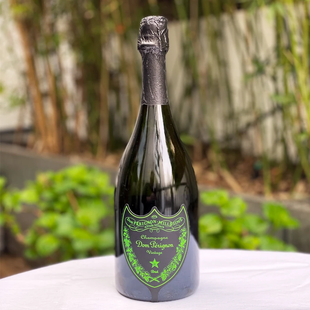
Luminous Label: Glow-in-the-dark labels for nightclub/event market. Premium for novelty rather than wine quality.
Investment Implications
Special editions can appreciate, but focus on:
Wine quality first: Packaging doesn't improve the liquid
Documented scarcity: Verify production numbers
Collector demand: Some collaborations resonate more than others
Storage considerations: Special packaging may require additional protection
Market Dynamics and Global Demand
Geographic Demand Patterns
Asia-Pacific (especially Hong Kong, China, Japan):
- Fastest-growing market for prestige Champagne
- Strong gift-giving culture supports Dom Pérignon
- Rosé particularly popular
- P2/P3 releases command premium positioning
North America:
- Mature market with established collector base
- Restaurant on-premise drives brand awareness
- Auction market active in New York
Europe (UK, France, Germany):
- Traditional markets with deep history
- UK particularly active at auction
- French market focused on consumption
Middle East:
- Growing luxury market
- Dubai and Abu Dhabi emerging as collection hubs
- Premium expressions in high demand
Supply Dynamics
Production Stability: Dom Pérignon produces approximately 5 million bottles annually (estimated). This is fixed by vineyard capacity and vintage declaration philosophy.
Vintage Declarations: Dom Pérignon doesn't declare vintages in weak years. Recent non-declared years: 2001, 2011. This creates supply gaps that affect adjacent vintages.
Consumption Depletion: Unlike most assets, wine gets consumed. Every bottle opened permanently reduces global supply. This consumption-driven scarcity accelerates over time.
Plénitude Transitions: As P1 supply depletes and P2 releases absorb attention, supply dynamics shift. Understanding these transitions helps timing decisions.
Buying and Selling Dom Pérignon
Acquisition Channels
Retail Purchase (current releases):
- Wine.com, K&L Wine Merchants, Total Wine
- Best for: P1 current vintage acquisition
- Advantages: Immediate availability, competitive pricing
- Considerations: Provenance begins with your purchase
Auction Houses (older vintages, P2/P3):
- Sotheby's, Christie's, Acker Merrall & Condit, Zachys
- Best for: P2, P3, historic vintages, large formats
- Advantages: Established provenance, competitive pricing
- Considerations: Buyer's premium (20-25%), shipping costs
Specialist Retailers (allocated/rare expressions):
- Berry Bros. & Rudd, Hedonism, Millesima
- Best for: P2/P3 releases, special editions
- Advantages: Expert curation, storage options
- Considerations: Premium pricing
Investment Platforms (managed approach):
- Vinovest and similar platforms
- Best for: Hands-off investors seeking Champagne exposure
- Advantages: Authentication, storage, portfolio management, exit assistance
- Considerations: Management fees
Exit Strategies
Auction Consignment: Best for collections, verticals, rare bottles. Expect 10-15% seller's commission plus potential buyer's premium share.
Private Sale: Higher net proceeds but requires finding qualified buyers. Works best for established collectors with networks.
Platform Liquidation: Vinovest and similar platforms facilitate sales. Lower friction but potentially lower prices than auction for exceptional bottles.
Consumption: Unlike most investments, wine can be enjoyed. Factor "drinking option" into return calculations — even if prices fall, you own exceptional Champagne.
Risk Factors
Storage Risk: Improper storage destroys value. Professional bonded storage is essential for investment bottles. Temperature fluctuations, UV exposure, and vibration can permanently damage Champagne — even a few days of poor conditions can affect bubble quality and freshness.
Authentication Risk: Counterfeits exist, particularly for historic vintages. Buy from reputable sources with provenance documentation. Dom Pérignon's high recognition makes it a target for counterfeiters.
Market Risk: Champagne prices can decline during severe economic downturns (though Dom Pérignon has shown resilience). The 2008-2009 crisis saw minimal impact, but unprecedented events could affect luxury markets.
Concentration Risk: Dom Pérignon is one producer from one house. Diversify across Champagne houses (Krug, Cristal, Salon) and wine regions (Burgundy, Bordeaux) for portfolio balance.
Liquidity Risk: While Dom Pérignon is liquid by wine standards, selling requires auction consignment or finding buyers. Plan for 2-8 week sale processes. This is not a daily-traded asset.
Vintage Risk: Not all vintages appreciate equally. Critical reception, production volumes, and collector sentiment vary. Research thoroughly before acquisition.
Storage and Insurance Considerations
Professional Storage Requirements
Investment-grade Dom Pérignon requires precise storage conditions:
- Temperature: 50-55°F (10-13°C), rock-stable with no fluctuation
- Humidity: 65-75% to prevent cork drying
- Light: Complete darkness essential — UV is particularly damaging to Champagne
- Position: Horizontal to keep cork moist
- Vibration: Minimal; bubbles are sensitive to disturbance
Cost Calculation: Professional bonded storage typically costs $15-$25 per case annually. For a 10-year hold, factor $150-$250 per case into return calculations.
Insurance Coverage
Investment bottles should be insured against:
- Breakage during storage or transit
- Theft
- Climate control failure
- Natural disasters
Most bonded warehouses include basic insurance. For high-value holdings (P3, historic vintages), consider supplemental coverage.
Bonded vs. Non-Bonded Storage
Bonded Storage (recommended for investment):
- Duty and VAT deferred until withdrawal
- Superior provenance documentation
- Professional conditions guaranteed
- Insurance included
- Facilitates international sales
Home Storage (not recommended for investment):
- Immediate access for drinking
- No ongoing fees
- Risk: Conditions rarely meet investment standards
- Risk: Provenance concerns for eventual sale
Tax Considerations
Wine investment has specific tax implications that vary by jurisdiction:
United States
- Wine held over one year qualifies for long-term capital gains treatment
- Collectibles tax rate may apply (up to 28%)
- No tax due while wine remains in storage
- Consult tax advisor for specific situations
United Kingdom
- Wine may qualify as "wasting asset" (exempt from Capital Gains Tax)
- HMRC rules are complex; professional advice recommended
- VAT implications on purchase and sale
- Bonded storage defers VAT until withdrawal
International Considerations
- Cross-border sales may trigger import duties
- VAT/GST implications vary by country
- Proper documentation essential for tax efficiency
Market Timing Considerations
When to Buy
Optimal Buying Windows:
- Current vintage release: Lowest prices, longest appreciation runway
- Market corrections: Fine wine markets occasionally decline; these create buying opportunities
- P2 release: Scarcity established, appreciation catalyst beginning
- Off-peak auction seasons: Less competition may yield better prices
Avoid Buying:
- Immediately before P2/P3 release (prices may already reflect anticipated premium)
- During speculative bubbles
- Without provenance documentation
When to Sell
Optimal Selling Windows:
- P2 transition period: Supply tightening creates urgency
- Major vintage anniversaries: 20th, 25th anniversaries generate collector interest
- Before new releases: Existing inventory peaks before new vintage captures attention
- Strong auction markets: Monitor Sotheby's, Christie's results for market sentiment
Avoid Selling:
- During market downturns (if possible)
- Without professional condition assessment
- Through non-specialist channels
Building Long-Term Wealth with Dom Pérignon
The 10-Year Strategy
For investors with decade-long time horizons:
Year 0-1: Acquire current vintage P1 at release pricing. Establish professional storage. Purchase 12-24 bottles for meaningful position.
Year 2-3: Add P2 releases of proven vintages. Begin Rosé allocation. Document all provenance.
Year 4-5: Monitor P1 holdings approaching P2 age. Consider adding to position if prices remain attractive. Review portfolio allocation.
Year 6-7: P1 holdings entering optimal transition window. P2 holdings appreciating. Consider partial liquidation of P2 if prices exceed expectations.
Year 8-10: Original P1 holdings now P2-age. Evaluate hold vs. sell based on market conditions. Reinvest proceeds into next cycle if appropriate.
Compounding Through Reinvestment
Wine investment can compound through strategic reinvestment:
Sell appreciated P2 holdings
Reinvest proceeds into current vintage P1 at release
Repeat cycle as P1 → P2 transition creates new appreciation
This approach requires discipline and long-term commitment, but can generate meaningful wealth accumulation over multiple decades.
The Bottom Line
Dom Pérignon offers a compelling combination of brand recognition, proven appreciation, and structural investment advantages through the Plénitude system. The predictable P1 → P2 → P3 transition creates identifiable value inflection points that systematic investors can exploit.
For 2026, focus on:
- 2008 and 2012 vintages approaching or entering P2 transition
- P2 releases (2002, 2004, 2006) offering established scarcity at accessible prices
- Rosé expressions for scarcity premium and portfolio diversification
- Professional storage from acquisition through exit
The combination of recession resilience (+0.6% decline vs. 50%+ equity collapse in 2008-2009), proven appreciation (1993 P2 +1,308%), and global liquidity makes Dom Pérignon a cornerstone holding for serious Champagne portfolios.
Unlike speculative investments, Dom Pérignon offers a unique "consumption option" — if markets decline, you still own some of the world's finest Champagne. This downside protection, combined with upside appreciation potential, makes Dom Pérignon an attractive component of diversified alternative investment portfolios.
Build a Champagne position with Vinovest. Get portfolio guidance, tracking, and hands-on support as you buy and hold over time.