Pink Champagne: The Complete Guide to Rosé Champagne Styles, Producers & Investment (2026)
Pink Champagne — or rosé Champagne as it's properly called — has evolved from an afterthought to one of the most sophisticated expressions of the Champagne region. With top cuvées like Dom Pérignon Rosé and Cristal Rosé commanding $500 to $5,000+ per bottle, rosé Champagne has become both a luxury indulgence and a serious investment category.
Once dismissed as frivolous compared to "serious" blanc Champagne, rosé now accounts for approximately 10-11% of total Champagne production and commands significant premiums over its white counterparts. The finest examples age beautifully for decades, develop remarkable complexity, and fetch record prices at auction.
This guide covers everything you need to know about pink Champagne in 2026: how it's made, the best producers across all price points, current market pricing, food pairing, cellaring advice, and why collectors and investors are increasingly drawn to these stunning wines.
Further reading
- Fancy a blush wine? Try some of the Best Rose Wines in 2021.
- Or if you are a red wine lover, try these Luscious Shiraz or Classic Chateauneuf du Pape Wines.
How Pink Champagne Is Made
Rosé Champagne achieves its beautiful salmon-pink to copper-orange hue through one of two methods. Understanding these production techniques helps explain style differences between houses and why certain bottles command premium prices.
The Saignée Method (Skin Contact)
The traditional winemaking approach: red Pinot Noir or Pinot Meunier grapes spend brief time macerating with their skins before pressing. The juice absorbs color, tannin, and phenolic compounds during this "bleeding" (saignée) process — typically 12-72 hours of skin contact.
Characteristics:
- Often deeper, more saturated color
- More structured, vinous character with noticeable body
- Red fruit flavors tend toward cherry, raspberry, and cranberry
- Sometimes slight tannin presence on the finish
- Can be more variable vintage to vintage
- Generally requires more winemaking skill to execute perfectly
Notable Producers Using Saignée:
- Laurent-Perrier Cuvée Rosé (100% Pinot Noir, 48-72 hours maceration)
- Taittinger Comtes de Champagne Rosé (100% Grand Cru Pinot Noir)
- René Geoffroy Rosé de Saignée
- Larmandier-Bernier Rosé de Saignée
- Egly-Ouriet Brut Rosé
Production Share: Approximately 10% of rosé Champagne uses the saignée method
The Blending Method (Assemblage)
A small percentage of still red wine (usually from Pinot Noir, typically 10-20% of the blend) is added to white base wine before secondary fermentation in bottle. While this might sound like "cheating" to wine purists, it's actually the preferred method for most prestige houses because it allows precise control over color intensity and flavor profile.
The red wine used for blending is itself a serious product — typically made from the finest Pinot Noir grapes and vinified with care. Houses like Krug and Dom Pérignon consider their blending red wines to be among their most precious cellar resources.
Characteristics:
- Often more delicate, elegant expression
- Consistent style vintage to vintage
- Red fruit flavors tend toward strawberry, red currant, and wild raspberry
- Seamless integration of color without extracted tannins
- More precise house style expression
- Allows winemaker maximum control
Notable Producers Using Blending:
- Dom Pérignon Rosé (carefully calibrated for each vintage)
- Krug Rosé (multi-vintage blend for ultimate consistency)
- Louis Roederer Cristal Rosé
- Bollinger Rosé
- Veuve Clicquot La Grande Dame Rosé
Production Share: Approximately 90% of rosé Champagne uses the blending method
Important Legal Note: Champagne is the only major French wine region where blending red and white wines to create rosé is permitted for quality wines. Elsewhere in France (Provence, Languedoc, etc.), this practice is prohibited for AOC/AOP wines. This exception reflects Champagne's unique production methods, climate challenges, and historical precedent.
The Grapes Behind Pink Champagne
Pinot Noir: The primary grape for rosé Champagne color and structure. Grand Cru villages like Ambonnay, Bouzy, and Ay produce the finest Pinot Noir for prestige rosé cuvées. Contributes body, red fruit character, and aging potential.
Pinot Meunier: Adds fruitiness, roundness, and immediate appeal. More common in non-vintage and entry-level rosés. Excellent for creating approachable, drink-now styles.
Chardonnay: Provides acidity, elegance, freshness, and aromatic lift. Even rosé Champagnes typically contain significant Chardonnay (often 30-45%) for balance and longevity.
Pink Champagne Styles and Sweetness Levels
Like all Champagne, rosé expressions range from bone-dry to sweet. The dosage (sugar added at disgorgement) determines final sweetness:
Designation | Residual Sugar | Character
Brut Nature/Zero Dosage | 0-3 g/L | Bone-dry, uncompromising purity
Extra Brut | 0-6 g/L | Very dry, precise, mineral
Brut | 0-12 g/L | Dry (most common prestige style)
Extra Dry/Extra Sec | 12-17 g/L | Off-dry, hint of sweetness
Sec | 17-32 g/L | Lightly sweet
Demi-Sec | 32-50 g/L | Sweet, dessert-friendly
Doux | 50+ g/L | Very sweet (extremely rare)
Most prestige rosé Champagnes are Brut or Extra Brut, balancing fruit expression with crisp acidity. The trend toward lower dosage has accelerated, with many houses now offering Brut Nature expressions.
The Best Pink Champagne Producers: 2026 Pricing Guide
Prestige Cuvées (Top-Tier Rosé Champagne)
Dom Pérignon Rosé — $460-$550 (current 2010 vintage)
The pink expression of Moët & Chandon's legendary flagship. Dom Pérignon Rosé is aged minimum 10-12 years before release (longer than the Brut), developing remarkable complexity while maintaining vibrant freshness. The 2010 vintage (current release as of early 2026) offers notes of blood orange, exotic spice, and wild strawberry with exceptional mousse quality.
P2 Rosé expressions (aged 18+ years) represent some of the rarest Champagnes in existence, commanding $1,500-$2,500+. The 2004 P2 Rosé has shown 40%+ appreciation since release.
Investment Performance: The 1993 Dom Pérignon P2 Brut appreciated 1,308% between 2021-2023. Rosé expressions, being rarer, often outperform. The 1990 Oenothèque Rosé gained 41% in 2023-2024 alone.
Louis Roederer Cristal Rosé — $700-$850 (current vintage)
Perhaps the most investment-worthy rosé Champagne. Cristal Rosé is produced in extremely limited quantities (a fraction of regular Cristal production, which itself is only ~400,000 bottles in declared vintages). The wine is aged 6+ years on lees, disgorged, then aged additional years before release.
The 2015 vintage offers crystalline finesse with notes of white strawberry, rose petal, and crushed stone. James Suckling awarded 97 points.
Investment Performance: The 1988 Cristal Rosé appreciated 45% from $1,105 to $1,605 between 2021-2022. The 2013 vintage rose 56% from $361 to $563 between 2020-2022. At January 2025 auction, the 2008 Cristal Rosé magnum sold for €876 (+35% vs. estimate).
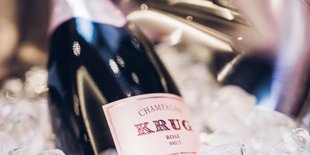
Krug Rosé — $350-$450 (non-vintage)
Unlike most houses, Krug produces only a multi-vintage Rosé (no vintage-dated expression). This allows for extraordinary consistency — each release blends reserve wines from multiple years with a small proportion of Pinot Noir from Ay. Six or more years aging produces layered complexity: candied ginger, wild strawberry, spice, and brioche.
Arguably the most gastronomically versatile prestige rosé, equally at home with sushi, duck, or aged cheese.
Taittinger Comtes de Champagne Rosé — $300-$400
100% Grand Cru Pinot Noir from Ambonnay, Bouzy, and Mailly, vinified using the saignée method. This is one of few prestige rosés made entirely by skin contact rather than blending. The result is structured, age-worthy, with beautiful salmon-pink color and intense red berry character.
Veuve Clicquot La Grande Dame Rosé — $250-$350
The prestige rosé from one of Champagne's most recognized houses. Elegant and refined, with excellent aging potential. The distinctive orange label commands gift-market premium.
Bollinger Rosé — $120-$150
Bollinger's NV Rosé (60% Pinot Noir, 24% Chardonnay, 16% Pinot Meunier) offers remarkable complexity for its price point. Partial fermentation in oak barrels adds depth. The vintage rosé (when produced) commands $200-$300.
Grand Marque Rosés (Excellent Quality, Strong Value)
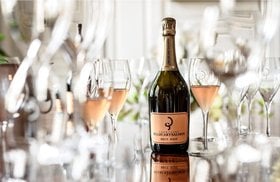
Billecart-Salmon Brut Rosé — $90-$110
Widely considered the benchmark for non-vintage rosé Champagne. Pale salmon color with delicate mousse and notes of strawberry, cream, and citrus. Remarkably consistent quality year after year. The Elisabeth Salmon Rosé (vintage, $250-$300) represents one of Champagne's finest pink wines.
Laurent-Perrier Cuvée Rosé — $90-$120
100% Pinot Noir made entirely by saignée (48-72 hours maceration), producing deeper color and more structured character than most NV rosés. The distinctive bottle shape and salmon-pink hue make it instantly recognizable.
Ruinart Rosé — $90-$120
The oldest Champagne house (1729) produces a delicate, elegant rosé with notes of red berries, rose petals, and pastry cream. Dom Ruinart Rosé (vintage, $300-$400) offers prestige quality at relative value.
Perrier-Jouët Blason Rosé — $60-$80
Floral and elegant, reflecting the house style. The Belle Époque Rosé ($300-$400) with its signature anemone flower bottle is among the most beautiful presentations in Champagne.
Moët & Chandon Rosé Impérial — $55-$75
Entry-level prestige rosé with wide availability. Strawberry and red fruit dominant, refreshing acidity. Solid choice for celebrations and a gateway to premium rosé Champagne.
Grower Champagnes (Récoltant-Manipulant): The Connoisseur's Choice
Beyond the grandes marques, small grower producers offer artisanal rosé Champagne with distinct terroir expression and allocation scarcity. These wines have increasingly attracted collector interest.
Jacques Selosse Rosé — $400-$600
Anselme Selosse's biodynamic, oxidative-style Champagne is unlike anything else. Extended aging, solera-influenced methods, and Burgundian winemaking philosophy create rosé of extraordinary complexity. Extremely allocated; waiting lists measure in years.
Egly-Ouriet Brut Rosé — $100-$150
Francis Egly's Grand Cru Ambonnay produces structured, age-worthy rosé with serious complexity — often compared to fine red Burgundy with bubbles. Excellent investment potential given rising recognition.
Larmandier-Bernier Rosé de Saignée Extra Brut — $70-$100
Biodynamic, zero-dosage style with pure fruit expression. Pierre Larmandier's meticulous approach yields rosé of crystalline purity. Increasingly collectible.
Pierre Gimonnet Rosé de Blancs — $50-$70
Unusual for being Chardonnay-dominant with added Pinot Noir red wine. Elegant, refreshing, aperitif-friendly style.
René Geoffroy Rosé de Saignée — $50-$70
Cumieres-based producer using traditional saignée method. Excellent introduction to artisanal rosé Champagne at accessible pricing.
Champagne Rosé by Price Tier (2026)
Tier | Examples | Price Range
Entry | Moët Rosé Impérial, Mumm Grand Cordon Rosé | $50-$75
Premium | Billecart-Salmon, Laurent-Perrier Cuvée Rosé | $90-$130
Prestige | Ruinart Dom Ruinart, Veuve La Grande Dame | $200-$400
Trophy | Dom Pérignon, Cristal, Krug | $350-$850
Ultra-Rare | Dom Pérignon P2/P3 Rosé, Cristal Vinotheque | $1,500-$5,000+
Auction Rarities | Dom Pérignon 1959 Rosé, historic vintages | $10,000-$85,000+
Investing in Rosé Champagne
Why Rosé Commands Investment Premiums
- Structural Scarcity
Rosé typically represents just 5-15% of any house's total production. While Louis Roederer produces approximately 400,000 bottles of Cristal Brut in declared vintages, Cristal Rosé production is dramatically smaller — estimates suggest just 15,000-40,000 bottles in most years. Dom Pérignon Rosé represents an even smaller fraction of total Dom Pérignon output.
Global rosé Champagne production accounts for only about 10-11% of total Champagne output, yet demand has grown exponentially.
- Higher Production Costs
Both production methods require additional investment:
- Saignée requires dedicated red grape vinification and risks lower yields
- Blending method requires producing premium still Pinot Noir red wine that could otherwise be sold separately
- Extended aging ties up capital and cellar space longer than blanc equivalents
- Quality control is more demanding due to color and flavor consistency requirements
- Consumption-Driven Scarcity
Every bottle opened permanently reduces global supply. Unlike art or collectibles, Champagne gets consumed — accelerating scarcity over time. This is particularly pronounced for older rosé vintages, where consumption has already depleted significant inventory.
- Growing Asian Demand
Rosé Champagne has become especially prized in Asian luxury markets. The combination of visual appeal, gifting suitability, and status recognition drives international demand and supports premium pricing. Hong Kong, Singapore, Taiwan, and mainland China are particularly strong markets.
- Visual Appeal in Digital Age
Instagram and social media have amplified rosé Champagne's appeal. The distinctive pink color photographs beautifully, driving younger collector interest and creating new demand from demographics previously underrepresented in fine wine collecting.
- Aging Potential Recognition
The wine world increasingly recognizes that prestige rosé Champagnes age as magnificently as their blanc counterparts — sometimes better. This has elevated rosé from "celebration wine" to "serious collector wine."
Investment Track Record
Dom Pérignon Rosé Performance:
- 1993 P2 Brut appreciated 1,308% ($346 to $4,870, November 2021-April 2023)
- 1990 Oenothèque Rosé: +41% (2023-2024)
- 2002 P2 Rosé: +40%+ since release
- 1959 Rosé: $84,700 auction record (Acker Merrall & Condit, 2008)
- 30-bottle lot of Oenothèque Rosé: $170,000+ world record (2020)
- 2010 Brut: +49% appreciation ($188 to $281, October 2021-August 2023)
- Recession resilience: During 2008-2009 financial crisis, Dom Pérignon prices dipped only 0.6%
Cristal Rosé Performance:
- 1988 vintage: +45% ($1,105 to $1,605, June 2021-December 2022)
- 2013 vintage: +56% ($361 to $563, February 2020-January 2022)
- 2008 vintage magnum: +35% above estimate at January 2025 auction (€876)
- 1976 vintage: €876 at January 2025 auction
- 1996 vintage: €576 at January 2025 auction
- Overall Cristal appreciation: ~40% during 2010s, trend continuing
Cult Wines Champagne Index: +81.74% since inception in January 2014, with rosé expressions generally outperforming blanc equivalents
Investment Strategy for Rosé Champagne
Blue-Chip Holdings (lowest risk, proven track record):
- Dom Pérignon Rosé P2 releases (any vintage 1990-2004)
- Louis Roederer Cristal Rosé (particularly 2008, 2012, 2013)
- Taittinger Comtes de Champagne Rosé (scarce, age-worthy)
Growth Potential (higher upside, requires expertise):
- Jacques Selosse Rosé (grower allocation scarcity)
- Egly-Ouriet Brut Rosé (rising recognition, Burgundy comparisons)
- Krug Rosé (non-vintage but consistently excellent, strong brand)
- Dom Pérignon current vintage Rosé (hold for P2 transition)
Value Opportunities:
- Recent Cristal Rosé releases (2013, 2014) before further appreciation
- Billecart-Salmon Elisabeth Salmon Rosé (undervalued relative to quality)
- Bollinger Rosé (strong house, accessible pricing)
Portfolio Allocation:
For a diversified Champagne investment portfolio, rosé should represent 15-25% of holdings, balanced with blanc expressions and verticals from top houses.
Holding Period: Plan for 8-15 year holds for meaningful appreciation. The transition from P1 to P2 (approximately 10 years) is a natural value inflection point for Dom Pérignon.
Food Pairing with Pink Champagne
Rosé Champagne's combination of red fruit character, crisp acidity, and subtle structure makes it remarkably versatile at table.
Classic Pairings
- Seafood: Salmon (the obvious match), tuna tartare, lobster, crab, seared scallops
- Poultry: Duck breast, roasted turkey, chicken with mushroom or cream sauces
- Asian Cuisine: Sushi, sashimi, dim sum, Thai cuisine, Vietnamese spring rolls
- Charcuterie: Prosciutto di Parma, saucisson, country pâtés, terrines
- Cheese: Aged Comté, Gruyère, mild blue cheeses, Brie de Meaux
Adventurous Pairings
- Lamb: Particularly with herb crusts or Mediterranean preparations
- Beef Tartare: The acidity cuts richness beautifully
- Strawberry Desserts: Echo the wine's fruit character
- Dark Chocolate: With high-cacao chocolate (70%+)
- Mushroom Dishes: Earthy flavors complement aged rosé
Serving Temperature
Serve rosé Champagne slightly warmer than blanc to allow aromatic complexity to express fully:
- NV Rosé: 46-50°F (8-10°C)
- Vintage/Prestige Rosé: 50-54°F (10-12°C)
Use white wine glasses rather than flutes for prestige cuvées — the wider bowl allows aromas to develop.
Cellaring Pink Champagne
Aging Potential by Style
Style | Drinking Window | Maximum Potential
NV Rosé | 1-3 years from purchase | 5-7 years
Vintage Rosé | 3-8 years from release | 12-18 years
Prestige Rosé | 5-15 years from release | 25-40+ years
P2/Vinotheque Rosé | 10-30 years from release | 50+ years
Storage Requirements
Rosé Champagne requires the same precise conditions as all fine wine:
- Temperature: 50-55°F (10-13°C), rock-stable with no fluctuation
- Humidity: 65-75% (prevents cork drying while avoiding mold)
- Light: Complete darkness essential — UV particularly damaging to rosé color
- Position: Horizontal to keep cork moist
- Vibration: Minimal; avoid locations near appliances or traffic
Professional Storage: For investment bottles, bonded warehouse storage provides optimal conditions, insurance, and provenance documentation.
The History of Pink Champagne
Early Period (17th-18th Century): Most Champagne was actually pink or light red — "œil de perdrix" (partridge eye) — because winemakers hadn't yet mastered techniques to produce clear white wine from red grapes. The colorless Champagne we know today came later through winemaking refinements.
19th Century: Madame Clicquot (Veuve Clicquot) pioneered both riddling (remuage) and the first intentionally crafted rosé Champagne using the blending method. Her innovations transformed Champagne production.
20th Century: Rosé remained a niche category until the 1990s, often dismissed as unsophisticated "ladies' Champagne." Billecart-Salmon's rosé helped change perceptions, demonstrating that pink Champagne could be serious wine worthy of critical attention.
21st Century: Rosé Champagne has surged in popularity and prestige. Production has grown from approximately 3% of total Champagne in 2000 to 10-11% today. Prestige rosé cuvées now command equal respect (and often higher prices) than their blanc equivalents.
Common Questions About Pink Champagne
Is pink Champagne sweeter than regular Champagne?
Not necessarily. Color doesn't indicate sweetness — look at the dosage designation (Brut, Extra Brut, etc.) on the label. Most prestige rosés are Brut (dry) or Extra Brut.
How long does opened pink Champagne last?
With a quality Champagne stopper, 1-3 days in refrigerator. Quality degrades as bubbles dissipate. Vacuum sealers are ineffective for sparkling wine.
Can I age pink Champagne?
Yes, though aging potential varies dramatically by style. Prestige cuvées from top houses age beautifully for decades. NV rosés are best consumed within 3-5 years of purchase.
Why is rosé Champagne more expensive than blanc?
Production costs are higher (whether through saignée or blending with expensive Pinot Noir still wine), production volumes are lower, aging requirements are often longer, and strong demand supports premium pricing.
What's the best pink Champagne for beginners?
Billecart-Salmon Brut Rosé or Ruinart Rosé offer excellent quality at accessible prices with wide availability. Both showcase the elegance of rosé Champagne without intimidating complexity.
Is rosé Champagne a good investment?
Top-tier rosé Champagne (Dom Pérignon P2 Rosé, Cristal Rosé, grower allocations) has demonstrated strong appreciation. However, only prestige and vintage expressions appreciate meaningfully — NV rosé is for drinking, not investing.
How to Buy Investment-Grade Rosé Champagne
Building Allocation Access
The finest rosé Champagnes — particularly prestige cuvées — are allocated, meaning access depends on relationships rather than simple purchasing power.
Strategies for Allocation Access:
- Establish long-term relationships with fine wine retailers through regular purchases
- Join restaurant wine programs that offer access to allocated wines
- Work with specialist Champagne importers who control prestige allocations
- Consider moving to auction markets for immediate access to rare bottles
Most Allocated Rosé Champagnes (requiring relationships or secondary market):
- Jacques Selosse Rosé (virtually impossible without direct relationship)
- Dom Pérignon P2/P3 Rosé (extremely limited releases)
- Cristal Rosé (allocated to top accounts only)
- Egly-Ouriet Rosé (small production, loyal customer base)
Auction Strategy for Rosé Champagne
For investment purchases, auction provides provenance documentation and competitive pricing:
Leading Auction Houses for Champagne:
- Sotheby's (major Champagne sales in London, New York, Hong Kong)
- Christie's (global network with Champagne expertise)
- Acker Merrall & Condit (strong Champagne catalogs)
- Zachys (regular Champagne offerings)
- Hart Davis Hart (Chicago-based with excellent selection)
Auction Best Practices:
- Focus on original packaging (OC/OWC) for provenance verification
- Review condition reports carefully for fill levels and label condition
- Factor buyer's premium (20-25%) into your maximum bids
- Research recent comparable sales before bidding
- Consider buying verticals (multiple vintages) for collection premium potential
Investment Platform Approach
Platforms like Vinovest provide access to investment-grade Champagne with professional infrastructure:
- Authentication verification before purchase
- Climate-controlled bonded storage at optimal conditions
- Insurance coverage protecting your investment
- Portfolio management and diversification guidance
- Exit assistance and liquidity support when ready to sell
For investors without deep Champagne expertise or professional storage, platforms offer a managed approach to building rosé Champagne exposure with reduced operational complexity.
The Bottom Line
Pink Champagne has earned its place among the world's great wines. From everyday Billecart-Salmon to investment-grade Dom Pérignon Rosé P2, the category spans accessible luxury to trophy collecting.
For investors, rosé Champagne's combination of structural scarcity, consumption-driven supply reduction, strong demand across global markets, and proven appreciation history makes it increasingly attractive. The data speaks clearly: Cristal Rosé up 45-56% over 18-month periods, Dom Pérignon Rosé showing triple-digit gains for extended aging releases.
For wine lovers, rosé Champagne offers both celebration and sophisticated gastronomy. The best bottles deliver an experience that justifies their premium — luminous color, complex aromas, and a finish that lingers long after the last sip.
Whether you're buying your first bottle of pink Champagne or adding a rare P2 Rosé to your cellar, the category rewards exploration. Start with quality NV expressions to understand your preferences, then work upward to vintage and prestige cuvées. The finest rosé Champagnes are among the most memorable wines you'll ever taste.
Vinovest makes it a breeze for you to buy or invest in authentic pink Champagne bottles from anywhere in the world.
So, sign up now and start adding these rose sparklers to your wine portfolio right away!