
How to Start Investing in Fine Wine: Beginner's Guide
Investing in fine wine might sound like something reserved for collectors and connoisseurs, but it’s quickly becoming a mainstream alternative asset for investors looking to diversify beyond stocks and bonds. With a proven track record of long-term growth, low correlation to traditional markets, and resilience during economic downturns, fine wine offers both stability and upside potential. In this beginner’s guide, we’ll break down how wine investing works, what makes a bottle investment-grade, and how platforms like Vinovest make it easy to get started—whether you’re allocating a small portion of your portfolio or building a serious long-term strategy.v
Further reading
Wine Investing: The Complete Guide to Building a Wine Portfolio
Top 5 Fine Wine Regions for Investment Returns
Is Wine Inflation Proof? (How Prices Are Affected, How To Invest)
Investing in fine wine offers a unique way to diversify your portfolio with tangible assets that show stability and long-term growth. Over the past 10 years, fine wine investments, as tracked by the Liv-ex Fine Wine 1000 index, have risen by 146%. This market is appealing for its low correlation with traditional assets, making it a hedge against volatility.
Key Points to Know:
- Why Invest in Fine Wine?
Fine wine has delivered an average annual growth of 13% between 2010 and 2020, withstanding even economic downturns like the 2008 crisis better than equities. - Who Should Invest?
Ideal for long-term investors (5–10 years), those seeking portfolio diversification, and high-net-worth individuals. - Top Regions and Producers:
Focus on Bordeaux (Château Lafite Rothschild), Burgundy (Domaine de la Romanée-Conti), and Champagne (Dom Pérignon). These regions offer consistent returns due to scarcity, quality, and demand. - Starting Budget:
Begin with $2,500 or more, with storage costs starting at $18/month. Larger investments allow access to premium wines. - How to Begin:
Use platforms like Vinovest for buying, storing, and managing portfolios. They offer tailored options starting at $1,000.
Fine wine investing isn’t a quick win - it requires patience, proper storage, and market awareness. But with the right strategy, it’s a rewarding alternative asset.
Fine Wine Market Basics
The fine wine market thrives on three key principles: scarcity, provenance, and quality. These factors are the foundation for making informed investment decisions.
Top Wine Regions and Makers
France leads the way in the fine wine investment market, with Bordeaux alone making up 40% of the global trade by value [3]. Renowned estates like Château Lafite Rothschild and Château Margaux are known for delivering consistent returns, thanks to their reputation and aging potential.
Here’s a breakdown of key wine regions and their standout producers:
| Region | Notable Producers | Investment Appeal |
|---|---|---|
| Bordeaux | Château Lafite Rothschild, Château Margaux | Transparent pricing and extensive market data |
| Burgundy | Domaine de la Romanée-Conti, Domaine Leroy | Small production, high demand, and steady price growth |
| Champagne | Dom Pérignon P2 & P3, Krug Vintage | Gains value due to rarity and luxury market demand |
| Tuscany | Sassicaia, Ornellaia | Annual appreciation rates of 10–12% |
| Napa Valley | Screaming Eagle, Harlan Estate | Top vintages see 10–15% annual growth |
Burgundy, especially, has gained attention. Domaine de la Romanée-Conti (DRC) stands out, with a single bottle of its 1945 vintage selling for an astonishing US$558,000 in 2018 [2]. Next, let’s dive into what drives wine pricing.
Market Data and Pricing
Wine prices are shaped by several factors:
- Critic Scores and Reputation
High ratings from wine critics can significantly impact prices. For example, the difference between a 99-point and 100-point score for Bordeaux First Growth wines can exceed US$435 per case [4]. - Production Costs
The cost of vineyard land has skyrocketed. A 5.5-hectare plot in Barolo's Brunate vineyard, once valued at US$33,000, now fetches up to US$1.1 million per hectare [5]. - Market Dynamics
Consumer preferences shift over time. Bordeaux saw a surge in demand from China in 2011, but interest has since turned toward Burgundy and Champagne. The Liv-ex 100 index, which tracks fine wine prices, rose by 14.7% in the 12 months ending July 2021 [2].
"If the market is willing to pay 'XYZ' for a bottle of wine, then that is the price, be it low or high."
– Jeff Porter, Sommelier, Wine Educator, and Host of Sip Trip Italy [5]
Sticking with established producers while keeping an eye on emerging trends is a smart strategy for navigating this market.
First Steps: Goals and Money
Before diving into fine wine investing, it’s crucial to set clear financial goals and assess how much risk you’re comfortable with. Over the past 15 years, the fine wine market has delivered an average annual return of 10.6% [1]. This strong track record can serve as a guide as you choose the right wines and platforms for your portfolio.
Risk Level and Time Frame
Investing in fine wine requires careful planning, especially when it comes to timing and managing risks. Unlike stocks or bonds, wine offers unique stability and potential for long-term growth.
Here’s how your investment timeframe can shape your approach:
| Time Horizon | Expected Outcomes | Recommended Strategy |
|---|---|---|
| 3–5 years | Moderate growth potential | Focus on wines from established Bordeaux producers |
| 5–10 years | Best returns window | Diversify across regions and vintages |
| 10+ years | Maximum appreciation | Include rare, age-worthy wines |
Recent market trends show that buying after downturns can be highly rewarding. For example, following a 17.7% drop over 12–18 months, returns were positive in 11 out of 12 recovery periods [9].
Starting Budget
Your initial budget should align with your financial goals and account for essential costs like storage and insurance. While it’s possible to start with $2,500, a larger investment is often recommended for better returns.
Here’s a breakdown of investment levels to consider:
| Investment Level | Monthly Storage Cost | Recommended Portfolio Mix |
|---|---|---|
| $2,500 – $5,000 | $18 (7–9 cases) | Second wines from well-known Bordeaux estates |
| $5,000 – $12,500 | $25–$35 | A mix of Bordeaux and wines from emerging regions |
| $12,500+ | $40+ | Premium wines, including Grand Cru Burgundy |
"Fine wine has maintained stable growth throughout this period, with values continuing to rise with inflation, providing a safe‑haven asset for investors." [7]
For those starting with smaller budgets, here are some smart strategies:
- Focus on “second wines” from top Bordeaux estates
- Look into up-and-coming producers offering great value
- Target regions with strong growth, like Champagne (42.7% increase) and Burgundy (37.5% increase) [7]
Proper storage is critical. Professional storage facilities start at around $18 per month and are a must to protect your wine’s quality and value [8].
Buying Investment Wine
When planning your wine investment strategy, selecting and storing the right wines is essential for long-term gains.
What Makes a Wine Investment-Grade
Certain traits make a wine more likely to increase in value over time. Wines from well-known producers with a history of consistent quality are often the best choices. Here are some key factors to look for:
| Factor | Impact on Investment Value | Example |
|---|---|---|
| Producer Reputation | Shapes initial value | Dom Perignon, Dominus |
| Vintage Quality | Influences long-term value growth | Dom Perignon Luminous 2010 (30.7% return)[10] |
| Market Demand | Drives price increases | Dominus Napa Valley 2011 (30.6% return)[10] |
| Expert Ratings | Confirms potential as an investment | Domaine Anne-Francoise Gros, Beaune Premier Cru, Les Boucherottes 2017 (43.1% return)[10] |
Where to Buy Wine
To ensure authenticity and quality, purchase investment-grade wines through trusted platforms and dealers. Platforms like Vinovest simplify the process by offering services that cover everything from acquisition to professional storage. Here's what Vinovest provides:
| Investment Level | Annual Fee | Key Benefits |
|---|---|---|
| $1,000+ | 2.85% | Portfolio diversification and secure storage |
| $10,000+ | 2.7% | Broader portfolio options |
| $50,000+ | 2.5% | Access to premium wine selections |
| $250,000+ | 2.25% | Dedicated advisor and exclusive wines |
"An exceptional platform for those interested in diversifying their portfolio with fine wine, even with limited prior knowledge of wine investing." - Y.C., Vinovest Client [10]
Choosing reliable platforms ensures the wine's authenticity and provides a foundation for secure, long-term growth.
Storage and Protection
Proper storage is crucial to maintaining the value of your wine investment. A stable, climate-controlled environment with minimal light and vibration is ideal. Professional storage facilities not only meet these requirements but also offer full insurance coverage, protecting your investment.
"I dabbled in a few different alternative assets before investing in wine, but this experience has been far more satisfying than anything else I've tried. With Vinovest, I get full portfolio management and a great customer service team." - Jonathan M., Vinovest Client [10]
Portfolio Management
Managing a portfolio effectively means keeping an eye on market trends and making timely decisions. Here's how platforms like Vinovest can simplify the process and help you make the most of your investments.
Vinovest Platform Guide
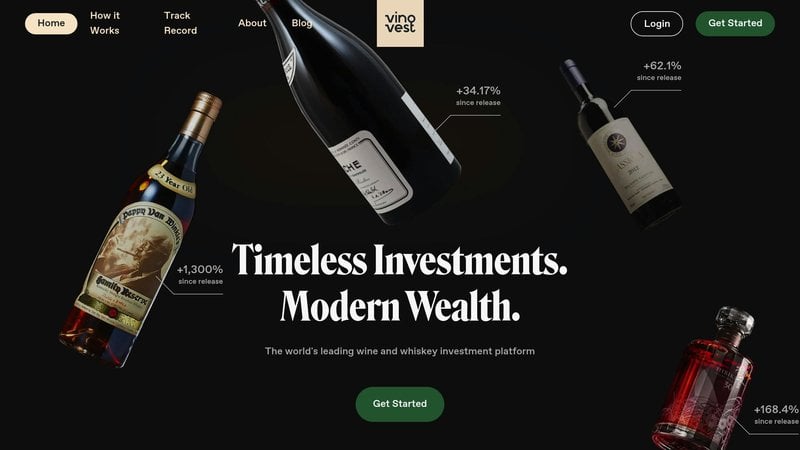
Vinovest offers tools designed to make portfolio management easier while providing clarity and precision to help grow your investments.
| Feature | Description | Benefit |
|---|---|---|
| Portfolio Creation | Expert-curated wine selections tailored to your goals and risk preferences | Helps align investments with your strategy |
| Storage Management | Access to a network of secure storage facilities | Protects your wine investments |
| Performance Tracking | Real-time updates with verification | Enables informed decisions |
One key advantage of Vinovest is its guidance on the ideal hold times for each wine, making it easier to plan and structure your portfolio.
"Amazing. Great assistance for this first-timer. Beautiful and detailed descriptions for the wine, as well as suggested hold time clearly listed for each holding. Brilliant! I am so glad I found you. Many thanks for all the work done behind the scenes to make it possible." - Theresa T. [10]
When to Buy and Sell
Once your portfolio is set up, knowing when to adjust your holdings is crucial. Most investment-grade wines reach their peak maturity between 4 and 10 years. Vinovest connects you with premium buyers to help you achieve the best possible returns.
Recent data highlights the strong performance of certain wines:
| Wine | Vintage | Annualized Return |
|---|---|---|
| Domaine Anne-Francoise Gros, Beaune Premier Cru, Les Boucherottes | 2017 | 43.1% |
| Dom Perignon Luminous | 2010 | 30.7% |
| Dominus Napa Valley | 2011 | 30.6% |
When deciding to sell, consider these factors:
- Wine maturity (typically 4–10 years)
- Market demand trends
- Current valuations
- Storage conditions and wine quality
For investors managing larger portfolios (over $250,000), Vinovest's portfolio advisors provide tailored insights to help determine the best times to buy or sell, ensuring you maximize your returns.
Summary and Next Steps
Ready to start investing in fine wine? Here's a simple roadmap to guide you:
To succeed, you'll need clear goals, proper storage, and a solid strategy. Platforms like Vinovest make it easy to begin with as little as $1,000, while other funds often require $10,000 or more [8]. Plan for a long-term commitment - 5 to 10 years is ideal for maximizing returns [6].
- Set Up Professional Storage: Professional storage costs around $18 per month for 7–9 cases [8]. Vinovest offers storage options that include authentication, insurance, and climate control. Once storage is arranged, focus on defining your investment approach.
- Choose Your Investment Method: Decide whether to manage your portfolio yourself or use Vinovest’s managed platform. Their fee structure looks like this:
| Investment Tier | Minimum Balance | Annual Fee |
|---|---|---|
| Starter | $1,000 | 2.5% |
| Plus | $10,000 | 2.35% |
| Premium | $50,000 | 2.15% |
| Grand Cru | $250,000 | 1.9% |
Your choice will influence how your portfolio is managed and the potential returns you can achieve.
Fine wine has shown resilience even during economic downturns. For example, during the 2008 recession, fine wine prices dropped only 10%, while global equity markets fell by over 40% [11].
"Unlike traditional investments where you might be left to navigate complex markets on your own, Vinovest portfolios are actively managed and strategically rebalanced to align with market trends, maximize returns, and minimize risk." [12]
Start by focusing on established wine regions like Bordeaux, Burgundy, and Champagne [11]. Stay informed about market trends and adjust your portfolio as needed to stay on track.