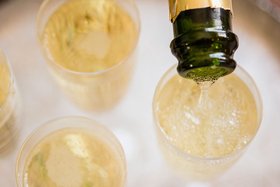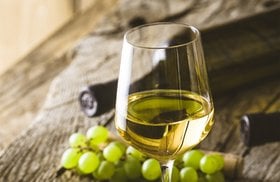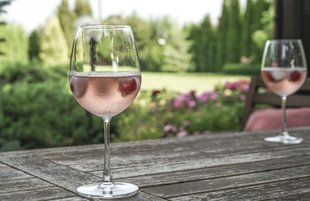
Moscato Calories: How Many Per Glass, Bottle & by Style (2026)
Quick answer: A standard 5 oz (148ml) glass of Moscato contains approximately 120–138 calories depending on style. Moscato d'Asti is lowest at ~107–121 cal. Still Moscato sits at ~123 cal. Pink Moscato runs ~137 cal. Red Moscato is highest at ~138 cal. Sugar and ABV are both contributors.
Moscato is one of the most beloved wines in the world precisely because it is approachable, sweet, and lower in alcohol than most other wines. But if you are watching your calorie intake, that sweetness matters — the sugar in Moscato contributes meaningfully to the calorie count in a way that dry wines do not.
This guide gives you precise calorie figures for every major Moscato style, a breakdown of exactly where those calories come from, how Moscato compares to other wines, and what to drink instead if you want fewer calories without giving up wine.
Further reading
- Find out more about Moscato Wine and the best bottles to buy.
- Read more about the Beautiful Wine Regions Of France!
Where Do Calories in Moscato Come From?
Wine calories come from two sources: alcohol and residual sugar. Both contain calories:
- Alcohol: 7 calories per gram
- Sugar (carbohydrates): 4 calories per gram
Most dry wines are almost entirely alcohol-driven in their calorie count, because residual sugar has been fully fermented. Moscato is different: its winemakers deliberately stop fermentation early, preserving high levels of natural grape sugar. This means Moscato carries calorie contributions from both sugar and alcohol.
The paradox: Moscato's lower ABV (5.5–8% for Moscato d'Asti vs 13–14% for Cabernet Sauvignon) means less alcohol-derived calories. But the high sugar adds significant carbohydrate calories. The net result is that Moscato has a broadly similar calorie count to dry wines — but the composition is completely different. A glass of Brut Champagne at 12.2% ABV is calorie-comparable to a glass of Moscato d'Asti at 5.5% ABV, even though the former has more than double the alcohol.
Moscato Calories by Style: Full Breakdown
|
Moscato Style | ABV |
Residual Sugar |
Calories per 5 oz Glass |
Carbs per Glass |
|---|---|---|---|---|
| Moscato d'Asti (sparkling, Italian) | 5–5.5% | ~100–130 g/L | ~107–121 cal | ~12–15g |
| Asti Spumante (fully sparkling) | 7–9% | ~80–100 g/L | ~115–125 cal | ~10–13g |
| Still Moscato (US, international) | 6–12% | Varies widely | ~120–130 cal | ~8–14g |
| Pink / Rosé Moscato | 5–7% | ~100–140 g/L | ~125–138 cal | ~13–17g |
| Red Moscato | 6–8% | ~120–150 g/L | ~135–145 cal | ~15–20g |
| Fortified Muscat (Liqueur Muscat) | 15–18% | Very high (200+ g/L) | ~180–220 cal | ~25–35g |
Note: All calories are approximate. Exact figures vary by producer. The most reliable source is always the producer's technical sheet or the nutritional label if one is provided on the bottle.
Moscato Calories by Brand
Brand matters — winemakers have significant latitude in how sweet and how alcoholic they make their Moscato. Here is a comparison of commonly available brands:
| Brand | Style | ABV | Serving Size |
Calories per Serving |
|---|---|---|---|---|
| Barefoot Moscato | Still Moscato | 9% | 5 oz (147ml) | ~127 cal |
| Barefoot Bubbly Pink Moscato | Sparkling Pink Moscato | ~8% | 5 oz (147ml) | ~125 cal |
| Barefoot Bubbly Rosé Moscato | Sparkling Rosé Moscato | ~8% | 5 oz (147ml) | ~137 cal |
| Risata Moscato d'Asti | DOCG Moscato d'Asti | 5.5% | 5 oz (148ml) | ~107–121 cal |
| Sutter Home Moscato | Still Moscato | ~8% | 5 oz | ~120–125 cal |
| Kirkland Signature Moscato d'Asti | DOCG Moscato d'Asti | 5.5% | 150ml | ~129 cal |
| Quady Electra Moscato | Still Moscato California | ~7% | 5 oz | ~150 cal (25g sugar) |
| Robert Mondavi Private Selection Moscato | Still Moscato | ~9% | 5 oz | ~125 cal |
Important note on Quady Electra: At 150 calories per serving with 25g of sugar, Quady Electra Moscato is among the highest-calorie standard Moscatos available. Its higher sugar content (25g per serving) is significantly above most Moscato d'Asti styles. If calorie management matters, be aware of this variance.
Moscato d'Asti: The Lowest-Calorie Moscato
Moscato d'Asti, produced in the DOCG zone of Piedmont, Italy, is the lightest Moscato you can buy. At 5–5.5% ABV, it has very little alcohol-derived calories. A 5 oz glass typically contains 107–121 calories — at the low end of the sparkling wine category, comparable to a glass of Brut Champagne.
The reason Moscato d'Asti is relatively low in calories despite its sweetness: the balance. Yes, residual sugar adds carbohydrate calories (~12–15g per glass), but the extremely low alcohol means almost no alcohol-derived calories. The result is a pleasant paradox: a visibly sweet wine with a calorie count close to a dry sparkling wine.
A standard 750ml bottle of Moscato d'Asti contains approximately 3 servings, giving a total bottle calorie count of approximately 320–360 calories. For context, a bottle of Brut Champagne contains approximately 500–550 calories.
Moscato Calories vs. Other Wines
| Wine | ABV |
Calories per 5 oz Glass |
Carbs per Glass | Sugar Level |
|---|---|---|---|---|
| Moscato d'Asti | 5.5% | ~107–121 cal | ~12–15g | High (sweet) |
| Still Moscato | 8–12% | ~120–130 cal | ~8–14g | High (sweet) |
| Brut Champagne | 12% | ~95–105 cal | ~1–2g | Very low (dry) |
| Sauvignon Blanc | 12.5% | ~120–125 cal | ~2–3g | Very low (dry) |
| Pinot Grigio | 12% | ~120–122 cal | ~2–4g | Very low (dry) |
| Cabernet Sauvignon | 13.5% | ~120–130 cal | ~2–4g | Very low (dry) |
| Pinot Noir | 13% | ~121–128 cal | ~2–4g | Very low (dry) |
| Riesling (off-dry) | 10% | ~118–128 cal | ~10–14g | Medium (off-dry) |
| Port / Ruby | 20% | ~140–160 cal (3 oz pour) | ~14–18g | Very high (sweet) |
| Prosecco (Extra Dry) | 11% | ~98–108 cal | ~3–5g | Low-medium |
The key insight: Moscato and dry wines end up at similar total calorie counts despite completely different composition. Dry wines get their calories almost entirely from alcohol; Moscato gets them from a combination of lower alcohol and higher sugar. If your goal is simply fewer total calories, Brut Champagne and Brut Prosecco are genuinely lower. If your goal is to understand what you are consuming, Moscato's calories come with actual sugar, while dry wine calories are essentially all ethanol.
Moscato and Keto / Low-Carb Diets
Moscato is not suitable for strict keto diets. The residual sugar in even the lightest Moscato d'Asti (12–15g carbohydrates per glass) would consume a large portion of the typical keto daily carb allowance of 20–30g. A single glass of Pink Moscato at 17g carbs could push a strict keto dieter over their daily limit.
If you want a sweet-tasting wine experience on a low-carb diet, the closest approximation is a Brut Rosé Champagne or Brut Rosé sparkling wine — the fruit and floral character can seem sweet while containing just 1–2g of carbohydrates per glass.
Low-carb alternatives to Moscato:
- Brut Champagne or Brut Cava: 1–2g carbs/glass, similar sparkle
- Brut Rosé: 2–3g carbs/glass, fruity and floral
- Dry Riesling: 2–4g carbs/glass with aromatic character
- Sauvignon Blanc: 2–3g carbs/glass, crisp and refreshing
How to Reduce Moscato Calories Without Giving It Up
If you love Moscato but want to manage calories, a few practical strategies:
- [object Object] A 4 oz glass (120ml) rather than 5 oz reduces calories by approximately 15–20%
- [object Object] Mix Moscato with sparkling water 1:1. You get the same flavour and aromas with half the calories per glass
- [object Object] Lower ABV and comparable sugar content makes it the lightest mainstream option
- [object Object] At 25g sugar/serving, these are at the high end of the Moscato calorie range
Does Moscato Have More Calories Than Other Alcoholic Drinks?
| Drink | Serving |
Approximate Calories |
|---|---|---|
| Moscato d'Asti | 5 oz | ~107–121 cal |
| Still Moscato | 5 oz | ~123–130 cal |
| Brut Champagne | 5 oz | ~95–105 cal |
| Light beer (4% ABV) | 12 oz | ~100–110 cal |
| Regular beer (5% ABV) | 12 oz | ~150–175 cal |
| Vodka soda | 1.5 oz vodka + soda | ~100 cal |
| Margarita (classic) | 4 oz | ~168–240 cal |
| Piña colada | 8 oz | ~500+ cal |
| Gin and tonic | 4 oz | ~170–200 cal |
| Red wine (Cabernet) | 5 oz | ~120–130 cal |
Moscato calories are broadly comparable to a glass of dry wine or a standard beer. It is significantly lower in calories than cocktails, which routinely add sugar-heavy mixers on top of the base spirit.
What to Look for on a Moscato Label
Wine labels in most countries do not require calorie or nutrition disclosure, but you can estimate from two pieces of information almost always available:
- [object Object] Higher ABV = more alcohol calories. Still Moscato at 12% has more alcohol calories than Moscato d'Asti at 5.5%
- [object Object] 'Dolce' or 'Amabile' = sweeter (more sugar calories). 'Secco' = drier. Most Moscato does not disclose exact g/L on the label
- [object Object] Many producers publish residual sugar data on their websites. Search 'producer name + tech sheet + residual sugar'
For the Barefoot and Sutter Home ranges, nutrition information is available on their websites and sometimes printed on back labels in states that require it.
Is Moscato Good for You?
Moscato contains the same antioxidants — including resveratrol from grape skins — found in other wines, though in lower concentrations than dry red wines due to shorter skin contact during production. The higher sugar content is a genuine consideration for those managing blood sugar or following low-carb diets.
Like all wines, Moscato is best enjoyed in moderation. The World Health Organization notes that no level of alcohol consumption is entirely risk-free, and the antioxidant benefits of wine are not a sufficient justification for increased consumption.
If you enjoy Moscato occasionally as part of a balanced diet, the calories are broadly comparable to other wine choices. The difference is in the composition: Moscato calories come with real sugar rather than being purely alcohol-derived.
Frequently Asked Questions
How many calories in a glass of Moscato?
A standard 5 oz glass of Moscato has approximately 120–138 calories depending on style. Moscato d'Asti (Italian DOCG) is lowest at 107–121 calories. Still Moscato averages around 123 calories. Pink and Red Moscato are highest at 125–145 calories.
How many calories in a bottle of Moscato?
A standard 750ml bottle of Moscato contains approximately 500–575 calories for most styles. Moscato d'Asti is lower at approximately 320–380 calories per bottle due to its much lower ABV. A bottle typically provides 5 standard pours (5 oz each) or more.
Is Moscato lower in calories than other wines?
Moscato d'Asti (5.5% ABV) has fewer total calories than most dry wines because its very low alcohol content offsets the sugar calories. Standard still Moscato at 8–12% ABV is broadly comparable to other wines in total calories, but contains significantly more sugar-derived carbohydrates.
Is Moscato good for a diet?
Moscato d'Asti is a reasonable choice for calorie-conscious wine drinkers at 107–121 cal/glass. However, its high carbohydrate content (12–15g/glass) makes it unsuitable for keto or very low-carb diets. For low-carb dieting, Brut Champagne or dry white wine is the better choice.
What Moscato has the fewest calories?
Moscato d'Asti DOCG from Piedmont, Italy — brands like Risata, Mionetto Moscato d'Asti, or La Gioiosa — at approximately 107–121 calories per 5 oz glass. Its combination of very low ABV (5.5%) and moderate sweetness makes it the lightest mainstream Moscato option.
Last updated: May 2026 | Vinovest editorial team | Calorie data sourced from Vinovest, Expert Wine Storage UK, iLoveWine, LipTouchFoods, and producer nutrition panels