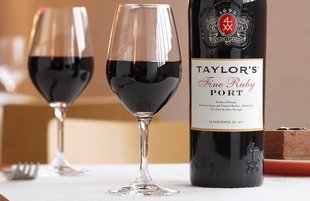
Ruby Port: The Complete Guide to Portugal's Beloved Fortified Wine (2026)
Ruby Port is Portugal's most approachable and widely enjoyed fortified wine — a vibrant, fruit-forward sweetheart that has delighted wine lovers for centuries. With its deep crimson color, luscious berry flavors, and natural sweetness, Ruby Port offers an accessible entry point to the world of Port wine while delivering genuine quality at remarkably affordable prices.
Whether you're new to Port, looking for the perfect dessert pairing, or curious about the differences between Ruby and Tawny styles, this comprehensive guide covers everything you need to know about Ruby Port in 2026.
Further reading
- Discover everything about Port Wine with this detailed guide.
- Also, check out the best Tawny Port wines and their investment potential.
What Is Ruby Port?
Ruby Port is a style of fortified wine produced exclusively in Portugal's Douro Valley. It gets its name from its brilliant ruby-red color, which is preserved through careful aging in large vessels that minimize oxygen exposure.
Key Characteristics:
- Color: Deep ruby red to purple, bright and vibrant
- Sweetness: Sweet, with 90-110 grams of residual sugar per liter
- Alcohol: 19-22% ABV (fortified with grape brandy)
- Body: Full-bodied with smooth, velvety texture
- Flavors: Fresh red and black berries, cherry, plum, chocolate
- Aging: Typically 2-3 years in large oak vats or stainless steel
Ruby Port is the youngest and most fruit-forward style of Port wine. Unlike Tawny Port, which ages for extended periods in small barrels and develops nutty, caramelized flavors, Ruby Port is designed to showcase the grape's primary fruit character.
How Ruby Port Is Made
The Fortification Process
All Port wine begins like regular red wine — grapes are harvested, crushed, and fermented. The magic happens during fermentation:
- Harvest: Indigenous Douro grapes (Touriga Nacional, Touriga Franca, Tinta Roriz, Tinta Barroca, Tinto Cão) are hand-harvested from steep, terraced vineyards.
- Fermentation: Grapes are crushed and fermentation begins, converting sugar to alcohol.
- Fortification: When approximately half the sugar has fermented (usually 2-3 days), grape brandy (aguardente) is added. This kills the yeast, stopping fermentation and preserving natural sweetness.
- Aging: The young Port rests in large oak vats, concrete tanks, or stainless steel — vessels that minimize oxygen contact and preserve the wine's bright fruit character and color.
- Blending and Bottling: After 2-3 years, the wine is blended for consistency and bottled, ready to drink.
Why Ruby Stays Ruby
The key to Ruby Port's color and freshness is its aging vessel. Large vats (called "balseiros" or "tonéis") expose minimal wine surface to oxygen, preventing the oxidation that would turn the wine brown and develop the nutty, dried-fruit character of Tawny Port.
Types of Ruby Port
Not all Ruby Port is created equal. Understanding the hierarchy helps you choose the right bottle:
Basic Ruby Port
- Aging: 2-3 years in large vats
- Character: Simple, fruity, approachable
- Price: $10-$18
- Best For: Casual drinking, cocktails, cooking
Reserve Ruby Port
- Aging: 4-6 years, highest-quality grapes
- Character: Deeper color, more concentrated fruit, greater complexity
- Price: $18-$30
- Best For: Sipping, cheese pairing, serious enjoyment
Late Bottled Vintage (LBV) Port
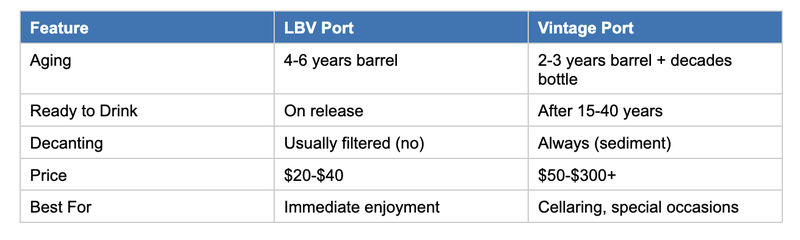
- Aging: 4-6 years in barrel, from a single vintage
- Character: Vintage-quality depth with approachable tannins
- Price: $20-$40
- Best For: Those seeking vintage character without the wait
Crusted Port
- Aging: Unfiltered blend aged 4+ years in bottle
- Character: Full-bodied, develops sediment ("crust"), requires decanting
- Price: $25-$50
- Best For: Collectors, those seeking complexity
Vintage Port (Vintage)
- Aging: 2-3 years in barrel, then decades in bottle
- Character: The pinnacle — massive structure, meant for long aging
- Price: $40-$300+
- Best For: Collectors, special occasions, cellaring
Ruby Port vs Tawny Port: The Key Differences
These are the two main Port families, and understanding their differences is essential:
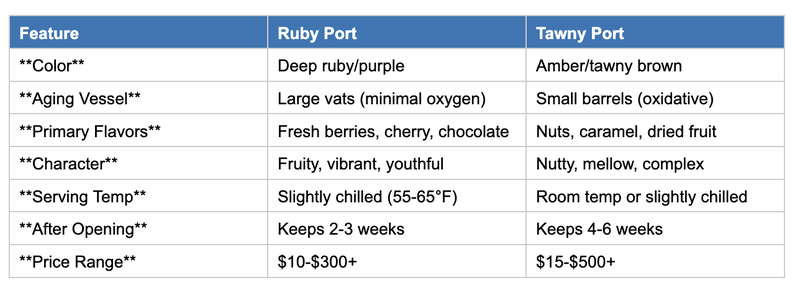
Choose Ruby when you want fresh fruit flavors and a wine that pairs with chocolate and berries.
Choose Tawny when you prefer nutty, caramelized flavors that pair with nuts, caramel desserts, and aged cheeses.
Best Ruby Port Brands (2026)
Top Producers
Graham's Six Grapes Reserve
- The benchmark Reserve Ruby
- Price: $20-$25
- Tasting Notes: Black cherry, cassis, licorice, plush mouthfeel
- Best For: Cheese pairing, dark chocolate desserts
Taylor Fladgate Late Bottled Vintage (LBV)
- Consistently excellent LBV producer
- Price: $22-$28
- Tasting Notes: Blackberry, fig, dark cocoa, spice
- Best For: Introduction to vintage-style depth
Fonseca Bin No. 27
- Classic Reserve Ruby
- Price: $18-$24
- Tasting Notes: Raspberry jam, baking spice, silky finish
- Best For: Versatile pairing, reliable quality
Dow's Fine Ruby
- Excellent entry-level option
- Price: $12-$16
- Tasting Notes: Plum, cherry, smooth tannins
- Best For: Everyday enjoyment, cocktails
Sandeman Ruby Port
- Historic producer, great value
- Price: $12-$18
- Tasting Notes: Red berries, violet, balanced sweetness
- Best For: Introduction to Ruby Port
Niepoort Ruby Dum
- Playful, modern style
- Price: $15-$20
- Tasting Notes: Bright cherry, fresh plum, herbal edge
- Best For: Summer sipping, lighter fare
Warre's Heritage Ruby
- Rich and full-bodied
- Price: $15-$20
- Tasting Notes: Dark fruit, chocolate, lingering finish
- Best For: Those preferring intensity
Premium Options
Dow's Vintage Port 2017
- Powerhouse Vintage Port
- Price: $50-$70
- Tasting Notes: Dark cherry, violet, black pepper, earthy tannins
- Best For: Cellaring, special occasions
Graham's Vintage Port 2016
- Exceptional declared vintage
- Price: $60-$80
- Tasting Notes: Concentrated fruit, floral notes, massive structure
- Best For: Long-term aging (20-40 years)
Taylor Fladgate Vintage Port 2017
- Benchmark Vintage quality
- Price: $70-$90
- Tasting Notes: Blackcurrant, dark chocolate, firm tannins
- Best For: Collectors, investment
Ruby Port Prices (2026)
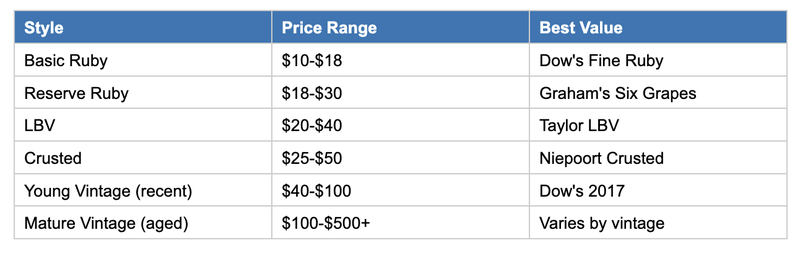
Value Tip: Reserve Ruby offers the best quality-to-price ratio for everyday enjoyment. At $20-$30, you get significantly better wine than basic Ruby without the commitment of Vintage Port.
Vintage Port: The Collectible Category
What Makes a Vintage Year?
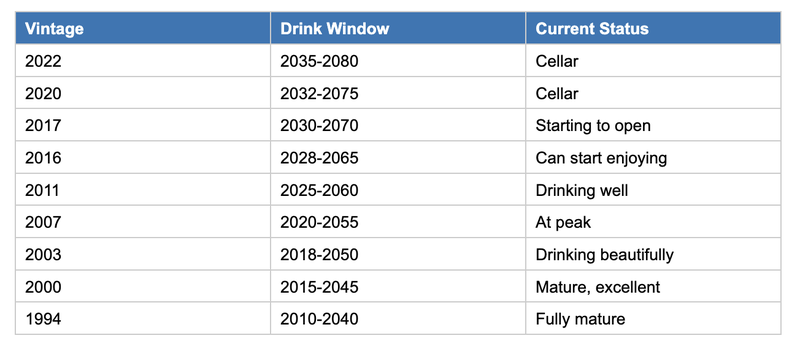
Vintage Port is only "declared" in exceptional years — roughly 3-4 times per decade. When conditions are perfect, individual Port houses announce their intention to release Vintage wines from that harvest.
Recent Declared Vintages:
- 2022 — Declared by most houses, excellent potential
- 2020 — Widely declared, classic vintage
- 2017 — Outstanding quality, highly sought
- 2016 — Excellent, powerful wines
- 2011 — Top-tier vintage, now drinking well
2007 — Classic, mature and delicious
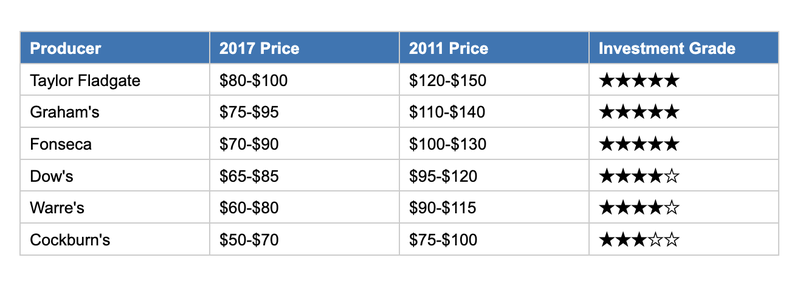
Best Vintage Ports for Investment
Aging Recommendations
Health and Nutrition
Calories and Sugar per 3 oz Serving
Port vs. Other Wines
Serving Size Matters
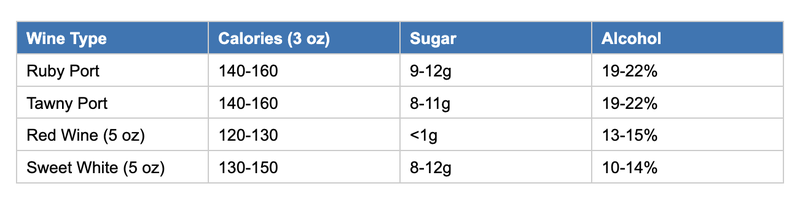
Port's higher alcohol means standard servings are smaller:
- Port: 2-3 oz (60-90ml)
- Table wine: 5 oz (150ml)
One 3 oz pour of Port contains similar alcohol to a standard glass of wine.
Food Pairing Guide
Ruby Port's sweet, fruity character calls for specific pairing strategies:
Perfect Pairings
Chocolate Desserts (the classic match):
- Dark chocolate truffles
- Chocolate lava cake
- Chocolate mousse
- Flourless chocolate cake
- Chocolate-covered strawberries
Blue Cheese (spectacular contrast):
- Stilton (the traditional British pairing)
- Gorgonzola
- Roquefort
- Danish blue
- Honey drizzled over blue cheese
Berry Desserts:
- Mixed berry cobbler
- Cherry pie
- Raspberry tart
- Blackberry crumble
- Fresh berries with cream
Other Excellent Pairings:
- Walnuts and almonds
- Dark fruit tarts
- Panna cotta
- Crème brûlée
- Aged cheddar
Savory Pairings (Surprising but Excellent)
- Pepper-crusted steak (with Reserve or LBV)
- Duck with cherry sauce
- Venison with berry reduction
- Foie gras
- Charcuterie with dried fruits
Pairing Principles
Match sweetness: The dessert should be equal to or less sweet than the Port. Ruby Port with an overly sweet dessert tastes flat.
Contrast with salt and fat: Blue cheese's salt and fat create spectacular balance with Port's sweetness.
Complement fruit flavors: Berry and cherry desserts harmonize with Ruby's fruit character.
How to Serve Ruby Port
Temperature
Ideal serving temperature: 55-65°F (13-18°C)
- Slightly cooler than room temperature
- 15-20 minutes in refrigerator if at room temp
- Too warm makes sweetness cloying
- Too cold mutes aromatics
Glassware
Traditional Port glasses are smaller than wine glasses (3-4 oz capacity) because Port is higher in alcohol and sweetness. However, any small wine glass or dessert wine glass works well.
Pour size: 2-3 oz per serving (roughly half a standard wine glass)
Decanting
- Basic Ruby and Reserve: No decanting needed — already filtered
- LBV (filtered): No decanting needed
- LBV (unfiltered): Decant 30-60 minutes before serving
- Vintage Port: Always decant — sediment forms over years of aging
Storage After Opening
Ruby Port keeps better than table wine after opening:
- Basic Ruby/Reserve: 2-3 weeks in refrigerator
- LBV: 2-4 weeks in refrigerator
- Vintage Port: 1-2 days (drink promptly once opened)
Use the original cork or a wine stopper. The fortification (higher alcohol) protects against rapid oxidation.
Ruby Port Cocktails
Ruby Port's fruity sweetness makes excellent cocktails:
Port and Tonic
- 2 oz Ruby Port
- 4 oz tonic water
- Lemon twist
- Serve over ice
Ruby Splash
- 2 oz Ruby Port
- 1 oz fresh orange juice
- Splash of soda water
- Orange slice garnish
Port Sangria
- 1 bottle Ruby Port
- 1 cup fresh orange juice
- Sliced oranges, apples, berries
- Cinnamon stick
- Refrigerate 4+ hours
Chocolate Port Martini
- 2 oz Ruby Port
- 1 oz chocolate liqueur
- 1 oz vodka
- Chocolate shavings garnish
Health Considerations
Calories and Nutrition
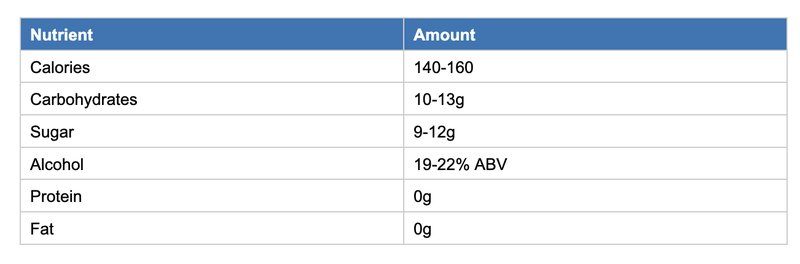
Per 3 oz (75ml) serving:
- Calories: 140-160
- Sugar: 10-12 grams
- Carbohydrates: 10-12 grams
- Alcohol: Higher than table wine (19-22% ABV)
Moderation Matters
Ruby Port's higher alcohol content (roughly double table wine) means standard servings are smaller. One 3 oz pour of Port contains similar alcohol to a 5 oz glass of wine.
The residual sugar adds calories compared to dry wines, but Port's typical serving size partially offsets this.
Investment Potential: Vintage Port
While basic Ruby Port is meant for immediate enjoyment, Vintage (Vintage) Port is one of wine's great investment categories:
Why Vintage Port Appreciates
- Scarcity: Vintage years declared only 3-4 times per decade
- Aging potential: Top Vintage Ports improve for 50+ years
- Established market: Centuries of auction history
- Global demand: British, American, and Asian collectors compete
Top Investment Vintages
Recent Outstanding Vintages:
- 2017: Exceptional quality, just entering prime
- 2016: Classic, structured, long-lived
- 2011: Excellent, maturing beautifully
Legendary Older Vintages:
- 2007, 2003, 2000, 1994, 1985, 1977, 1963
Investment-Grade Producers
The "Big Six" command highest prices:
- Taylor Fladgate
- Fonseca
- Graham's
- Dow's
- Warre's
- Cockburn's
The Bottom Line
Ruby Port offers something genuinely special in the wine world: approachable sweetness, vibrant fruit flavors, and centuries of tradition at prices starting under $15. Whether you're sipping it with chocolate after dinner, pairing it with Stilton, or mixing cocktails for a party, Ruby Port delivers pleasure without pretension.
For casual enjoyment, Reserve Ruby from established producers (Graham's, Taylor, Fonseca) offers the best balance of quality and value at $20-$30. For those seeking more complexity, LBV provides vintage-quality depth at accessible prices. And for collectors and special occasions, Vintage Port represents one of wine's great age-worthy treasures.
Ruby Port deserves a place in every wine lover's rotation. Its versatility, value, and pure deliciousness make it a timeless classic.
Frequently Asked Questions
What's the difference between Ruby and Tawny Port?
Ruby Port:
- Aged in large vats (minimal oxygen)
- Retains deep red color
- Fresh fruit flavors (berry, cherry)
- Drink young
- Serve slightly chilled
Tawny Port:
- Aged in small barrels (oxidative)
- Develops amber/tawny color
- Nutty, caramelized flavors
- Age-dated options (10, 20, 30, 40 years)
- Serve at room temperature or slightly chilled
How long does Ruby Port last after opening?
Shelf life after opening:
- Basic Ruby/Reserve: 2-3 weeks refrigerated
- LBV (filtered): 2-4 weeks refrigerated
- LBV (unfiltered): 1-2 weeks
- Vintage Port: 1-2 days (drink promptly)
The high alcohol (19-22%) and sugar act as preservatives.
Should Ruby Port be refrigerated?
Before opening: Store in cool, dark place (cellar conditions ideal)
After opening: Yes, refrigerate and use stopper
Before serving: Bring to proper serving temperature (55-65°F)
Does Ruby Port need to breathe?
- Basic Ruby/Reserve: No, ready to drink immediately
- LBV (filtered): No decanting needed
- LBV (unfiltered): Decant 30-60 minutes
- Vintage Port: Always decant to remove sediment and allow breathing
What glass should I use for Ruby Port?
Traditional Port glasses are smaller (3-4 oz capacity) because:
- Higher alcohol content
- Smaller serving sizes
- Concentrated aromatics
Any small wine glass or dessert wine glass works well.
Is Ruby Port sweet?
Yes, Ruby Port is notably sweet, with 90-110 grams of residual sugar per liter. The sweetness is balanced by:
- Fruit flavors
- Moderate acidity
- Tannic structure
It's sweet but not cloying when well-made.
Can diabetics drink Ruby Port?
Ruby Port contains significant sugar (9-12g per 3 oz serving). Diabetics should:
- Consult healthcare providers
- Consider smaller portions
- Account for sugar intake
- Consider dry wine alternatives
What's the best Ruby Port for beginners?
Recommended starters:
- Graham's Six Grapes ($20-$25) — benchmark quality
- Fonseca Bin No. 27 ($18-$24) — approachable, versatile
- Taylor LBV ($22-$28) — depth without complexity
All offer excellent quality and widely available distribution.
How do you drink Ruby Port?
Traditional serving:
- Chill slightly (55-65°F)
- Pour 2-3 oz per serving
- Use small wine glass
- Sip slowly — Port is meant for lingering
With food:
- After dinner with dessert
- With cheese course
- With chocolate
Is Ruby Port good for cooking?
Yes, Ruby Port works well in:
- Red wine reductions
- Berry sauces for game
- Chocolate desserts
- Poached pears
- Blue cheese glazes
Its sweetness and fruit concentrate beautifully when reduced.
What's the difference between LBV and Vintage Port?
Can Ruby Port go bad?
Unopened: Properly stored, can last decades (especially Vintage Port)
Opened: Drink within timeframes above
Signs of spoiled Port:
- Vinegar smell
- Brown color (beyond normal aging)
- Off flavors
What food pairs best with Ruby Port?
Perfect pairings:
- Dark chocolate (truffles, mousse, cake)
- Blue cheese (Stilton, Roquefort)
- Mixed berry desserts
- Walnuts and dried fruit
- Fresh berries with cream
Good pairings:
- Crème brûlée
- Vanilla ice cream
- Strong aged cheddar
- Foie gras
- Pepper-crusted steak
Is Port wine healthy?
In moderation, Port may offer:
- Antioxidants (though less than dry red wine)
- Polyphenols
- Potential cardiovascular benefits
However, Port's higher alcohol and sugar content mean portion control matters more than with table wine.
Why is it called Port wine?
Port takes its name from Porto (Oporto), the Portuguese city from which it has been shipped for centuries. The wine is produced in the Douro Valley but has historically been exported through Porto's warehouses in Vila Nova de Gaia.
If you love Port, the real collectible category is top Vintage Port in strong declared years. Vinovest helps you invest in proven, investment grade wines with professional storage and authentication built in.