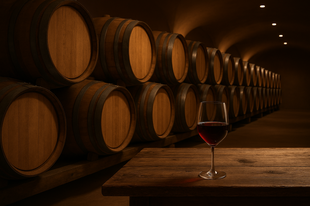
Supply vs. Demand: Impact on Wine Futures
In the world of wine futures, price isn’t just about what’s in the bottle—it’s about the delicate balance between how much wine exists and how badly the market wants it. From climate-driven harvest shortages to surging global demand for premium vintages, supply and demand forces shape every opportunity (and risk) investors face. Whether you’re buying early allocations at a discount or tracking market shifts years before a bottle is released, understanding these dynamics is essential to navigating pricing trends and maximizing long-term returns.
Further reading
Should You Buy Wine Futures? (How To Invest In Them)
What Are Wine Futures and Can I Invest in Them?
Alternative Investments Compared: Where Wine Futures Fit in Your Portfolio
Wine futures pricing is driven by supply and demand. Limited production, climate effects, and high demand for premium vintages create a competitive market. For investors, understanding these dynamics is key to making smart decisions.
Key Takeaways:
- What are wine futures? Buying wine while it's aging in barrels, often at lower prices, with delivery 18–24 months later.
- Supply factors: Climate change, extreme weather, and production costs reduce supply. For example, global wine production dropped 5% in 2024.
- Demand factors: Prestige wines, changing consumer preferences, and tariffs impact pricing. Younger consumers prefer premium wines, while tariffs can increase costs by 30%.
- Investment strategies: Diversify across regions, focus on proven producers, and monitor market trends to maximize returns.
| Factor | Impact on Pricing | Examples |
|---|---|---|
| Supply shortages | Prices surge due to scarcity | 2024 Bordeaux vintage saw price reductions spark demand. |
| Oversupply | Prices drop; inventory builds up | California reduced vineyards due to falling demand. |
| High demand | Premiums for sought-after wines | 100-point wines often see 30% price increases. |
| Economic shifts | Pricing volatility | 2025 tariffs raised EU wine prices by 29%. |
| Climate events | Scarcity-driven price hikes | France's 2024 wine production fell to a 67-year low. |
For investors: Platforms like Vinovest simplify wine futures investment with tools for diversification, storage, and market timing. Start early, diversify wisely, and monitor supply-demand trends to navigate this unique market.
Supply Factors in Wine Futures
Wine production is a unique industry, deeply tied to specific locations and influenced by unpredictable natural cycles. For investors venturing into the wine futures market, understanding these supply factors is essential.
Natural Factors: Climate, Weather, and Harvest Yields
Climate change is reshaping the global wine industry. In 2024, global wine production dropped by 5%, hitting 226 million hectoliters - the lowest level since the early 1960s [9]. Extreme weather events, now an annual occurrence in key wine regions, are a major driver of these declines. Giorgio Delgrosso, head of statistics at the International Organisation of Vine and Wine (OIV), put it plainly:
"Now extreme climate events are always happening. Every year there's something." [7]
The effects vary by region, but the numbers are striking. Italy and Spain, two of the world's largest wine producers, saw output drop by 12% and 14%, respectively [7]. France faced an even steeper decline, with production falling 24% to just 36 million hectoliters in 2024 - the lowest since 1957 [9].
Specific weather disasters have also left their mark. In 2021, a frost hit over 90% of France in early April, leading to the smallest wine harvest since World War II - a 30% reduction from typical yields [8]. Earlier, in 2016, hailstorms and frost caused catastrophic damage in regions like Montpelier and Bordeaux, with losses valued between $1.1 billion and $2.2 billion [10].
Other major producers, including Australia, South Africa, and Chile, have also experienced declines in output, ranging from 10% to 24% [7]. Globally, the total area under vine shrank by 0.6%, leaving 7.1 million hectares in production [9].
Production Costs and Regulations
Beyond natural factors, production costs and trade policies also play a significant role in shaping the wine futures market. Tariffs, for instance, can ripple through the supply chain, amplifying costs at every step. Simone Luchetti, President of Banville Wine Merchants, explains:
"A 20% tariff increase at the importer level doesn't just stop there - it compounds through the supply chain. By the time it reaches the consumer, that 20% can turn into a 35% or more increase, which is significant." [13]
A clear example is the 25% tariff imposed in 2019 by the Trump administration on wines under 14% alcohol by volume from France, Germany, Spain, and the United Kingdom. This tariff raised costs for everyone involved - importers, distributors, and consumers alike [13]. A wine that costs €7 (about $7.30) to produce and retails for $29.99 could see its shelf price climb to $38.99 under such tariffs [13].
Regulatory uncertainty adds another layer of complexity, discouraging importers and retailers from engaging in wine futures [12]. Meanwhile, rising costs for critical winemaking materials - like oak barrels, bottles, and specialized equipment - leave the industry vulnerable to trade disruptions and currency fluctuations. Together, these factors create a market where scarcity and oversupply can exist side by side.
Supply Surpluses and Shortages
The wine market today presents a paradox: scarcity in some segments and oversupply in others. Premium wine futures from renowned estates remain limited and expensive, while entry-level and bulk wines are piling up in inventories [16]. For example, U.S. wine market volume fell by 5% in 2024, and wholesalers are now grappling with unusually high stock levels [16].
Some regions are already taking action. In California and parts of Washington, growers are reducing acreage for underperforming varietals to better align with market demand [16].
At the high end, scarcity drives prices sky-high. Domaine de la Romanée Conti produced fewer than 4,500 bottles in 2012, and they now sell for over $13,000 each. Meanwhile, Château Lafite produces 15,000–20,000 bottles annually, with prices hovering around $500 per bottle [15].
Vintage quality also plays a critical role in supply dynamics. For instance, the 1983 Cheval Blanc, from an excellent vintage, was initially priced at €350–450 per box during its en primeur release. Today, that same box is worth roughly €9,500 [17]. In contrast, the 1997 Haut Brion, from a less favorable vintage, debuted at €150 and retained that price years later [17].
As climate change continues to disrupt global wine production, both producers and investors will need to adapt to these shifting supply patterns [11]. This delicate balance between scarcity and surplus sets the stage for understanding the demand dynamics that further shape wine futures pricing.
Demand Factors in Wine Futures
Understanding what drives demand is essential for navigating the wine futures market. With limited supply, certain factors take center stage in shaping premium pricing:
Changing Consumer Preferences
A generational shift is reshaping wine consumption, bringing both challenges and opportunities.
Data reveals that 58% of consumers over 65 prefer wine over other alcoholic beverages. However, Millennials and Gen Z show a notably lower preference - nearly 30 percentage points less than their older counterparts [19]. This shift has real consequences: wine volume sales in the United States dropped by 3% last year [19].
Tom Steffanci highlights the industry's struggle to connect with younger audiences:
"We have not done a great job as an industry around making wine approachable and relevant to younger consumers." [19]
Younger generations, especially Gen Z, are redefining drinking habits, with 45% of drinkers citing wellbeing as a key influence [18]. This health-conscious mindset has fueled growth in alternative wine products. For instance, the no-alcohol wine category saw a 41% increase in dollar sales compared to the previous year [20]. Meanwhile, the organic wine market is set to grow at an annual rate of 10.3% from 2024 to 2030 [18].
Although younger consumers drink less overall, they are driving a shift toward premium wines. They're willing to spend more for quality, with $12–$15 now considered the entry point for a "quality wine" [16]. Wines priced between $10 and $25 strike a balance between affordability and perceived quality [20].
Tatiana Fokina, CEO of Hedonism Wines, observes:
"I think people are much more educated about what they're drinking. They are having better developed palates, they are learning a bit more about complex wines, possibly higher-level wines, rather than buying more of simple, lower-end wines." [18]
These evolving preferences align with larger economic and market trends that continue to shape demand.
Global Economic and Market Trends
Economic factors like disposable income and trade policies play a crucial role in premium wine investments.
Recent events illustrate how quickly economic shifts can impact the market. On April 2, 2025, President Donald Trump announced tariffs under the "Liberation Day" executive order, imposing a 10% baseline tariff on all imported goods. Additional "reciprocal" tariffs targeted specific countries, with the European Union facing a total 30% tariff by April 9, 2025 [16].
Such tariffs create immediate pricing pressures. For example, a $15 wholesale bottle from Tuscany could see its retail price jump by 29%, from $24 to $31 [16]. These price hikes reduce demand and force investors to rethink strategies.
Currency fluctuations also add complexity. A nearly 9% decline in the U.S. dollar against the euro in early 2025 made European wine futures more expensive for American buyers [14].
This uncertainty has real consequences for the market. Shaun Bishop of JJ Buckley Fine Wines explained:
"For the first time ever, we will not do an en primeur campaign and we will not buy any wines for our own stock. The main reason is the tariff uncertainty. If we do not know the final price, then we cannot recommend our clients to buy en primeur. Instead, we recommend to buy other vintages, already in bottle and ready to be delivered and enjoyed now." [14]
Economic pressures are already evident, with the U.S. wine market volume potentially dropping by up to 5% in 2024 [16]. These challenges underscore the importance of understanding the broader economic landscape when investing in wine futures.
Prestige and Iconic Producers
Even amid shifting consumer habits and economic headwinds, the reputation of iconic wineries continues to drive demand.
Prestigious wineries with decades or centuries of history consistently attract investors. Limited production and exceptional quality ensure that these wines command high prices, even during market downturns. For example, Bordeaux's 2009 and 2010 vintages saw wines like Château Lafite Rothschild 2010 increase in value by up to 200% within five years of release [1].
The "Primeurs" system, originating in Bordeaux, allows buyers to secure these wines early at competitive prices, often lower than post-release market rates [1]. For instance, in 2024, Château Mouton-Rothschild released its first tranche of futures at €252 per bottle ex-négociant, a 22.2% drop from the previous year's price. U.S. retailers offered these futures at $340 per bottle, making it the most affordable Mouton vintage on the market [14].
Similarly, Cheval Blanc released its 2024 futures at €276 per bottle ex-négociant, a 28.1% decrease from 2023 prices. U.S. merchants sold these futures at an average of $372 per bottle, a significant drop from last year's $531 [14].
Provenance also plays a key role in the value of wine futures. Wines purchased en primeur come directly from the estate, ensuring authenticity and enhancing future value [1].
While Bordeaux dominates the wine futures market, other regions like Burgundy and Rhône are gaining traction. Burgundy Futures, in particular, are prized for their exceptional quality and exclusivity [1].
Rod Smith, a Master of Wine based in France, offers a practical reminder:
"You should never buy wine unless you are ultimately prepared to drink it, as that may be what happens." [21]
Supply vs. Demand: Wine Futures Pricing Impact
The relationship between supply and demand forms the backbone of wine futures pricing. Shifts in these forces can ripple through the market, reshaping both pricing and investment opportunities.
Supply vs. Demand: Key Drivers and Outcomes
Market forces play a crucial role in pricing and influence how investors approach their strategies.
| Factor | Impact on Pricing | Examples |
|---|---|---|
| Supply Shortages | Prices can surge 20–200% due to scarcity | Historical data shows significant price spikes in vintages affected by extreme scarcity; for instance, adverse weather events often reduce grape supply, driving futures prices higher[3] |
| Oversupply | Prices drop; inventory adjustments become necessary | Excess entry-level wine led to price cuts and pressure on grape prices; in response, California and Washington saw vineyard reductions as producers adapted to falling demand |
| High Demand Periods | Prices increase, often commanding premiums | Wines with 100-point Robert Parker ratings tend to see a 30% price boost; strong U.S. demand accounted for 35.5% of Liv-ex purchase value in 2024 |
| Economic Disruptions | Volatility and uncertainty in pricing | For example, the Russian invasion caused U.S. glass prices to rise by 20%[23] |
| Climate Events | Supply constraints lead to premium pricing | Unpredictable weather disrupts harvests and grape yields, resulting in scarcity-driven price hikes[23] |
When limited production meets high-quality vintages, prices can skyrocket. Conversely, oversupply during economic downturns often triggers sharp price corrections. These dynamics set the stage for the market trends discussed below.
Case Studies: Recent Market Trends
The key drivers outlined above have shaped notable recent shifts in the wine market.
Bordeaux 2024: Strategic Pricing Sparks Renewed Interest
The 2024 Bordeaux vintage highlights how pricing strategies can reignite demand. Château Mouton-Rothschild released its first tranche at €252 per bottle ex-négociant - a 22.2% reduction compared to 2023 prices. U.S. retailers priced these futures at $340 per bottle, making it one of the most appealing Mouton vintages currently available[14].
James Shakeshaft from Vin‑X commented on the broader implications:
"Key market players view the release of the Bordeaux 2024 vintage at the right price as having the potential to reinvigorate the En Primeur system and be the catalyst to ending the current market malaise." [24]
California Wine Crisis: Oversupply Meets Declining Demand
California’s wine industry illustrates the challenges caused by an imbalance between supply and demand. In 2023, wine consumption in the state dropped by 8.7%, creating significant hurdles for producers[23]. Megan Bell, owner of Margins Winery, experienced this firsthand. Out of 19 distributors, only three agreed to purchase her wines that year. To cope, she focused on bottling only pre-sold products (at least 70% sold in advance) and shifted her efforts toward direct tasting room sales to maintain profitability[23]. This oversupply also led to vineyard reductions in California and Washington as producers adjusted to lower demand[16].
Tariff Impact: Changing Demand Patterns
The April 2025 tariff announcements reshaped demand through pricing pressures. With the EU facing a 30% tariff, a $15 wholesale Tuscany bottle now retails for $31, up from $24 before the tariff[16].
These price hikes had far-reaching consequences. Hugo Pakula, a U.S. trade expert, explained:
"New tariffs and regulations are raising trade barriers to the US, making it harder for retailers to deliver their products at current prices and stay competitive with foreign sellers. With increased headwinds on sales and growth, price pressures will erode demand. Naturally, divestment and diversification will follow." [22]
For investors, these case studies highlight the importance of staying attuned to supply constraints, demand shifts, and external economic factors. Platforms like Vinovest can help investors navigate these changes, identifying opportunities during market corrections as well as periods of strong demand growth.
Wine Futures Investment Implications
Understanding how supply and demand influence the wine market is essential for making smart investment decisions in wine futures. It’s all about tailoring your strategy to the current market climate and using the right tools to navigate these intricate dynamics.
Investment Strategies During Supply Constraints
When supply is tight, acting early is key to avoiding steep price hikes. For example, the 2020 Burgundy vintage saw limited production from top domaines, leading to immediate sellouts and secondary market premiums soaring over 40% within just a few months.
Stick to proven producers in these scenarios. Brian Ward, director of Wine for the Winston Art Group, highlights why this matters:
"Fine wines are distinguished from mass-market wines by their ability to age, value on the secondary market, and producers' long track records for excellence." [5]
Diversification is also critical. Instead of concentrating all your resources on one rare vintage, spread your investments across regions and producers. For instance, pairing riskier wines from emerging regions with more established options like Bordeaux or Burgundy can help balance your portfolio [4].
Pay close attention to vintage reports. A single bottle of Domaine de la Romanée-Conti La Tâche en primeur, for instance, can fetch over $5,000 [1]. Keeping tabs on reports and trends ensures you’re investing in wines with strong potential.
While supply shortages require early allocation strategies, a different approach is needed when demand outpaces supply.
Investment Strategies During High Demand Periods
High demand periods often lead to inflated prices, making it vital to focus on wines that can maintain their value over time.
Avoid market hype and prioritize quality. Charles Curtis, a wine expert at Gurr Johns, explains:
"Fine-quality young wines are as fungible a commodity as collectible watches, for example. However, as the wine ages, other factors such as condition and provenance become much more important, and each bottle that comes to market has its own history, much as a work of art does." [5]
Explore emerging markets and regions during these times. Areas like Tuscany and Napa Valley are gaining popularity among investors [4], offering opportunities to tap into growing markets without paying the premium often associated with Bordeaux or Burgundy.
Keep an eye on allocation strategies. Some châteaux are deliberately reducing supply available at en primeur [2], creating artificial scarcity that impacts pricing and availability.
Track global wealth trends. The fine wine market is heavily influenced by the rising number of ultra-high-net-worth individuals. In 2024, over 35% of these individuals reported holding investment-grade wine in their portfolios [25]. This growing wealth directly drives demand and shapes market dynamics.
How Vinovest Simplifies Wine Futures Investment
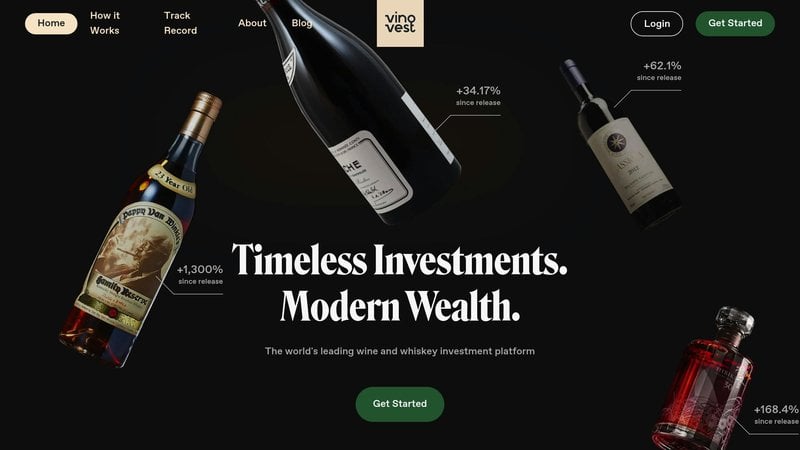
Navigating the complexities of supply and demand in wine futures can be daunting, but platforms like Vinovest make it easier. With tailored solutions, Vinovest handles the heavy lifting, offering expertise and tools that many individual investors may lack.
Algorithmic wine selection is one of Vinovest’s standout features, ensuring investments align with specific criteria [26]. This data-driven approach helps identify opportunities that fit your portfolio goals.
Professional authentication and storage are also critical. As Charles Curtis points out:
"The issue of storage is critical to success, as improper storage can destroy asset value." [5]
Vinovest takes care of authentication, shipping, and storage in bonded warehouses [26], preserving the value of your investment.
Diversification is streamlined through Vinovest’s structured approach. The platform offers access to wines from various regions, vintages, and producers. With a minimum investment of $1,000 [26], it’s accessible to a wide range of investors, even those without extensive capital.
Market timing advantages are another benefit. Vinovest emphasizes purchasing wine below retail prices to maximize returns:
"We always try to purchase wine below the retail price to ensure the maximum possible return on investment." [26]
This strategy helps investors capitalize on pricing inefficiencies, regardless of market conditions.
Exclusive allocations are another perk. Vinovest’s relationships with producers and négociants provide access to sought-after wines, especially during supply shortages. Meanwhile, their expertise helps investors navigate high-demand periods effectively.
With annual fees ranging from 2.25% to 2.85%, depending on portfolio size [6], Vinovest offers professional management that mitigates risks like poor timing or improper storage, making wine futures investment more accessible and manageable.
Conclusion: Managing Supply and Demand in Wine Futures
Navigating the world of wine futures requires a clear grasp of how supply and demand interact. For instance, Bordeaux wines have shown impressive returns, averaging 58.3% since January 2014. Some vintages, like the 2009 and 2010 Bordeaux, have surged by as much as 200% within five years [27][1].
The market's unique dynamics stem from limited supply and fluctuating demand, creating opportunities for savvy investors. Producers often adjust their pricing strategies to align with these shifts, highlighting the importance of a well-thought-out, diversified approach to investing [2][27].
Diversification is key to managing market volatility. Master of Wine Almudena Alberca emphasizes this point:
"Investments in wine throughout history seem to have become a refuge... [wine] is a perfect complement to investment diversification, as its value tends to remain stable and offers annual returns of 10-15% in the last 20 years, even in tough years like 2020." [26]
The en primeur market is changing fast. Producers are increasingly holding back stock to drive up future prices [2][27], and interest is expanding beyond Bordeaux to include regions like Burgundy and the Rhône Valley [1][27].
Platforms such as Vinovest simplify the complexities of wine investment. With annual fees ranging from 2.25% to 2.85%, they provide professional management to handle challenges like storage, timing, and market analysis.
To succeed in wine futures, you need to understand market inefficiencies and pair that knowledge with diversification and expert guidance. Whether you're navigating supply shortages or spikes in demand, combining insight with the right tools and strategies can make all the difference.
Navigate wine futures with more confidence. Explore how Vinovest helps investors access, manage, and diversify fine wine portfolios with expert support.