
Wine Labels as Works of Art: How Design Shapes Branding and Investment Value
A wine label is often your first impression — and in many cases, it’s the deciding factor. From iconic artist collaborations at Château Mouton Rothschild to interactive augmented-reality experiences from 19 Crimes, today’s wine labels are far more than decorative packaging. They’re cultural statements, branding powerhouses, and increasingly, drivers of collectible and investment value. In a $300 billion global wine market, artistic labels are transforming bottles into canvases — blending storytelling, technology, and fine art in ways that captivate consumers and investors alike. Here’s how wine labels evolved from simple identifiers into works of art — and why they matter more than ever.
Further reading
NFT Wine: Just A Fad or A Smart Investment?
How to Avoid Wine Investment Scams: Tips & Tactics, Examples
12 Best Investment Wines (2025): Top Bottles & Brands to Watch
Did you know that 82% of wine drinkers choose their wine based on the label?Wine labels today are more than just identifiers - they’re miniature works of art that tell stories, create emotional connections, and even drive investment opportunities. With the global wine market valued at $303 billion, artistic labels are reshaping how we perceive and collect wine.
Key Takeaways:
- Visual Appeal Drives Sales: 82% of wine buyers are influenced by label design.
- Art Meets Investment: Labels designed by famous artists can significantly increase a bottle's value.
- Modern Innovations: Augmented reality, QR codes, and eco-friendly materials are transforming label design.
- Collector's Favorites: Château Mouton Rothschild and 19 Crimes are examples of how art elevates wine.
Wine labels are no longer just packaging - they’re tools for storytelling, branding, and even financial growth. Whether you’re a casual buyer or an investor, understanding the value of artistic wine labels can change the way you look at every bottle.
The History of Wine Label Art
Wine labels have come a long way, evolving from simple tags to intricate works of art. This transformation mirrors changes in technology, artistic trends, and consumer expectations, paving the way for collaborations with renowned artists and innovations in design.
Early Wine Labels: Function Over Form
Originally, wine labels served a straightforward purpose: identifying the bottle's contents. Early winemakers used basic parchment tags or simple printed materials to distinguish their products in a growing market.
A major shift occurred with the invention of lithography in the 19th century. This printing method allowed for faster label production, helping winemakers mark their bottles more efficiently and stand out in an increasingly competitive industry [1]. At this stage, the focus remained on clarity and readability rather than artistic flair.
Artistic Collaborations: When Wine Met Art
The concept of wine labels as artistic canvases took off thanks to Château Mouton Rothschild. In 1924, Baron Philippe de Rothschild broke new ground by commissioning Jean Carlu to design a label [3]. However, the turning point came in 1945, when Philippe Jullian created the “V for Victory” label to celebrate the end of World War II [4]. This marked the beginning of a tradition where each vintage featured original artwork by prominent artists.
Philippe Sereys de Rothschild, the baron’s grandson, highlighted the philosophy behind this move:
"He always had the notion that art and wine were very closely related." [3]
Over the years, legendary artists like Picasso, Dalí, Warhol, and Jeff Koons have contributed to Château Mouton Rothschild's labels. These designs often reflect the historical or cultural essence of the vintage year, turning each bottle into a collector’s item.
A spokesman for Château Mouton Rothschild summed up this connection beautifully:
"The vine, the pleasure of drinking, and intoxication prove a rich source of inspiration." [6]
These collaborations elevated wine labels from mere identifiers to coveted art pieces, adding prestige to the wines and captivating collectors worldwide [7].
Modern Wine Label Design: Tradition Meets Technology
Building on this artistic legacy, today’s wine labels combine traditional craftsmanship with cutting-edge technology. Digital printing has revolutionized the industry, making it possible to create intricate, personalized designs. Wineries can now produce custom labels for special occasions or individual customers with ease [10].
Augmented Reality (AR) is one of the most exciting advancements in wine label design. Take Australian wine brand 19 Crimes, for example. Their AR labels, paired with a smartphone app, bring characters on the bottles to life, sharing their stories in an engaging way. This innovation led to a 60% increase in sales volume and a 70% rise in value [5].
Other tech-driven features like QR codes and NFC technology are becoming staples. These tools give consumers instant access to details about a wine’s origin, tasting notes, and storage advice [4][8].
Environmental awareness is also shaping modern label design. Many wineries now use recycled paper, biodegradable inks, and eco-friendly adhesives to appeal to consumers who prioritize sustainability [8][9]. Aesthetic trends lean toward minimalist designs with clean lines and simple typography, often paired with artisanal touches like hand-drawn illustrations and watercolor effects to convey authenticity.
For premium wines, tactile elements like embossing and foil stamping add a luxurious feel [8]. Some brands experiment with unconventional shapes or transparent materials to create a striking shelf presence.
In 2019, Ars Longa Vita Brevis pushed boundaries with glow-in-the-dark labels. These labels revealed hidden details about the wine’s origin when viewed in darkness, showcasing how technology continues to inspire creativity in label design [11].
Today, wine labels are much more than identifiers - they’re powerful tools for storytelling, branding, and connecting with consumers in meaningful ways.
Design Elements That Create Artistic Value
What separates a wine label destined to be overlooked from one that becomes a sought-after collector’s item? It all comes down to thoughtful design choices. With 80% of wine drinkers making decisions based largely on the label[14], understanding these design elements is key for winemakers and collectors alike.
Colors, Typography, and Images
Color isn’t just about aesthetics - it sets the emotional tone of a wine label. It stirs feelings and influences purchase decisions [12]. Designers often choose color schemes that mirror the wine’s character or heritage, helping to create a connection between the product and the buyer.
Typography is just as impactful. The right font does more than look good - it communicates the wine’s personality. Whether the goal is to convey elegance, playfulness, or a modern edge, the typeface needs to match the label’s overall vibe and the brand’s message [12][13].
Then there’s the imagery. Artistic illustrations or photography can transform a label into a mini masterpiece. From vineyard landscapes to regional landmarks, these visuals tell a story about the wine’s origins or its unique qualities [12]. When colors, typography, and images work in harmony, the result is a label that feels cohesive and intentional.
Take Stina Winery, for example. Their labels resemble blank canvases, inviting creativity. The textured paper mimics polished stone, a nod to the island of Brač’s famous white stone [13]. This thoughtful design ties the wine’s presentation directly to its roots, blending visual storytelling with tactile appeal.
Special Materials and Production Methods
A wine label’s physical elements can elevate its appeal, adding layers of sophistication and meaning. Techniques like foil stamping bring a touch of luxury with metallic finishes, while embossing raises specific areas of the label, creating a subtle 3D effect [17]. Spot UV coating adds glossy highlights, and letterpress printing delivers a vintage charm with its inked impressions [15]. As Gallas Label & Decal explains:
"Foil stamping adds a touch of elegance and luxury to wine and spirit labels, while embossing can highlight key details like the distillery, winery name or vintage year." [16]
For a modern twist, some wineries use innovations like thermochromic inks, which change color with temperature [15]. These interactive features don’t just look cool - they build a deeper connection with the consumer. Research from February 2023 even found that texture plays a big role in how people perceive a product’s value, linking tactile qualities to the brand’s identity [17].
Telling Stories Through Design
A wine label isn’t just a piece of packaging - it’s a storyteller. The best labels weave together the spirit of the wine, the history of its region, the winemaker’s passion, and the distinct character of the grapes [13]. This narrative approach forges emotional bonds with consumers, making the experience of choosing and drinking the wine more meaningful.
Modern technology has taken this storytelling to new heights. Digital features like QR codes and augmented reality (AR) create immersive experiences that deepen the narrative [18]. For instance, Veuve Clicquot’s yellow-orange label reflects the legacy of Madame Clicquot, blending historical significance with brand identity [18]. Meanwhile, The Prisoner opts for a daring, unconventional style by featuring a Goya etching of a man in chains alongside a minimalist label design, standing out in a crowded market.
Ultimately, successful storytelling in design hinges on the careful balance of every element - color, typography, imagery, materials, and production techniques. When done well, these components come together to create a label that not only captures attention but also embodies the winery’s values and identity, leaving a lasting impression on its audience.
Famous Wine Labels and Their Impact
Some wine labels go beyond mere decoration, blending art with marketing to become prized collector's items. These celebrated designs show how creativity can elevate a simple bottle into something truly extraordinary.
Château Mouton Rothschild
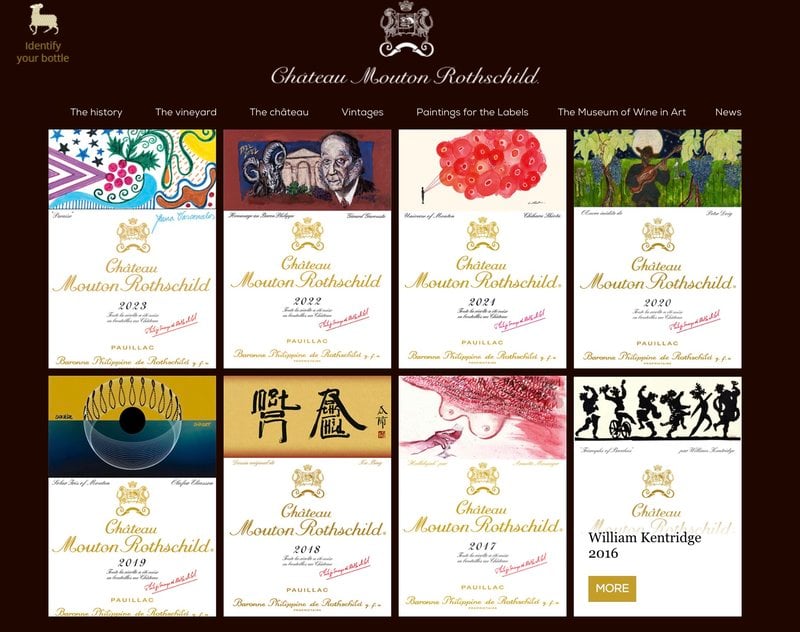
Château Mouton Rothschild is legendary for its artistic wine labels. Since 1945, this Bordeaux estate has commissioned world-famous artists to design unique labels for each vintage, making them as sought after as the wine itself [19]. The tradition began even earlier, in 1924, when Baron Philippe de Rothschild enlisted avant-garde French designer Jean Carlu to create a distinctive label. This bold move marked the first time commercial artwork appeared on a wine label [20].
Over the years, the estate has collaborated with an impressive roster of artists, including Pablo Picasso, who designed the 1973 label to celebrate Mouton's promotion to First Growth status [19]. Andy Warhol brought his iconic pop art style to the 1975 vintage [19], while Jeff Koons added his contemporary flair to the 2010 label [19].
The financial impact of these collaborations is striking. As Julien de Beaumarchais de Rothschild notes:
"The artist must be like Mouton: an extremely well-known artist who does not need Mouton to promote his or her art" [22].
This careful curation has made older vintages with unique labels highly valuable, often fetching far higher prices at auction compared to other First Growth wines with static designs [22]. One special edition even raised an astonishing $2.7 million at auction[21].
The collection’s prestige extends beyond the wine world, with labels displayed in museums around the globe [20]. Julien de Beaumarchais de Rothschild describes this fusion of art and wine as:
"The perfect union of the beautiful and the good that the ancient Greeks called kalos kai agathos" [23].
19 Crimes and AR Technology
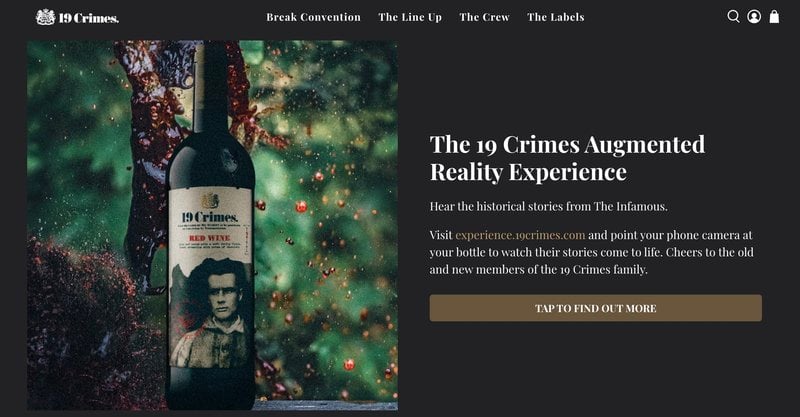
19 Crimes has taken a modern approach, using augmented reality (AR) to engage consumers in a way that’s both entertaining and memorable. Launched in 2017 by Treasury Wine Estates in collaboration with Tactic Studio, the "Living Wine Labels" app allows users to bring historical convict stories to life through their smartphones [26].
The app has been a hit, with 5.5 million downloads and over 22 million AR interactions since its launch [24]. Between 2017 and 2019, sales of 19 Crimes wines soared by about 40%, and a recent collaboration with Snoop Dogg generated more than 500,000 activations and over one million views[24].
Ming Alterman of Treasury Wine Estates highlights the strategy behind this innovation:
"From the start, 19 Crimes has always been thought of differently in terms of how they communicate with consumers" [24].
The AR experience not only captivates customers but also keeps them engaged in the wine aisle:
"Retailers love products that keep people in the wine aisle, and people are scanning on the shelves" [24].
This approach reflects a larger trend, with IBM reporting that brands using AR see a 97% higher conversion rate compared to those that don’t [25]. Alterman believes this technology is here to stay:
"AR is not a gimmick and it's here to stay for the wine industry" [24].
Casanuova di Nittardi's Art Series
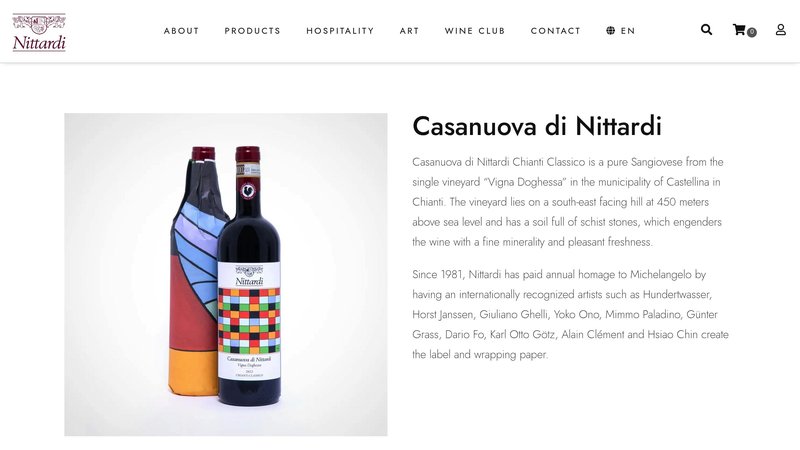
Casanuova di Nittardi has created a unique legacy with its Art Series, which began in 1981. Each vintage of their Chianti Classico "Casanuova di Nittardi Vigna Doghessa" features original artwork by internationally acclaimed artists, forming a 40-year gallery of creative labels [27].
This tradition honors Michelangelo Buonarroti, a former owner of the Nittardi vineyards, reinforcing the estate's deep connection between wine and art[27]. For Nittardi, wine is more than a beverage - it’s a cultural expression, as important as art, film, or poetry [28].
Over the decades, the estate has collaborated with a diverse array of artists. Yoko Ono contributed the 2005 label [31], while Oscar-winning director James Ivory designed the 2021 label, "I due Frari" (The Two Brothers), using collage techniques [28]. Korean artist Kim Tschang-Yeul captured the essence of winter with his signature water drop imagery for the 2011 vintage [29], and British Pop Art icon Joe Tilson celebrated Tuscany and Venice in his 2015 design [30].
Léon Femfert of Nittardi explains the philosophy behind their labels:
"In Nittardi art tells about the wine and the label stops in time the emotions it generates" [28].
This consistent artistic vision has not only enhanced the estate's reputation but also increased the collector value of its wines. With each label telling a story, Nittardi has shown how art and wine can come together to create something timeless. Together, these examples highlight how artistic labels can transform wine into both a cultural treasure and an investment opportunity.
Investment Value of Artistic Wine Labels
Artistic wine labels don't just make a bottle stand out on the shelf - they can significantly increase its market value and even present real investment opportunities. Collectors and investors are increasingly recognizing how distinctive label artwork can transform these bottles into prized collectibles [2].
How Label Art Affects Wine Prices
The connection between artistic wine labels and their prices is more than just aesthetic - it's measurable. Take Château Mouton Rothschild as an example. Over ten vintages, the prices of their wines increased by an average of 5% in the month following the announcement of a new artist-designed label [32]. The 2012 vintage, featuring artwork by Miquel Barcelo, saw the most dramatic jump, with a 14.9% increase in value immediately after the announcement [32].
The long-term impact is even more striking. The 2000 vintage of Château Mouton Rothschild has seen its value skyrocket by nearly 750% since its release [32]. As WineCap aptly puts it:
"The innovative tradition of artist-designed labels by Château Mouton Rothschild not only merges the worlds of fine art and winemaking but also significantly elevates the market value, making them coveted treasures for collectors and investors alike." [32]
Limited edition releases with unique artwork or collaborations further amplify a wine's desirability. For example, Château Elegante, a California winery, experienced a 25% boost in sales within six months of introducing a sleek, modern redesign for its labels [34]. Similarly, a Napa Valley winery saw a 20% rise in sales after adopting minimalist art for its labels, which resonated strongly with millennial buyers [34].
Interestingly, consumers often associate intricate and well-designed labels with higher quality, which can justify premium price points [34]. This growing trend highlights the importance of ensuring authenticity, especially as these labels gain value.
Verifying Label Authenticity
As artistic wine labels become more sought after, verifying their authenticity is critical. The examples above show that collaborations with artists can drive up value, but this also means that authenticity checks are essential to protect investments. Proper preservation, authenticity verification, and staying informed about market trends are key to maintaining the value of collectible wine labels [2].
Vinovest's Wine Label Collection Strategy
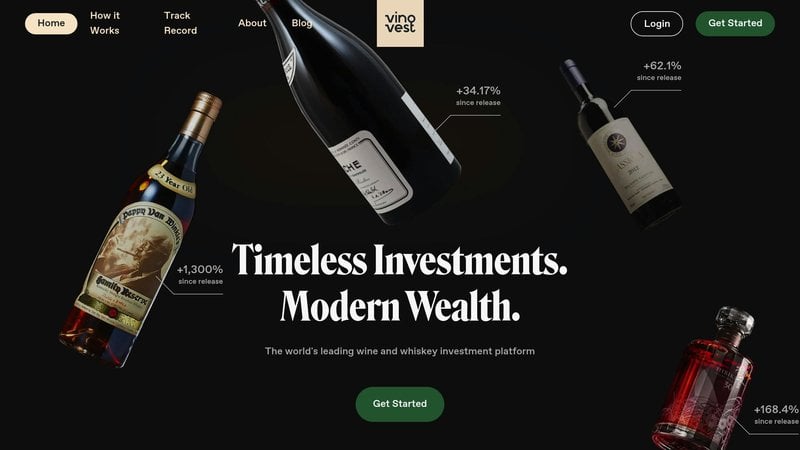
Platforms like Vinovest have embraced the value of artistic wine labels, weaving them into sophisticated investment strategies. By focusing on both the artistic and financial aspects of collectible wines, Vinovest ensures that the wines they select for portfolios carry both aesthetic appeal and investment potential. Labels created by renowned artists or featuring original designs often hold unique value due to their rarity and collectibility [33].
Vinovest evaluates several factors when selecting wines with artistic labels. These include the visual impact of the artwork, the rarity of the design, its historical significance, and whether it’s part of a limited edition release [2]. These artistic elements are analyzed alongside traditional metrics like the producer's reputation, the quality of the vintage, and overall market demand.
For clients interested in this niche, Vinovest provides access to wines from estates celebrated for their label collaborations. These include limited edition releases featuring exclusive designs, artist partnerships, or labels commemorating important milestones for the winery [2]. This approach underscores the idea that labels capable of telling a wine’s story - its origin, personality, or history - tend to perform exceptionally well [33].
Vinovest’s advisors stay on top of market trends, carefully monitoring how design innovations and artist collaborations influence wine values. Their expertise helps clients understand when a wine’s artistic elements justify a premium price and which labels are likely to appreciate over time. By blending art and traditional wine evaluation, Vinovest continues to turn wine labels into both cultural symbols and lucrative investments.
Conclusion: Art and Investment Combined
Wine labels uniquely bring together the charm of art and the potential for financial growth, creating an investment option that appeals to both emotion and practicality. Unlike traditional investments that revolve around raw numbers, artistic wine labels add a layer of emotional value, connecting investors to the rich heritage and craftsmanship behind each bottle [37].
When wineries integrate artistic design with winemaking, they create collectibles that hold lasting value. Eye-catching labels aren’t just about aesthetics - they’re about crafting assets that grow in value over time, driven by rarity, provenance, and artistic quality [37].
Consumer psychology plays a key role in this market. Research shows that glossy finishes outperform matte, and textured labels foster stronger emotional connections with buyers [36]. One Napa Valley winery even saw a 20% sales increase by leveraging these design elements [34].
But the appeal of artistic wine labels goes beyond their visual and tactile qualities. As Christine Havens, Marketing Director for Lange Estate, puts it:
"I think art is universally appreciated, and it taps into some aspect of our being in a fundamental and non-verbal way." [35]
This universal resonance supports a unique investment model where collectors can enjoy the beauty of their acquisitions while also growing their wealth. Platforms like Vinovest, with their curated portfolios of fine wines, demonstrate how artistic elements can amplify long-term investment potential by complementing traditional metrics with creative design [38].
Artistic wine labels cater to a wide range of preferences, from sleek modern styles to collaborations with renowned artists. This diversity offers something for every type of investor. Combined with the tangible nature of fine wine, it creates an investment experience that engages the senses while building financial value.
Invest in wines with lasting cultural and collectible value. Explore Vinovest’s managed portfolios to access bottles from top producers, including labels that carry rarity, provenance, and long-term market appeal.