Premier Cru vs Grand Cru: The Complete Guide to French Wine Classifications and Investment (2026)
"Grand Cru." "Premier Cru." "First Growth." These terms appear on wine labels worldwide, promising quality and prestige. But what do they actually mean? And why do the definitions change depending on which French region you're discussing?
Understanding these classification systems isn't just academic — it's essential for anyone buying, collecting, or investing in fine French wine. Classification determines pricing, affects liquidity, and shapes investment returns. A wine's place in the hierarchy directly impacts its market value and appreciation potential.
This guide demystifies France's wine classification systems, covering Burgundy, Bordeaux, Champagne, and Alsace. We'll explain what each designation means, how they affect pricing, and how investors can use classification knowledge to build smarter wine portfolios.
Further reading
- Discover 8 Fine Chablis Premier Cru White Wine Bottles.
- While you're at it, also discover The 5 Brilliant First Growths of Bordeaux.
The Fundamental Principle
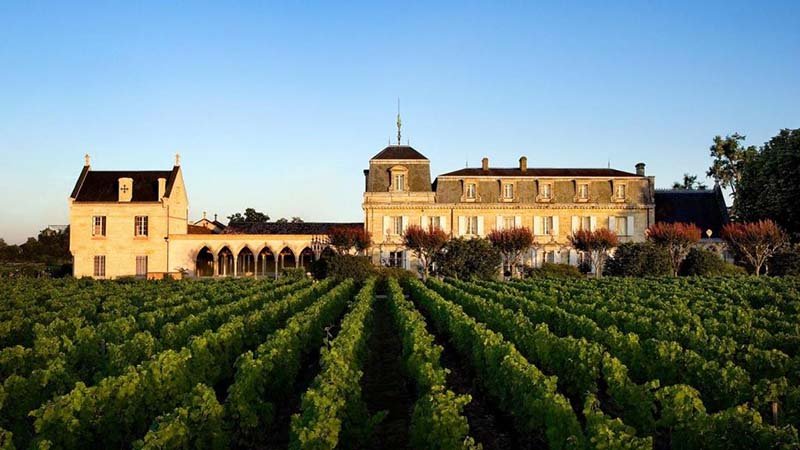
At its core, the French cru system classifies vineyards (and in Bordeaux, estates) based on their proven ability to produce exceptional wine. The word "cru" translates roughly to "growth" — referring to where grapes are grown and, by extension, the quality potential of that specific site.
Grand Cru means "great growth" — the highest classification.
Premier Cru means "first growth" — which confusingly can be either the highest OR second-highest tier depending on the region.
Here's where it gets complicated: each major French wine region developed its own classification system at different times, with different criteria, and different terminology. What "Premier Cru" means in Bordeaux is completely different from what it means in Burgundy.
This isn't arbitrary — it reflects centuries of observation about which sites consistently produce superior wine, combined with political and commercial factors that shaped how each region organized itself.
Burgundy: The Vineyard-Based Pyramid
Burgundy's classification system is the most terroir-focused in France. Unlike Bordeaux (which classifies estates), Burgundy classifies vineyard plots — called "climats" — based on centuries of observation about which sites consistently produce the finest wines.
This vineyard focus means the same classification applies regardless of who owns or farms the land. The monks of the Abbey of Saint-Vivant began systematically studying vineyard quality in the Middle Ages, and their observations formed the foundation for today's hierarchy.
The Four-Tier Hierarchy
Grand Cru (Grands Crus) — The Summit
- 33 red wine climats and 8 white wine climats in the Côte d'Or
- Represents approximately 1-2% of Burgundy production
- Labels show ONLY the vineyard name (e.g., "Romanée-Conti," "Chambertin," "Montrachet")
- No village name appears — Grand Cru status speaks for itself
- 2026 pricing: $200-$25,000+ per bottle depending on producer and vineyard
Premier Cru (Premiers Crus) — Exceptional Quality
- ~635 classified climats across Côte d'Or and Côte Chalonnaise
- Represents approximately 10-12% of Burgundy production
- Labels show village name + "Premier Cru" or vineyard name (e.g., "Meursault Charmes 1er Cru")
- Often abbreviated as "1er Cru"
- 2026 pricing: $50-$500+ per bottle
Village Wines (Appellation Communale) — Named Villages
- 44 village appellations including Meursault, Gevrey-Chambertin, Volnay
- Represents approximately 35-37% of production
- Labels show village name only (e.g., "Volnay," "Nuits-Saint-Georges")
- 2026 pricing: $30-$150 per bottle
Regional Wines (Appellation Régionale) — Broadest Category
- 22 regional appellations including Bourgogne, Hautes-Côtes de Nuits
- Represents approximately 50-52% of production
- Grapes can come from anywhere within the designated region
- 2026 pricing: $15-$50 per bottle
Burgundy Grand Cru Investment Analysis
Grand Cru Burgundy represents the most sought-after category for wine investment, commanding extraordinary prices and demonstrating strong appreciation:
Price Premium: Grand Cru wines command 3-10x Premier Cru prices from the same producer. A producer's Gevrey-Chambertin Premier Cru might sell for $150 while their Chambertin Grand Cru commands $800+.
Investment Performance: The Liv-Ex Burgundy 150 index has returned +227% over 10 years, significantly outperforming the broader fine wine market. Top Grand Cru wines from elite producers have shown even stronger performance.
Key Investment-Grade Grand Crus (Red):
- Romanée-Conti: $25,000-$35,000+ per bottle (DRC monopole)
- La Tâche: $5,500-$8,500 per bottle (DRC monopole)
- Chambertin: $300-$3,000+ depending on producer
- Musigny: $400-$2,500+ depending on producer
- Richebourg: $400-$6,000+ depending on producer
- Clos de Vougeot: $200-$800+ depending on producer
Key Investment-Grade Grand Crus (White):
- Montrachet: $500-$12,000+ depending on producer
- Chevalier-Montrachet: $300-$800+ depending on producer
- Bâtard-Montrachet: $250-$700+ depending on producer
- Corton-Charlemagne: $150-$600+ depending on producer
The Producer Factor
Critical insight: In Burgundy, producer reputation matters as much as vineyard classification.
Example: A Chambertin from Domaine Armand Rousseau might trade at $2,500, while Chambertin from a lesser-known producer sells for $400. Same Grand Cru, vastly different prices and investment profiles.
Top Burgundy Producers for Investment:
- Domaine de la Romanée-Conti (DRC): The benchmark
- Domaine Leroy: Biodynamic, tiny production, extraordinary prices
- Domaine Armand Rousseau: Chambertin specialist
- Domaine Georges Roumier: Bonnes-Mares, Musigny
- Domaine Dujac: Elegant, age-worthy wines
- Domaine Coche-Dury: White Burgundy benchmark
- Domaine Leflaive: Puligny-Montrachet master
Investment Implication: Never buy Grand Cru Burgundy solely based on classification. Research producer reputation, vintage quality, and provenance before purchasing.
Monopoles: Single Ownership Premium
Monopoles are Grand Cru or Premier Cru vineyards entirely owned by a single producer:
- Romanée-Conti (1.81 ha, DRC): ~$30,000/bottle
- La Tâche (6.06 ha, DRC): ~$7,000/bottle
- Clos de Tart (7.53 ha, Pinault family): ~$500/bottle
- La Romanée (0.85 ha, Comte Liger-Belair): ~$3,000/bottle
- Clos des Lambrays (8.66 ha, LVMH): ~$300/bottle
Investment Rationale: Monopoles command premiums because there's no producer quality variation — every bottle represents that vineyard's singular expression under consistent ownership.
Bordeaux: The Estate-Based System
Bordeaux classifies châteaux (estates) rather than vineyards. This means a classified property can expand its vineyard holdings, and new plantings inherit the estate's classification — fundamentally different from Burgundy's fixed vineyard boundaries.
The 1855 Classification (Médoc & Sauternes)
Created for the Paris World's Fair at Napoleon III's request, the 1855 Classification ranked Bordeaux's finest estates based on their trading prices and reputations. It remains essentially unchanged 170 years later.
First Growths (Premiers Crus Classés) — The Pinnacle
Five châteaux hold this elite status:
Château Lafite Rothschild (Pauillac): $600-$1,200 per bottle
Château Latour (Pauillac): $500-$1,000 per bottle
Château Margaux (Margaux): $500-$900 per bottle
Château Haut-Brion (Pessac-Léognan): $450-$800 per bottle
Château Mouton Rothschild (Pauillac): $450-$800 per bottle (elevated 1973)
Investment Performance: First Growths represent the most liquid category in fine wine investment. The Liv-Ex Bordeaux 500 provides benchmark tracking. Over 10 years, First Growths have returned approximately +30-50% depending on vintage selection.
Second through Fifth Growths
- 14 Second Growths (Deuxièmes Crus): $80-$300 per bottle
- 14 Third Growths (Troisièmes Crus): $50-$150 per bottle
- 10 Fourth Growths (Quatrièmes Crus): $40-$100 per bottle
- 18 Fifth Growths (Cinquièmes Crus): $35-$80 per bottle
Total: 61 châteaux in the 1855 Classification
Super Seconds: The Investment Opportunity
Several Second Growth estates consistently produce wines rivaling First Growths in quality, creating value opportunities:
Top Super Seconds:
- Château Léoville-Las Cases (Saint-Julien): $150-$250/bottle
- Château Palmer (Margaux): $200-$350/bottle
- Château Pichon-Longueville Baron (Pauillac): $100-$180/bottle
- Château Pichon-Longueville Comtesse de Lalande (Pauillac): $100-$180/bottle
- Château Cos d'Estournel (Saint-Estèphe): $120-$200/bottle
- Château Ducru-Beaucaillou (Saint-Julien): $100-$180/bottle
Investment Thesis: Super Seconds offer First Growth-comparable quality at 30-50% lower prices. If classifications were revised today, several would likely be elevated. This quality/price gap represents potential appreciation.
Saint-Émilion Classification
Saint-Émilion on Bordeaux's Right Bank created its own classification in 1955, revised approximately every 10 years (most recently 2022). This dynamic system creates unique investment considerations.
Current Hierarchy (2022 Revision):
Premier Grand Cru Classé "A" — The Elite:
- Château Cheval Blanc: $400-$700/bottle
- Château Ausone: $400-$700/bottle
- Château Figeac: $200-$350/bottle (elevated 2022)
- Château Pavie: $200-$350/bottle (elevated 2012)
Notable: Châteaux Angélus and Canon withdrew from the 2022 classification rather than participate in the controversial evaluation process.
Premier Grand Cru Classé "B": 14 estates
Grand Cru Classé: 71 estates
Investment Implications:
- Promotion potential: Estates promoted to higher tiers often see immediate price appreciation (Figeac rose ~30% following 2022 "A" elevation)
- Demotion risk: Unlike stable 1855, Saint-Émilion estates can be demoted, creating downside risk
- Political factors: The classification process involves subjective elements; the 2022 controversies highlighted this risk
Understanding "Premier Cru" in Bordeaux vs. Burgundy
Critical Distinction:
In Bordeaux 1855, "Premier Cru" (First Growth) is the HIGHEST designation — the five most prestigious estates.
In Burgundy, "Premier Cru" is the SECOND-HIGHEST designation — below Grand Cru.
This confusion is real and consequential. A "Premier Cru Bordeaux" is worth $500-$1,200; a "Premier Cru Burgundy" might be $50-$300. Know which region you're discussing.
Champagne: Village-Based Classification
Champagne's classification focuses on villages rather than individual vineyards or estates. The system originated as a pricing mechanism for grape transactions.
The Échelle des Crus
Grand Cru: 17 villages rated 100%
Located in the Côte des Blancs, Montagne de Reims, and Vallée de la Marne:
- Avize, Aÿ, Bouzy, Cramant, Ambonnay, Le Mesnil-sur-Oger, Oger, Oiry, Verzenay, Verzy, Chouilly, and others
Premier Cru: 42 villages rated 90-99%
Other Villages: Previously rated 80-89%
The percentage originally determined grape prices paid to growers. Though the pricing system ended in 1999, the quality designations persist on labels.
Champagne Investment Considerations
For investment, Champagne village classifications matter less than producer and cuvée:
Prestige Cuvées Transcend Village Classification:
- Dom Pérignon: $290-$550/bottle (Brut/Rosé current vintage)
- Louis Roederer Cristal: $300-$850/bottle
- Krug Grande Cuvée: $250-$350/bottle
- Salon: $600-$900/bottle
- Taittinger Comtes de Champagne: $200-$400/bottle
Grower Champagne Emerging:
Small estate-bottled Champagnes from Grand Cru villages gaining collector interest:
- Jacques Selosse: $200-$600/bottle
- Egly-Ouriet: $80-$200/bottle
- Pierre Gimonnet: $40-$80/bottle
Investment Insight: Grower Champagnes represent potential value — quality often rivals grandes marques at lower prices, with scarcity premiums emerging as recognition grows.
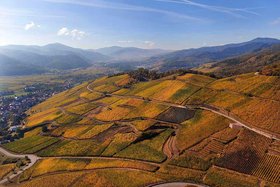
Alsace: Grand Cru Vineyards
Alsace created its Grand Cru classification in 1975, with 51 designated vineyards across the region. This is France's youngest major classification system.
Permitted Varieties (Grand Cru):
- Riesling (most prestigious)
- Gewürztraminer
- Pinot Gris
- Muscat
Notable Exception: Pinot Noir is not permitted for Grand Cru designation in Alsace, despite growing interest in the variety.
Key Alsace Grand Cru Vineyards
Investment-Grade Alsace Grand Crus:
- Schlossberg (Kaysersberg): Riesling benchmark; granite soils; mineral, age-worthy
- Rangen (Thann): Volcanic terroir; intensely mineral; southernmost Grand Cru
- Brand (Turckheim): Complex, structured wines; granite/gneiss
- Hengst (Wintzenheim): Powerful, marl-limestone; great aging potential
- Sommerberg (Niedermorschwihr): Steep granite; pure, focused Riesling
- Furstentum (Kientzheim): Limestone; elegant, complex
Alsace Producer Hierarchy
Unlike Burgundy where classification is paramount, Alsace quality depends heavily on producer:
Top Alsace Producers:
- Domaine Weinbach: Benchmark across varieties; exceptional Riesling
- Trimbach: Clos Ste. Hune (not classified Grand Cru but commands Grand Cru+ prices)
- Domaine Zind-Humbrecht: Biodynamic pioneer; powerful, complex wines
- Marcel Deiss: Controversial blended approach; terroir-focused
- Albert Boxler: Small production; exceptional purity
- Josmeyer: Elegant, food-friendly style
2026 Pricing: $30-$150 per bottle for Grand Cru (dramatically undervalued relative to quality)
Investment Opportunity: Alsace Grand Cru represents one of fine wine's most undervalued categories. Quality approaches Grand Cru Burgundy white wine at 10-20% of the price. Limited investment market historically, but growing collector recognition suggests potential appreciation. The best Grand Cru Rieslings can age 20-40+ years, developing extraordinary complexity.
German Classification: A Brief Comparison
Understanding German wine classification helps contextualize French systems:
Prädikat System (Ripeness-Based)
German classification traditionally emphasized grape ripeness at harvest:
- Kabinett: Lightest, often off-dry
- Spätlese: Late harvest, richer
- Auslese: Select harvest
- Beerenauslese (BA): Individual berry selection
- Trockenbeerenauslese (TBA): Botrytis-affected
- Eiswein: Frozen grape harvest
VDP Classification (Vineyard-Based)
The VDP (Verband Deutscher Prädikatsweingüter) created a Burgundy-inspired vineyard classification:
- Grosse Lage: Grand Cru equivalent
- Erste Lage: Premier Cru equivalent
- Ortswein: Village level
- Gutswein: Regional level
Investment Insight: VDP Grosse Lage wines from top producers (Egon Müller, JJ Prüm, Dönnhoff) represent genuine investment potential, though the market is less liquid than French equivalents.
Classification and Investment Strategy
Using Classification for Portfolio Construction
Blue-Chip Strategy (Lower Risk, Proven Track Record):
- First Growth Bordeaux (all five châteaux)
- Grand Cru Burgundy from top-10 producers
- Prestige Champagne (Dom Pérignon, Cristal, Krug)
- Allocation: 50-70% of wine portfolio
- Expected Returns: 5-10% annually, with strong liquidity
Value Strategy (Higher Potential, Requires Expertise):
- Super Second Bordeaux (Léoville-Las Cases, Palmer, Cos d'Estournel)
- Rising-star Premier Cru Burgundy producers
- Grower Champagne from Grand Cru villages
- Alsace Grand Cru from top estates
- Allocation: 20-35% of wine portfolio
- Expected Returns: 8-15% annually if selection is skilled
Speculative Strategy (Higher Risk, Higher Potential Return):
- Saint-Émilion estates potentially facing promotion
- Emerging Burgundy producers building reputation
- Cult grower Champagnes with allocation scarcity
- Allocation: 10-20% of wine portfolio
- Expected Returns: Variable; 20%+ possible but so is underperformance
Vintage Considerations Within Classifications
Classification provides quality floor, but vintage variation matters enormously:
Bordeaux Great Vintages (premium investment targets):
- 2020, 2019, 2018, 2016, 2015, 2010, 2009, 2005, 2000
Burgundy Great Vintages (red):
- 2020, 2019, 2018, 2017, 2015, 2012, 2010, 2009, 2005
Burgundy Great Vintages (white):
- 2020, 2019, 2017, 2014, 2013, 2010
Champagne Prestige Vintages:
- 2012, 2008, 2006, 2002, 1996
Investment Rule: A First Growth from a weak vintage may underperform a Second Growth from a great vintage. Always evaluate vintage alongside classification.
Price Premiums by Classification (2026)
Region | Top Tier | Second Tier | Premium Ratio
Burgundy | Grand Cru | Premier Cru | 3-10x
Bordeaux | First Growth | Second Growth | 3-5x
Champagne | Prestige Cuvée | Grand Cru Grower | 2-4x
Alsace | Top Grand Cru | Village | 2-3x
Liquidity Considerations
Most Liquid (easiest to sell, tightest bid/ask spreads):
- Bordeaux First Growths (global recognition, active trading)
- Top Burgundy Grand Crus from elite producers (DRC, Leroy, Rousseau)
- Prestige Champagne (Dom Pérignon, Cristal)
Moderately Liquid (weeks to sell, may require modest discount):
- Bordeaux classified growths (Second through Fifth)
- Well-known Burgundy producers at all classification levels
- Established grower Champagne brands
Less Liquid (months to sell, may require significant discount):
- Lesser-known Burgundy producers regardless of classification
- Alsace (limited auction market presence)
- Saint-Émilion below Premier Grand Cru Classé level
- German wines (small collector base)
Practical Applications for Buyers
Buying Burgundy by Classification
Grand Cru Strategy:
- Budget: $200-$2,000+ per bottle
- Focus: Top 10 producers
- Purchase: En primeur or shortly after release
- Hold: 10-20 years for investment; 8-25 years for drinking
Premier Cru Strategy (often better value):
- Budget: $50-$300 per bottle
- Focus: Top producers' Premier Cru offerings
- Reality: A Rousseau Clos St. Jacques (Premier Cru) rivals many Grand Crus
- Opportunity: Quality approaching Grand Cru at 30-50% lower prices
Village Wine Strategy (excellent entry point):
- Budget: $30-$100 per bottle
- Focus: Great producers' entry wines
- Purpose: Learning, drinking, discovering producers before investing at higher levels
Buying Bordeaux by Classification
First Growth Strategy:
- Budget: $400-$1,200 per bottle (recent vintages)
- Best Value: Great vintages 10-15 years after release
- Risk: Prices are high; appreciation potential moderate
- Advantage: Maximum liquidity for eventual sale
Super Second Strategy (optimal value/quality):
- Budget: $80-$250 per bottle
- Target: Léoville-Las Cases, Palmer, Pichon-Baron/Lalande, Cos d'Estournel, Ducru-Beaucaillou
- Advantage: Quality rivals First Growths at 30-50% discount
- Risk: If promoted (unlikely), significant appreciation possible
Fifth Growth Strategy (hidden value):
- Budget: $35-$80 per bottle
- Reality: Classification hasn't changed since 1855; quality has improved dramatically
- Targets: Lynch-Bages, Grand-Puy-Lacoste, Pontet-Canet
- Risk: Lower brand recognition limits liquidity
Buying Champagne by Classification
Prestige Cuvée Strategy:
- Budget: $150-$600 per bottle
- Focus: Dom Pérignon, Cristal, Krug, Salon
- Advantage: Brand recognition, proven appreciation, strong liquidity
- Note: Village classification matters less than house reputation
Grower Champagne Strategy (emerging opportunity):
- Budget: $40-$200 per bottle
- Focus: Producers in Grand Cru villages (Selosse, Egly-Ouriet, Gimonnet)
- Advantage: Quality rivaling grandes marques at fraction of price
- Risk: Smaller production, less established resale market
Common Misconceptions Clarified
Misconception: Grand Cru always means better than Premier Cru
Reality: True in Burgundy; REVERSED in Bordeaux 1855 where "Premier Cru" is the highest tier. Always know which region you're discussing.
Misconception: Classified wines are always better than unclassified wines
Reality: Classifications reflect historical reputation, which may not match current quality. Some unclassified estates (Pomerol has no classification; Le Pin and Pétrus are unclassified yet among Bordeaux's most valuable) dramatically outperform classified neighbors.
Misconception: Classifications are regularly updated to reflect quality changes
Reality: Only Saint-Émilion revises regularly (~every 10 years). Bordeaux 1855 has changed once in 170 years (Mouton's 1973 elevation). Burgundy's Grand Crus were fixed in 1936 and haven't changed since.
Misconception: Higher classification always equals higher price
Reality: Producer reputation, vintage quality, condition, and provenance affect prices as much as classification. A Clos de Vougeot (Grand Cru) from an unknown producer may sell for less than Gevrey-Chambertin (Village) from a legendary estate.
Misconception: You need Grand Cru to have investment-grade wine
Reality: Premier Cru Burgundy from elite producers, Super Second Bordeaux, and prestige Champagne all have strong investment track records. Classification is one factor among many.
The Bottom Line
French wine classifications provide a framework for understanding quality hierarchies, but they're not a complete guide to value or quality. The key insights for investors and collectors:
Know your region: "Premier Cru" means opposite things in Bordeaux and Burgundy — this is the most common source of confusion
Producer trumps classification: In Burgundy especially, who makes the wine matters as much as where it's grown
Understand the history: Classifications reflect historical context; quality evolves faster than categories can change
Use classification strategically: Begin research with classification, then dig deeper into producers, vintages, and market dynamics
Recognize value opportunities: Super Seconds, top Premier Crus, and underappreciated Grand Crus can outperform higher-classified wines on a risk-adjusted basis
For collectors and investors, classifications help identify wines with proven track records and market recognition. But the real skill lies in finding exceptional value within and sometimes outside these hierarchical systems — and understanding which classifications drive liquidity versus which drive quality.
Frequently Asked Questions
Why doesn't Bordeaux update the 1855 Classification?
The 1855 Classification has become culturally and commercially sacred. First Growths benefit from their status and oppose any revision that might demote them. Lower-classified estates that have improved could pursue reclassification, but the political complexity and potential for litigation makes revision impractical. The one exception — Mouton's 1973 elevation — required decades of lobbying and exceptional circumstances.
Can a Premier Cru Burgundy be better than a Grand Cru?
Absolutely. Producer quality varies enormously within each classification level. A Premier Cru from Domaine Leroy or Georges Roumier will outperform a Grand Cru from a mediocre producer in both quality and investment returns. The classification tells you about terroir potential; the producer determines whether that potential is realized.
Is Pomerol classified?
No. Pomerol has never established an official classification, despite containing some of Bordeaux's most valuable wines (Pétrus, Le Pin, Lafleur). Wines are evaluated on producer reputation and market pricing rather than formal hierarchy. This makes Pomerol simultaneously exciting (no status constraints) and risky (no classification floor for quality).
What's the difference between Grand Cru in Burgundy vs. Alsace?
Both designate top vineyard sites, but market recognition differs dramatically. Burgundy Grand Cru (33 red, 8 white vineyards) commands extraordinary premiums and has established investment markets. Alsace Grand Cru (51 vineyards) is newer (1975), less recognized internationally, and dramatically undervalued relative to quality. An Alsace Grand Cru Riesling might cost $50; comparable quality Burgundy white would be $300+.
How do I verify a wine's classification?
Labels must accurately state classification by French law. For verification:
- Burgundy: Grand Cru shows only vineyard name; Premier Cru shows village + vineyard or "Premier Cru"
- Bordeaux 1855: Label states "Premier Grand Cru Classé," "Deuxième Grand Cru Classé," etc.
- Saint-Émilion: Label states "Premier Grand Cru Classé A/B" or "Grand Cru Classé"
- Champagne: "Grand Cru" or "Premier Cru" on label
Do classifications affect aging potential?
Indirectly. Higher classifications generally indicate better terroir, which typically produces wines with greater structure and aging potential. However, winemaking decisions (extraction, oak usage, alcohol levels) also affect longevity. A well-made Premier Cru may age better than a poorly-made Grand Cru.
Should I only invest in classified wines?
No. While classification provides quality floor and liquidity advantages, some unclassified wines (Pomerol, Super Tuscans, California cult wines) have excellent investment track records. Classification is one factor among many — producer reputation, critical scores, production volume, and storage history also matter for investment returns.
Building Your Classification Knowledge
Recommended Learning Path
Stage 1 (Months 1-3): Learn basic hierarchy for each region. Understand Premier Cru means different things in Burgundy vs. Bordeaux.
Stage 2 (Months 3-6): Memorize key producers within each classification level. Taste examples from each tier to understand quality differences.
Stage 3 (Months 6-12): Study specific vineyards (Burgundy Grand Crus), estates (Bordeaux 1855), and villages (Champagne). Understand why certain sites received their designations.
Stage 4 (Year 2+): Develop nuanced understanding of undervalued classifications, emerging producers, and market dynamics that create investment opportunities.
Resources for Classification Study
Books:
- The World Atlas of Wine (Johnson & Robinson): Visual classification maps
- Inside Burgundy (Jasper Morris MW): Comprehensive Burgundy classification coverage
- Bordeaux (Robert Parker): 1855 and beyond
- The Oxford Companion to Wine: Technical definitions
Websites:
- Liv-Ex.com: Classification-based pricing data
- Wine-Searcher.com: Market pricing by classification
- BurgDirect.com: Burgundy vineyard mapping
- 1855.com: Bordeaux classification resources
Tasting Practice:
- Compare Village vs. Premier Cru vs. Grand Cru from same Burgundy producer
- Taste across 1855 classification tiers (First through Fifth Growth)
- Compare Grand Cru village Champagne to negociant Brut
Build a French wine portfolio with Vinovest. Get help choosing the right producers inside each classification tier, then track and manage your bottles over time.