Sweet Wine With High Alcohol Content: Top 10 Bottles & Food Pairings (2026)
The sweetest, highest-alcohol wines are fortified styles — Port, Madeira, and Sherry — which typically run 17–22% ABV because grape spirit is added during fermentation. Among unfortified wines, late-harvest and noble-rot styles like Sauternes and Tokaji can also reach 13–14.5% ABV while retaining significant residual sugar, since their exceptionally ripe grapes contain enough natural sugar to produce both sweetness and higher alcohol through fermentation alone.
Most people assume sweet wine and high alcohol content are opposites — sweeter wines are usually lower in ABV because fermentation is stopped early, before all the sugar converts to alcohol. But a small, remarkable category of wines manages both at once, and understanding how they do it reveals two very different winemaking traditions.
Further reading
- Explore some of the most irresistible Sweet Wine Styles.
- Also, discover the Strongest Wines to add more buzz to your tipple.
How Wine Achieves Both Sweetness and High Alcohol
There are two distinct routes to a sweet, high-alcohol wine, and they produce genuinely different results:
- Fortification. A distilled grape spirit (usually around 77% ABV) is added partway through fermentation. This kills the yeast, halting fermentation while significant natural sugar remains, and simultaneously boosts the wine's overall alcohol content. This is how Port, Sherry, and Madeira are made.
- Extreme natural ripeness. Grapes affected by noble rot (botrytis) or left to shrivel on the vine (late harvest, ice wine) develop such concentrated natural sugar that even full, unstopped fermentation leaves substantial residual sugar behind while also producing a fully fermented, higher-alcohol wine. This is how Sauternes, Tokaji, and German Trockenbeerenauslese achieve their combination of sweetness and strength.
Top Sweet, High-Alcohol Wine Styles
| Style |
Typical ABV |
How It's Made |
|---|---|---|
| Vintage Port | 19–20% | Fortified |
| Madeira (Bual, Malmsey) | 18–20% | Fortified + heat-aged |
| Cream Sherry (Pedro Ximénez) | 17–22% | Fortified |
| Sauternes | 13–14.5% | Noble rot, fully fermented |
| Tokaji Aszú | 9–14% | Noble rot, partially fermented |
| German Trockenbeerenauslese | 7–11% | Noble rot, partially fermented |
Fortified Styles: Port, Madeira and Sherry
Vintage Port from the Douro Valley combines rich, sweet dark-fruit flavor with 19–20% ABV and, in the best examples, remarkable ageing potential of 30–50 years or more. Our Vintage Port investment guide covers the category's top producers and how declared vintages work.
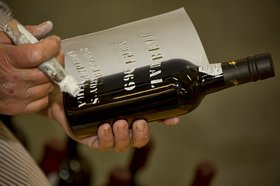
Madeira from the Portuguese island of the same name is uniquely durable among wines — the deliberate heating process used in production means it doesn't spoil once opened, a genuinely rare quality. Its sweeter styles, Bual and Malmsey, both run 18–20% ABV. See our Madeira investment guide for the full picture on this remarkable, near-indestructible category.
Sherry from Jerez, Spain covers a wide sweetness spectrum, but its sweetest styles — particularly Pedro Ximénez (PX) — are intensely sweet, almost syrupy, with raisin and molasses character, and can reach up to 22% ABV in some fortified expressions.
Naturally Sweet, High-Alcohol Styles: Sauternes and Tokaji
Sauternes, from Bordeaux, is made from grapes affected by noble rot (Botrytis cinerea), a beneficial fungus that shrivels the grapes and concentrates their sugar dramatically. Because fermentation proceeds naturally without fortification, Sauternes typically reaches a genuinely fermented 13–14.5% ABV while retaining substantial sweetness — the noble rot provides enough sugar for both outcomes at once.
Tokaji Aszú from Hungary works on the same noble-rot principle but with a wider ABV range depending on the puttonyos (sweetness) level — lighter styles sit closer to dry-wine ABV, while more concentrated bottlings trend lower in alcohol as sugar dominates. Our Tokaji investment guide covers the category in depth, including Eszencia, the most extreme expression of the style.
Serving and Food Pairing
Sweet, high-alcohol wines are almost always served in smaller pours than table wine — typically 2–3 oz rather than a full 5 oz glass — reflecting both their intensity and higher alcohol content. Fortified styles like Port and PX Sherry pair beautifully with chocolate, blue cheese, and rich desserts; Sauternes is the classic partner for foie gras and also works well with citrus-based desserts; Tokaji's high acidity makes it a versatile match for anything from foie gras to spicy dishes.
Frequently Asked Questions
What is the sweetest, highest-alcohol wine you can buy?
Pedro Ximénez (PX) Sherry combines some of the most intense sweetness in wine with alcohol content up to 22% ABV, making it one of the most extreme examples of the category.
Why don't all sweet wines have high alcohol?
Most sweet wines achieve their sweetness by stopping fermentation early, before sugar fully converts to alcohol — which naturally caps ABV. Only fortified wines (spirit added directly) or wines from extremely ripe, noble-rot-affected grapes (enough natural sugar for both sweetness and full fermentation) manage to combine high sugar with high alcohol.
Do sweet, high-alcohol wines age well?
Many of the best examples — Vintage Port, top Sauternes, and Tokaji — are among the longest-lived wines in the world, capable of ageing for decades thanks to the natural preservative effect of high sugar, high alcohol, and (for fortified styles) the wine's already-stable chemistry.
Sweet, high-alcohol wines represent some of the most technically remarkable and, in several cases, genuinely collectible styles in the entire wine world. For investors interested in exploring the category's investment-grade end — Vintage Port, Madeira, and Tokaji among them — see the pricing page or explore how wine investing works.
Post updated August 2026 by the Vinovest editorial team.