Pink Champagne: The Complete Guide to Rosé Champagne (2026)
Pink Champagne is one of the most misunderstood categories in the wine world. Despite being around since the early 19th century, rosé Champagne was dismissed for much of the 20th century as a frivolous, sweetened novelty. Madame Lily Bollinger, who ran the legendary Bollinger house until 1971, reportedly refused to ever produce a rosé. Bollinger's first rosé didn't appear until the mid-1980s. Today, that stance seems almost comically short-sighted.
Global consumption of rosé Champagne has risen by over 40% since 2002. It now accounts for roughly 10% of total Champagne production, consistently commands a price premium of 30–80% over its blanc counterparts, and includes some of the most critically acclaimed and investment-worthy bottles in the entire sparkling wine world. Dom Pérignon Rosé. Cristal Rosé. Krug Rosé. Billecart-Salmon Brut Rosé. These are not party wines — they are among the most serious and collectible Champagnes ever produced.
This guide covers everything: what pink Champagne actually is, how it gets its color, why it costs more, the full style spectrum, the best bottles at every price point, food pairing, storage, serving, and the investment case for prestige rosé Champagne.
Further reading
The Comité Champagne publishes the definitive annual data on rosé production volumes and shipment figures. Read the latest report.
Laurent-Perrier explains their saignée production method and what makes a great rosé Champagne. Read their rosé guide.
Liv-ex tracks the secondary market performance of the 16 most actively traded prestige Champagnes. Explore the Champagne 50 index.
What Is Pink Champagne?
Pink Champagne — formally known as Champagne Rosé — is a sparkling wine produced exclusively in the Champagne appellation of northeastern France. It is made from the same three permitted grape varieties as white Champagne: Chardonnay (finesse and acidity), Pinot Noir (body, red fruit character, and aging potential), and Pinot Meunier (fruitiness and accessibility). The pink color comes from the Pinot Noir or Pinot Meunier skins — not from a different grape variety, and not from added coloring or dye.
The Champagne region is one of the only wine appellations in the world where it is legally permitted to make rosé by blending red wine into white wine before secondary fermentation. In virtually all other French rosé appellations, this practice is forbidden. For Champagne Rosé, the AOC permits it because it gives winemakers exceptional control over color, style, and flavor consistency.
The color palette of rosé Champagne ranges remarkably widely — from barely-there pale blush (Laurent-Perrier and Ruinart are known for this delicate tone) to deep copper-salmon (common in macerated-style rosés). This variation reflects different production methods, grape compositions, and winemaker choices. There is no 'correct' shade — the color is aesthetic, not a quality indicator.
Like all Champagne, rosé is subject to strict AOC regulations. The wine must be produced in the Champagne region, from approved grape varieties, using the traditional method (méthode champenoise), and aged for a minimum of 15 months for non-vintage or 36 months for vintage before release.
A Brief History of Pink Champagne
The first rosé Champagnes appeared in the early 19th century, fashionable among Russian nobility who preferred them to drier blanc styles. For most of the 20th century, however, the category was associated with cheap, sweet 'pink bubbly' — a perception that damaged serious rosé Champagne by association.
The modern renaissance began in earnest in the 1960s and 1970s, driven by houses like Laurent-Perrier, which launched its iconic Cuvée Rosé in 1968 and gradually built it into one of the most recognized bottles in the world. As quality improved and the category's image shifted from sweet novelty to sophisticated dry Champagne, demand accelerated rapidly.
Today, rosé Champagne is among the fastest-growing categories in the global sparkling wine market. Major houses that once dismissed rosé now consider it central to their portfolio — and their prestige rosé cuvées often command higher prices and more collector attention than their standard blanc counterparts.
How Pink Champagne Gets Its Color
The Assemblage Method (Blending)
The most widely used method, employed by the majority of major houses. A small percentage of Pinot Noir or Pinot Meunier still red wine — typically 5% to 20% — is added to the white base wine before secondary fermentation. The proportion added determines the depth of color, and this can be adjusted batch to batch, giving the winemaker extraordinary precision.
The resulting wines tend to be pale, delicate, and elegant — fine persistent bubbles, red fruit aromatics (strawberry, raspberry, red cherry, rose petal), and a bright, structured finish. Laurent-Perrier Brut Rosé, one of the world's most recognized rosé Champagnes, uses 100% Grand Cru Pinot Noir from 10 villages in the Montagne de Reims, macerating the skins 48–72 hours before pressing, then blending the resulting red wine into the white cuvée.
The Saignée Method (Skin Maceration)
The older and more labor-intensive method, used less commonly but prized by collectors for the distinctive character it produces. Red grape skins are left in contact with the juice for 8 to 36 hours (sometimes longer) before separation. The longer the skin contact, the deeper the color and the more tannin and phenolic structure extracted.
Saignée rosés are typically darker, richer, and more powerful — blackberry, pomegranate, red cherry, and sometimes earthy or meaty qualities that lean toward red wine in their intensity. Egly-Ouriet, one of the most critically celebrated grower-producer Champagnes, produces an exceptional saignée rosé from Grand Cru Ambonnay Pinot Noir that commands cult status among collectors.
What This Means for the Drinker
In practical terms: if you prefer pale, delicate, elegant rosé with fine bubbles and red fruit aromas, look for assemblage-method wines (Billecart-Salmon, Ruinart, Moët). If you prefer deeper, richer, more structured rosé with a vinous character, seek saignée producers. Very pale salmon pink almost always indicates assemblage; deeper copper or ruby tones suggest saignée.
Why Is Pink Champagne More Expensive?
Lower production volumes. Rosé represents only about 10% of total Champagne output. The specific Grand Cru villages producing the finest Pinot Noir for rosé — Bouzy, Ambonnay, Ay, Verzenay — are limited in size. Laurent-Perrier sources its entire rosé production from just 10 Grand Cru villages.
Higher raw material costs. Grand Cru Pinot Noir grape prices have risen sharply over two decades, driven by growing global demand for premium rosé. These are among the most expensive grapes in the Champagne appellation.
Additional production complexity. Whether by assemblage or saignée, rosé requires extra steps beyond standard blanc production. Saignée rosés require producing and managing a separate red still wine — a meaningful additional cost and labor commitment.
Prestige and demand. At the luxury tier, rosé Champagne has become a status symbol in its own right, particularly in Asian markets. The Dom Pérignon Rosé, Cristal Rosé, and Krug Rosé are aspirational objects as much as they are wines — and that perception translates directly into pricing.
Investment premium. The finest vintage rosé Champagnes have established strong track records of appreciation at auction, creating a collector demand premium that further supports prices for new releases.
The Pink Champagne Style Spectrum
Pink Champagne covers a wide range of sweetness levels, though the overwhelming majority of quality bottles sold today are dry:
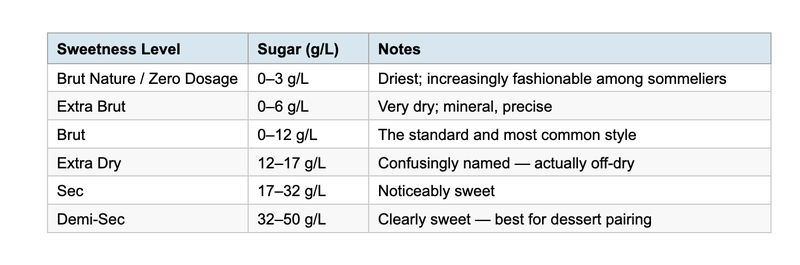
The serious rosé Champagne market — the wines discussed at fine restaurants, by collectors, and by investors — is overwhelmingly Brut or drier. Demi-sec and sec styles are real but niche. When you see a rosé from a serious house, assume it is dry unless the label says otherwise.
The Best Pink Champagnes to Buy in 2026
Entry Level ($40–$80)
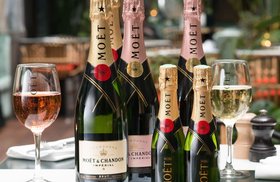
Moët & Chandon Rosé Impérial NV (~$55) — The world's most widely sold rosé Champagne. A blend of 40–50% Pinot Noir, 30–40% Pinot Meunier, and 10–20% Chardonnay, with 5–10% still red wine added. Vibrant wild strawberry, cherry, and rose petal aromas with a lively, fresh palate. An accessible entry point and reliable choice for everyday celebrations.
Nicolas Feuillatte Brut Rosé NV (~$40–$50) — An often-overlooked gem and one of the best value rosé Champagnes available. Pale pink, fresh red fruit character, consistently well-reviewed. An excellent choice when you need several bottles without breaking the budget.
Taittinger Brut Prestige Rosé NV (~$55–$70) — Wild berry flavors with hints of peach and brioche, a soft and delicate profile. More immediately approachable than many NV rosés at this price. An excellent introduction to Taittinger's house style.
Mid-Range ($80–$200)
Laurent-Perrier Cuvée Rosé Brut NV (~$85–$100) — The benchmark for non-vintage rosé Champagne worldwide. Made from 100% Grand Cru Pinot Noir macerated 48–72 hours by saignée. Stunning salmon-pink with aromas of wild strawberry, redcurrant, raspberry, and citrus blossom. Produced since 1968. One of the most trustworthy bottles in this category at any price.
Billecart-Salmon Brut Rosé NV (~$85–$100) — Made using a distinctive double cold-settling technique that produces extraordinary finesse. The family-owned house in Mareuil-sur-Aÿ has been producing this since 1818. Pale ballet-slipper pink, aromas of white peach, raspberry, rose petal, and brioche. Wine expert Tyson Stelzer has called it 'the greatest. Dollar-for-Champagne-dollar, no other aperitif speaks with such haunting fidelity.' Poured at Michelin-starred restaurants worldwide.
Ruinart Brut Rosé NV (~$90–$110) — The oldest Champagne house in the world (founded 1729) makes one of the most graceful non-vintage rosés. Chardonnay-dominant with Pinot Noir for the rosé element — unusual in a Pinot-dominant category — giving it a pale, mineral, linear, citrus-focused character. Exceptional with oysters.
Perrier-Jouët Blason Rosé NV (~$70–$90) — A softer, more floral style with wild strawberry, rose petal, and subtle pastry notes. Gentler acidity and a rounder, more immediately approachable character than Billecart-Salmon or Ruinart. Excellent for those who find high-acid rosé too austere.
Premium ($200–$400)
Taittinger Comtes de Champagne Rosé (~$200–$250) — One of the most beautiful prestige rosé Champagnes and arguably the best value at this level. Ethereal aromas of strawberry, pink grapefruit, blood orange, dried herbs, and white flowers. Extremely fine bubbles and excellent aging potential. The 2012 vintage is currently in a superb drinking window.
Bollinger La Grande Année Rosé (~$180–$250) — Full-bodied, Pinot Noir-dominant, darker in color than most, with dark cherry, blood orange, brioche, and a savory mineral undercurrent. Ages magnificently. The 2014 and 2012 vintages are particularly strong. A wine for substantial food.
Pol Roger Rosé Vintage (~$120–$160) — Precise, elegant, with red cherry, citrus, and toasted brioche notes that develop beautifully over 8–12 years. Often overlooked in favor of more famous names, but consistently outstanding and age-worthy. Exceptional with food.
Prestige Cuvée ($300–$700+)
Dom Pérignon Rosé (~$400–$550) — The most iconic rosé Champagne in the world. Produced only in exceptional years — notably no Rosé was declared in 2008. Aged 7–9 years minimum before release. Richer, more intense, and more structured than the Brut: wild strawberry, blood orange, fresh ginger, rose petal, toasty minerality. The 1996 Rosé now trades at $2,500–$4,500+ per bottle.
Louis Roederer Cristal Rosé (~$500–$700) — Made by saignée from single-vineyard Pinot Noir, aged 4–5 years before release. Perhaps the most age-worthy of all prestige rosés, with top vintages needing 15–20 years to fully reveal themselves. Very limited production. The 2006 has more than doubled in value since release.
Krug Rosé (~$350–$450) — Krug blends Pinot Noir still wine into their multi-vintage Grande Cuvée base, which already combines wine from up to 120 different villages and up to 10 different vintages. The result is vinous, profoundly layered, and complex — from red fruit and pastry through spice, coffee, and leather with time. Very different from lighter NV styles. Best served with substantial food.
Laurent-Perrier Alexandra Rosé Millésimé 2012 (~$250–$350) — 80% Pinot Noir, 20% Chardonnay, from Grand Cru vineyards, aged a minimum of 6 years. Intense salmon, ripe red fruit, delicate flowers, and mineral power that carries through a remarkably long finish.
Food Pairing: What to Eat with Pink Champagne
Pink Champagne's combination of acidity, fine effervescence, and red-fruit character makes it unusually food-friendly. The key principle is matching weight and intensity: lighter, delicate assemblage rosés pair best with delicate foods; richer, fuller saignée or vintage rosés can handle more substantial dishes.
Classic pairings: Salmon and rich fish (salmon tartare, sashimi, grilled salmon), oysters and shellfish, charcuterie and cured meats (prosciutto, smoked duck), soft fresh cheeses (Brie, Camembert, burrata), strawberries and light red fruit desserts.
Prestige cuvée pairings (Dom Pérignon Rosé, Cristal Rosé, Bollinger Grande Année Rosé): Caviar, roast duck with cherry or orange sauce, Wagyu beef or richly marbled red meat, white truffle pasta, seared foie gras. The structured tannins and depth of aged prestige rosé handle ingredients that would overwhelm most Champagne.
What to avoid: Over-sweet desserts, highly acidic salad dressings, green vegetables (asparagus, artichoke) that clash with the red-fruit profile, and very rich cream-based sauces with delicate assemblage rosés.
Serving Pink Champagne
Temperature. The optimal serving temperature is 46–50°F (8–10°C). Colder than most people expect, but this preserves fine bubbles and keeps the aromatic profile bright and precise. Chill in the refrigerator for 3 hours, or in an ice-water bucket for 20–25 minutes.
Glassware. A tulip-shaped glass — wider through the bowl, narrowing at the rim — outperforms both the traditional flute (too narrow to express aromas) and the wide coupe (lets carbonation dissipate too fast). For older prestige rosés, a regular white wine glass works excellently.
Opening. Remove the foil, untwist the wire cage while keeping your thumb over the cork, tilt the bottle at 45 degrees, and gently rotate the bottle (not the cork) while holding the cork firmly. Aim for a soft sigh, not a dramatic pop. The pop wastes the precious carbonation that took years to develop.
Decanting. Non-vintage rosé does not need decanting. Older vintage rosés (10+ years) can benefit from 15–20 minutes of air exposure in wide glasses to allow initial reductive notes to blow off and the wine to open up.
How Long Does Pink Champagne Last?
Unopened non-vintage rosé: Best within 3–5 years of purchase, stored correctly.
Unopened vintage rosé: 10–20+ years for top houses. Prestige cuvées can evolve for 25–35 years under professional conditions, often reaching true peak 15–20 years after the vintage.
Opened: Consume within 1–3 days with a quality Champagne stopper and refrigeration. Store the opened bottle upright in the fridge. The silver-spoon trick is a myth — it has no scientific basis whatsoever. Don't bother.
Storage conditions: Temperature 50–55°F (10–13°C), consistent; humidity 70–80%; horizontal orientation; darkness; no vibration. Professional bonded storage meets all conditions and provides the provenance documentation supporting auction resale.
Pink Champagne as an Investment
Rosé Champagne has become an increasingly serious investment category, driven by scarcity of top prestige rosé production, rising global demand, and the exceptional aging potential of vintage bottles. The most investment-worthy pink Champagnes share clear characteristics: vintage expressions from prestigious houses with long track records, limited quantities, and capacity for significant development over 15–30+ years.
Notable secondary market performance
1996 Dom Pérignon Rosé: ~$300–$400 at release → $2,500–$4,500+ todayLouis Roederer Cristal Rosé 2006: more than doubled since release2020 Sotheby's auction: 30-bottle Dom Pérignon Œnothèque Rosé lot sold for $170,000+ — a world record for a single lot of vintage Champagne
Non-vintage rosé Champagne is not an investment vehicle. Only vintage prestige cuvées with strong critical scores and impeccable provenance belong in a fine wine portfolio. Fine wine has historically delivered approximately 10–13% annual returns over three decades, with very low correlation to equity markets. Platforms like Vinovest allow investors to build diversified fine wine and Champagne portfolios with professional storage, authentication, and managed sale.
Frequently Asked Questions
Is pink Champagne sweet? The vast majority of quality rosé Champagne is dry — Brut style, fewer than 12 grams of sugar per liter. The misconception comes from cheap mass-market pink sparkling wine and older 19th-century demi-sec styles. If the label says Brut, you're drinking a dry wine.
Is pink Champagne just regular Champagne with food coloring? No. The pink color comes from blending Pinot Noir red wine into the white base (assemblage, most common) or from Pinot Noir skins in contact with the juice during pressing (saignée). Adding artificial colorants is explicitly prohibited under Champagne AOC regulations.
Why does pink Champagne cost more? Lower volumes, higher Grand Cru Pinot Noir grape costs, additional production complexity, and strong luxury/gift market demand. Typically 30–80% above the equivalent blanc from the same house.
Can you age pink Champagne? Non-vintage rosé: consume within 3–5 years. Vintage rosé from top producers: ages 15–30+ years, developing truffle, dried fruit, leather, and spice notes while retaining enough freshness and structure to stay alive.
What is the best pink Champagne for a special occasion? Mid-budget: Laurent-Perrier Cuvée Rosé or Billecart-Salmon Brut Rosé ($85–$100). Quality-to-price pinnacle: Taittinger Comtes de Champagne Rosé ($200–$250). True luxury: Dom Pérignon Rosé ($400–$550) or Krug Rosé ($350–$450).
The Bottom Line
Pink Champagne has completed one of the more remarkable image rehabilitations in the entire drinks world — from frivolous party novelty to one of the most sophisticated, collectible, and age-worthy sparkling wine categories on earth. The finest examples — from Laurent-Perrier and Billecart-Salmon at the NV level, through Taittinger Comtes and Bollinger Grande Année in the vintage mid-tier, to Dom Pérignon Rosé and Cristal Rosé at the summit — represent Champagne at its most complex and compelling.
Whether you're choosing a bottle for a celebration, building a cellar, or evaluating prestige rosé Champagne as part of a fine wine portfolio, understanding the full range — from how it's made to the vintage character to the house style — makes all the difference. For investors interested in prestige rosé Champagne as a long-term holding, Vinovest offers managed exposure to investment-grade bottles with professional storage, authentication, and access to bottles that rarely appear in retail channels.