Moet Champagne: 10 Best Bottles to Buy in 2026
Moët & Chandon is the world's largest Champagne producer — approximately 30 million bottles per year from 1,150 hectares of vineyards across the Champagne region. Its wines range from the iconic Brut Impérial at ~$51 to the century-spanning Esprit du Siècle at ~$9,000+. This guide covers the 10 best bottles, the house's remarkable history, winemaking secrets, food pairings, and the investment case.
Moët & Chandon has been making Champagne since 1743 — nearly three centuries during which it charmed Napoleon Bonaparte, appeared at royal weddings, launched the tradition of spraying Champagne at sporting victories, and became the world's most recognisable bubbly. It sits at the heart of the LVMH luxury empire alongside Dom Pérignon, Krug, Veuve Clicquot, and Hennessy.
What keeps Moët relevant in a crowded, quality-obsessed Champagne market is a combination of genuine scale advantage and consistent house style. At 38 million bottles annually, Moët can price its entry-level Brut Impérial more accessibly than smaller prestige houses — without sacrificing the non-vintage consistency that makes it a reliable choice for celebrations of every scale.
Further reading
- Check out this Complete Champagne Guide that covers wine styles, the best bottles to buy, and more.
- Want to invest in the finest, rarest wines in the world? Here's a guide on How to Invest in Wine With Just $1,000.
10 Best Moët Champagne Bottles to Buy in 2026
1. Moët & Chandon Brut Impérial NV — ~$51
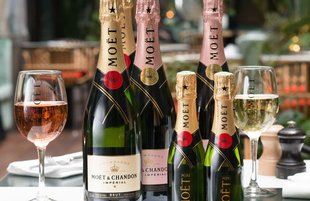
The flagship. The world's best-selling Champagne is built on the philosophy of consistent accessibility. The current release is a blend based on the 2018 vintage with approximately 30% reserve wines — Pinot Noir, Pinot Meunier, and Chardonnay from 800 parcels across 230 different villages. The result is a seductive palate of green apple and citrus flavours with aromas of brioche and biscuit and a distinctly high, clean acidity. Wine Spectator awarded it 90 points; the Champagne Masters awarded it Gold in both 2021 and 2022.
Best for: Celebrations of all kinds, aperitif occasions, mimosas, gifts where brand recognition matters
2. Moët & Chandon Rosé Impérial NV — ~$61
The NV Rosé uses approximately 10% red still Pinot Noir wine from Cumières for its distinctive pink-copper colour. The result is a wine with amplified red fruit character — wild strawberry, cherry, pomegranate — layered over the house's signature apple and citrus foundation. James Suckling has awarded it 92 points. At $10 more than the Brut Impérial, the Rosé is a strong gift choice for occasions where visual impact matters.
Best for: Summer events, gifts, aperitif occasions, pairing with fresh fruit and light salmon dishes
3. Moët & Chandon Ice Impérial — ~$62
Launched in 2010, Ice Impérial was the world's first Champagne officially designed to be served over ice. The winemaking team created a specific blend with slightly higher dosage (17 g/L) and a complementary aromatic profile designed to hold up when diluted by melting ice. Crisp, fresh fruitiness with distinguished fruit notes and a clean mineral finish. The choice for warm-weather outdoor events.
Best for: Garden parties, summer events, outdoor celebrations where traditional Champagne service is impractical
4. Moët & Chandon Ice Impérial Demi-Sec Rosé — ~$68
This beautiful sweet Rosé Impérial is one of the most popular sweet sparkling wines released by the Moët & Chandon house. It displays pleasant strawberry and citrus flavours alongside beautiful aromas of toasty lees, Morello cherry, fresh nuts, cranberry, lingonberry, lime blossom, and floral nuances. Designed for both serving over ice and as a dessert companion.
Best for: Dessert occasions, summer events, anyone who prefers a sweeter sparkling wine
5. Moët & Chandon Grand Vintage Brut 2016 — ~$110
The Grand Vintage is Moët's entry into single-vintage Champagne — produced only in years the house declares exceptional. The 2016 is a blend of 48% Pinot Noir, 34% Chardonnay, and 18% Pinot Meunier aged for six years on lees before disgorgement, producing a more complex, autolytic character than the NV. Fine bubbles, soft brioche and almond flavours, ripe pear and white peach aromas, and gentle lime undertones. Silver medal at the 2023 International Wine Challenge.
Best for: Special occasion gifts, those who want to step up from NV quality, modest aging potential (8–12 years)
6. Moët & Chandon Grand Vintage Brut Rosé 2022 — ~$120
This beautiful Grand Vintage Rosé has delightful raspberry and strawberry flavours with high acidity softened by aromas of white fruits and a nutty aftertaste. The 2022 Grand Vintage Rosé is the most recent vintage release and represents the house at its most elegant and fruit-forward for the rosé category.
Best for: Romantic occasions, special dinners, pairings with duck or salmon
7. 1966 Moët & Chandon Dry Imperial — ~$327
This effervescent Moët displays crisp acidity, bright fruitiness, elegant maturity, and aromas of citrus fruit and bright yellow-fleshed fruits. On the palate, tropical fruit flavours emerge with hints of dried pineapple and fresh nuts. A six-decade-old bottle showing extraordinary development — a remarkable reminder of how Champagne from a great house can evolve over time.
Best for: Serious Champagne collectors, historic occasions, gifting to someone who appreciates the extraordinary
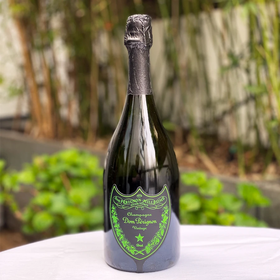
8. 1961 Moët & Chandon Dom Pérignon Charles & Diana — ~$2,600
This iconic Champagne was served at Prince Charles and Lady Diana's wedding in 1981 — one of the most watched television events in history, with 750 million viewers worldwide. Only a few rare bottles remain. The wine displays dried pineapple flavours, gentle aromas of white flowers, and a lemon zest finish that has evolved beautifully over six decades. An important piece of 20th-century history in liquid form.
Note: This is a Dom Pérignon expression produced under the Moët & Chandon house — priced and traded as Dom Pérignon in the secondary market.
9. Moët & Chandon Esprit du Siècle Brut — ~$9,000+
The Esprit du Siècle ('Spirit of the Century') is one of the rarest and most extraordinary expressions in the Moët range — a blend of the finest vintages of the 20th century, developed over more than 100 years. It has developed an elegant, complex maturity with apple and peach flavours, a soft biscuit undertone, and a fresh citrus fruit finish with extraordinary depth. Available in extremely limited quantities.
Best for: Ultimate collector pieces, significant investment occasions, the most important celebrations
10. 1975 Moët & Chandon Dom Pérignon P3 Plénitude Brut — ~$16,500
The third Plénitude (P3) of the legendary 1975 Dom Pérignon — aged approximately 25–30 years on lees before release. It scored 96 points from CellarTracker and 99 points from The Tasting Book. Vibrant intensity, fine bubbles, bright fruitiness accompanied by chocolate and vanilla flavours, oaky undertones with a mineral zest finish. Among the most extraordinary Champagnes ever produced.
Note: Like the Charles & Diana bottle, this is a Dom Pérignon P3 expression from the Moët house — a distinct product from the standard Moët range.
A Brief History of Moët & Chandon
The history of Moët Champagne began in 1743 in Épernay, northern France, when wine trader Claude Moët established Moët et Cie (Moët & Co.). He began shipping his own Champagne to Paris, where it quickly gained favour with the aristocracy.
Claude Moët's grandson Jean-Rémy Moët expanded the business dramatically, befriending Napoleon Bonaparte through their shared time at the military school of Brienne-le-Château in 1782. Napoleon became such a devoted fan that he stopped at Épernay to stock up on Moët Champagne before every military campaign.
In 1833, Jean-Rémy's brother-in-law Pierre-Gabriel Chandon de Briailles joined the business, and the company was renamed Moët et Chandon. The house officially launched the Dom Pérignon brand in 1921 as a luxury vintage Champagne. In 1971, Moët & Chandon merged with Cognac house Hennessy, and in 1987 this combined entity merged with Louis Vuitton to form the LVMH luxury conglomerate — today the world's largest luxury goods company.
LVMH also owns Krug, Veuve Clicquot, Ruinart, and Château Cheval Blanc — making it the most powerful force in fine wine and Champagne globally.
Fun Facts About Moët Champagne
Napoleon's Favourite Champagne
Napoleon Bonaparte and Jean-Rémy Moët became lifelong friends at military school in 1782. Napoleon famously stocked up on Moët Champagne before every military battle, believing it brought luck and sustained morale. Jean-Rémy received the Légion d'honneur from Napoleon, and the friendship was said to have contributed significantly to the brand's early growth.
Served at Charles and Diana's Wedding
Beyond being Queen Elizabeth II's favourite Champagne and holding a royal warrant to supply the British royal family, Moët & Chandon was chosen as the celebratory drink at Prince Charles and Lady Diana's wedding in 1981 — watched by an estimated 750 million people worldwide. The 1961 Dom Pérignon produced by the house was the chosen vintage.
Started the Tradition of Champagne Spraying
After winning the 24-hour Le Mans race in 1967, driver Dan Gurney was handed a Jeroboam of Moët Champagne. Rather than opening and drinking it, he shook the bottle and sprayed it over his team and the crowd in a moment of spontaneous celebration — and in doing so accidentally started one of sport's most enduring traditions. The practice spread to Formula 1 podiums, cycling Tour de France finishes, and championship locker rooms worldwide.
The Name Is Dutch — and Pronounced with a 'T'
Despite being a French Champagne house, the name 'Moët' is of Dutch origin — the Moët family were Belgian wine merchants. The correct pronunciation is 'Mo-ET' with a hard T at the end, not 'Mo-AY' as commonly mispronounced.
Mentioned in Songs by Freddie Mercury and Prince
Moët & Chandon has been referenced in numerous famous songs as a symbol of luxury and celebration, including 'Killer Queen' by Freddie Mercury ('She keeps her Moët et Chandon in her pretty cabinet') and multiple Prince compositions. The brand's cultural presence in music has reinforced its status as the default Champagne of celebration across decades.
How Moët Champagne Is Made
Moët Champagne has been made with the same consistency and care for nearly 280 years. Several unique aspects of their viticulture and winemaking process create the house's distinctive style:
- A blend of three varieties — Pinot Noir, Pinot Meunier, and Chardonnay — sourced from 800 parcels across 230 different villages in Champagne. This extraordinary breadth of sourcing is what gives the NV its consistency vintage to vintage
- 1,150 hectares of vineyards in the Champagne region — including significant Grand Cru and Premier Cru parcels that form the backbone of the house style
- All Champagne matures in 28km (17.4 miles) of underground tunnels beneath Épernay — a network of chalk caves that maintain a constant 11°C (52°F) temperature and 90%+ humidity year-round. The ideal conditions for the slow, complex development of bottle-aged Champagne
- Approximately 30–38 million bottles per year, making Moët the world's largest Champagne producer by volume. This scale is what allows the brand to maintain competitive pricing while using genuinely premium sourcing
Food Pairings with Moët Champagne
Moët Champagne pairs beautifully with a wide variety of foods:
| Moët Style |
Best Food Pairings |
|---|---|
| Brut Impérial NV |
Oysters, white fish, sushi, caviar, mild hard cheeses, charcuterie, aperitif canapés |
| Rosé Impérial NV |
Salmon, strawberry desserts, light chicken dishes, soft creamy cheeses, fruit salads |
| Ice Impérial |
Spiced grilled foods, Asian cuisine, summer salads — any outdoor setting |
| Grand Vintage Brut |
Lobster, scallops, roast chicken, aged Comté, more complex savory dishes |
| Grand Vintage Rosé |
Duck, salmon, strawberry tart, pigeon — more structured food pairings |
Serving temperature: 8–10°C (46–50°F) for all Moët expressions. Use a Champagne flute or tulip glass — the flute preserves the mousse and concentrates the aromas, while the tulip glass opens the wine's bouquet more generously.
Investing in Moët Champagne
Moët & Chandon standard NV expressions are not investment-grade — they are produced in large volumes for immediate consumption and their value does not appreciate. However, the house's historical bottles and Grand Vintage expressions have demonstrated genuine secondary market activity:
- A collection of 270 Moët & Chandon bottles from 1914 to 2004 sold for $180,485 at a Sotheby's London auction in 2013
- Dom Pérignon Rosé 1959 sold for $42,700 at the 2015 Acker Merrall & Condit auction in New York
- A 6-litre Methuselah of Dom Pérignon Rosé 1996 sold for $52,500 at a UK auction in 2010
For serious Champagne investment, Dom Pérignon — produced within the Moët house but traded as an independent brand — is the relevant vehicle. The 2008 Dom Pérignon is widely considered one of the finest vintage Champagnes of the 21st century and has shown consistent secondary market appreciation. Vinovest provides managed portfolio access to investment-grade Champagne including Dom Pérignon, Krug, and Cristal.
Frequently Asked Questions
What is the most popular Moët Champagne?
The Moët & Chandon Brut Impérial NV is the world's best-selling Champagne and the most popular bottle in the Moët range. It retails at approximately $51 and is available at most wine retailers globally.
How much does Moët Champagne cost?
Moët Brut Impérial NV retails at approximately $51–65 depending on retailer and location. The Rosé Impérial is around $61–70. The Grand Vintage Brut 2016 runs approximately $110. At the ultra-rare end, the Esprit du Siècle exceeds $9,000.
Is Moët Champagne good quality?
Yes — Moët Impérial Brut is consistently well-made, earning 88–92 points from major critics and multiple gold medals at the Champagne Masters competition. It is not the most complex Champagne at its price point, but its consistency, brand recognition, and genuine quality make it an excellent choice for most occasions.
How should you drink Moët Champagne?
Serve Moët Champagne at 8–10°C (46–50°F) in a Champagne flute or tulip glass. Place the bottle in an ice bucket for 20–30 minutes before serving. Open slowly by twisting the bottle (not the cork) while holding the cork down, releasing the gas gradually. Pour at a 45-degree angle to preserve the mousse.
Is Moët the same as Dom Pérignon?
No — though both are produced by the Moët & Chandon house and owned by LVMH. Dom Pérignon is a completely separate brand: a vintage-only prestige cuvée that is declared only in exceptional years, aged significantly longer on lees, and priced at $290+ for the standard P1 release. Moët Impérial Brut is a non-vintage, mass-produced wine designed for accessibility. They share a house but are fundamentally different products.
Last updated: June 2026 | Vinovest editorial team | Prices sourced from Wine-Searcher, Caskers, and the original Vinovest Moët Champagne guide