Scotch Whisky Cask Investment: The Complete 2026 Guide for Beginners
Most whisky investors think in bottles. But the world’s most experienced collectors, distillers, and institutional buyers think in casks. Owning a cask of Scotch whisky is owning the raw material itself — spirit maturing slowly in oak, gaining complexity, colour, and value with every passing year, before eventually being bottled and sold. It is a more direct, more tangible, and often more lucrative form of whisky investment than the bottle market — and one that Scotch’s unique legal framework makes particularly attractive.
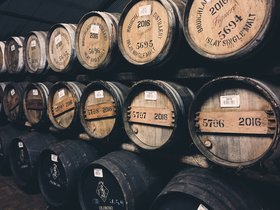
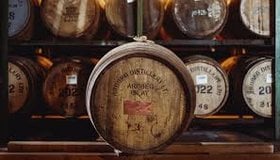
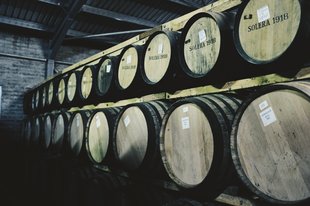
Scotch whisky cask investment means purchasing a maturing cask of Scotch held in a bonded warehouse in Scotland. The spirit inside appreciates as it ages — gaining quality, concentration, and resale value — while the investor holds ownership until they choose to sell the cask, have it bottled, or transfer it. Casks typically cost £2,300–£12,000 for young Scotch from established distilleries, rising with age and distillery reputation. The typical hold is 5–15 years, with documented cases of extraordinary returns: a Macallan sherry cask purchased for $3,865 in 1994 sold for $271,785 in 2021.
Further reading
Interested in learning more about investing in Scotch whisky? Check out these other posts: How to Invest in Whiskey Casks, Scotch Whisky Investment by Region: Speyside, Islay & Highland, and ourWhiskey Investment Guide 2026.
Why Casks Rather Than Bottles?
The bottle market is the whisky investment most people know: buy a limited release, store it well, sell it at a premium later. Cask investment is different in several important ways. First, you own the spirit before it has been bottled — at a stage where value is still being created rather than already priced in. Second, you benefit from the distillery’s brand appreciation as the spirit matures (a 15-year Springbank cask is worth more than the same distillery’s 10-year, regardless of what happened to bottle prices). Third, you avoid paying the premium that the retail and auction markets attach to bottled, labelled product.
For a Scotch investor specifically, the framework is uniquely favourable:
- Legal protection. Scotch whisky casks held in Scotland are regulated under the Scotch Whisky Regulations 2009. The spirit must be matured in Scotland in oak casks not exceeding 700 litres for a minimum of three years. This legal framework gives cask ownership robust credibility.
- CGT exemption (UK). In the UK, whisky casks are generally considered “wasting assets” (assets with a predictable lifespan) and are typically exempt from Capital Gains Tax — a significant structural advantage over many other alternative investments. Always confirm your own tax position with an adviser.
- The angel’s share compounds scarcity. Each year, roughly 1–2% of the cask’s volume evaporates through the wood — the “angel’s share.” Over a 10-year maturation, a 250-litre hogshead might hold 200 litres. This natural volume loss concentrates flavour and, for investors, means the remaining spirit becomes increasingly precious.
- Unique exit options. Unlike a bottle (which can only be sold or drunk), a cask can be sold to another investor, sold to a distillery or blender, bottled under your own label, or professionally bottled and sold at auction as “single cask” releases.
Understanding Cask Types
The cask you invest in determines the flavour the whisky will develop — and the price premium it will command at sale. Understanding cask types is one of the most important skills in Scotch cask investment. For a deep dive on individual expressions, see our guide to single cask whisky bottles.
|
Cask Type |
Typical Size |
Flavour Influence |
Investment Notes |
|---|---|---|---|
| Ex-bourbon barrel | 180–220 litres | Vanilla, honey, light oak | Most common; lower entry cost; faster maturation |
| Hogshead (ex-bourbon) | 225–250 litres | Vanilla, tropical fruit, coconut | Standard investment unit; good balance of cost and yield |
| Sherry butt | 450–500 litres | Dried fruit, spice, chocolate, richness | Commands highest premiums; Macallan’s signature style |
| Sherry hogshead | 225–250 litres | Similar to butt, slightly lighter | More accessible than full butts |
| First-fill vs refill | Any size | First-fill = more influence; refill = subtler | First-fill always commands premium |
First-fill ex-sherry butts from top Speyside distilleries represent the premium tier of the Scotch cask market — and the highest entry costs. Macallan sherry casks are the benchmark: the $271,785 sale of a 1994 cask in 2021 (versus a $3,865 purchase price) remains the most cited example of long-term cask appreciation. Most investors, however, build cask portfolios across types to balance entry cost, maturation timeline, and target flavour profile.
Which Distillery Matters — and Why
Not all distillery casks appreciate equally. Reputation is the single biggest driver of cask value at sale — a cask from an internationally recognised distillery will always find a buyer; a cask from a lesser-known producer may not. For a full breakdown of the regional investment landscape, see our Scotch whisky investment guide by region.
| Region |
Key Distilleries |
Cask Investment Profile |
|---|---|---|
| Speyside | Macallan, GlenDronach, Glenfarclas, Glenfiddich | Highest entry costs; strongest secondary market; sherry casks premium |
| Islay | Ardbeg, Bowmore, Lagavulin, Caol Ila | Passionate collector demand; peated style commands premiums; strong brand loyalty |
| Highland | Dalmore, Brora (new), Clynelish | Diverse styles; luxury end (Dalmore) and scarcity end (Brora) both investable |
| Campbeltown | Springbank, Glengyle | Cult demand; tiny output; high price per litre relative to volume |
| Lowland | Rosebank (new), Daftmill, Bladnoch | Emerging; higher risk but asymmetric upside for revive names |
Ghost or recently revived distilleries deserve a special note for cask investors. Brora and Rosebank — both now operational again — are producing new spirit in historic facilities, and early casks from these revived names carry significant speculative appeal. For more on the closed-distillery angle, see our ghost distillery investment guide.
What a Scotch Cask Actually Costs in 2026
Cask prices vary widely by age, distillery, cask type, and fill date. Here are the broad market benchmarks as of 2026:
- New make (0–3 years), standard 200-litre barrel: £2,300–£12,000, depending on distillery reputation. Entry-level for Scotch cask investment.
- Established 3–10 year cask from recognised distillery: £4,000–£8,000. A sensible mid-range starting point for most investors.
- Premium Speyside ex-sherry casks (10+ years): £15,000–£60,000+, depending heavily on distillery and fill date.
- Macallan sherry casks: £50,000–£200,000+. The benchmark premium tier; the most liquid and most sought-after cask category in the market.
Whisky Wealth Club estimates a non-branded single malt Scotch hogshead would deliver roughly 161.9% ROI over 10 years (around 10.1% annualised). The BC20 Whisky Cask Index showed that $123,000 invested in casks in 2018 would have appreciated to over $221,000 by mid-2021. These are indicative figures — actual returns depend heavily on distillery, cask type, and exit timing. For a broader comparison of cask and bottle returns, see our rare whisky vs. rare wine comparison.
How to Exit a Scotch Cask Investment
One of the most important questions any cask investor asks is: how do I get my money out? There are four main exit routes.
- Sell to another investor. The most straightforward exit: find a buyer via a specialist broker or cask marketplace. Price depends on age, distillery, cask type, and market conditions at the time.
- Sell to a distillery or blender. Distilleries and blending houses regularly buy mature casks to use in their own products. This can be arranged through a broker.
- Bottle and sell as individual bottles. Have the cask bottled under your own label (or through a bottler) and sell the resulting bottles via auction or private sale. This requires minimum 3-year age statement and compliance with SWA regulations, but can deliver higher total proceeds from premium casks.
- Drink it. You own it outright — you can always bottle a portion for personal consumption. Like wine, this “drinker’s fallback” provides meaningful downside protection.
For more on the mechanics of selling whisky investments, see our guide to selling whiskey via private sales and auctions.
How Vinovest Handles Scotch Cask Investment
Cask investment has historically been opaque and operationally complex — finding the right cask, verifying it exists where it’s claimed to be stored, understanding fair pricing, arranging insurance, and eventually finding a buyer all require specialist knowledge and relationships. Vinovest’s managed whisky platform handles the entire lifecycle on the investor’s behalf. Specialists source casks directly from vetted distilleries, giving clients access to allocations that are difficult to obtain individually. Every cask comes with an ownership certificate and is stored in a licensed bonded warehouse, fully insured, with a clear provenance trail.
When the cask reaches peak value (typically 4–8 years for whisky), Vinovest’s team coordinates the sale with premium buyers — including options to bottle and sell through Vinovest’s own channels. The 30.7% return on a recent bourbon cask exit (purchased at $1,415 per barrel, sold at $1,850 seven months later) illustrates the managed cask model working in practice. For Scotch, the longer hold horizon typically delivers stronger absolute returns, with a 10-year non-branded hogshead historically delivering around 161.9% ROI. The platform’s track record includes over $27.5 million in capital returned to 200,000+ clients and more than 1.7 million bottles under custody. For current fees and minimums by tier, see the pricing page. For the full picture on whisky as an asset class, our complete whiskey investment guide covers the broader market.
Risks to Keep in Mind
Scotch cask investment is unregulated in the UK — the SWA notes there is no regulated market for mature or maturing casks, and advertising guidance requires clear disclosure that values can go down as well as up. Fraud and mis-selling have occurred in this market: casks have been sold that didn’t exist, were not where they were claimed to be, or were not from the distillery stated. Vetting the broker or platform, demanding warehouse certificates and cask identification numbers, and verifying that the cask can be independently gauged (measured for remaining liquid) are essential steps. Only work with regulated, established operators. Distillery reputation risk is also real: a distillery that loses collector appeal will see its cask value decline. And the angel’s share means casks that are held too long risk falling below the minimum requirement for bottling. Balance patience with pragmatism.
Frequently Asked Questions
How much does a Scotch whisky cask cost?
Entry-level new-make casks from established Scottish distilleries start around £2,300–£4,000. Mid-range 3–10 year casks from recognised Speyside or Islay distilleries cost £4,000–£8,000. Premium Macallan sherry casks command £50,000–£200,000+. The right entry point depends on your budget, distillery preference, and hold horizon.
Is Scotch whisky cask investment tax-free in the UK?
UK whisky casks are generally classified as “wasting assets” and are typically exempt from Capital Gains Tax. However, tax rules are subject to change and individual circumstances vary. Always take independent tax advice before investing.
What is the angel’s share?
The angel’s share is the whisky that evaporates through the cask walls during maturation — roughly 1–2% of volume per year in Scotland’s climate. Over a 10-year hold, a 250-litre hogshead might lose around 25–50 litres. This natural loss concentrates the remaining spirit but means an investor must sell or bottle before volume drops below the minimum for a marketable yield.
How long should I hold a Scotch whisky cask?
The typical recommended hold is 5–15 years, balancing maturation quality against angel’s share loss and the opportunity cost of capital. Vinovest’s managed casks target a 4–8 year horizon for whisky broadly (see their how it works page), while specialist Scotch casks from top distilleries often reward longer holds of 10+ years.
Scotch whisky cask investment combines the tangibility of a physical asset with the appreciation dynamics of one of the world’s most collectible categories — and Scotland’s legal and tax framework makes it one of the most investor-friendly structures in the alternatives market. To see how a managed Scotch cask portfolio could work for you, explore how Vinovest handles whisky cask investment.
This article is for informational purposes only and does not constitute financial or tax advice. Past performance is not a guarantee of future results. Whisky cask investment is unregulated. All investments carry risk, including the potential loss of capital.