Whiskey Investment

Whiskey Investment Guide 2026: How to Build Wealth with Rare Spirits

by Anthony Zhang

Rare whiskey has emerged as one of the most exciting alternative investments of the past decade, combining the pleasure of collecting with serious wealth-building potential. From record-setting auctions to steady appreciation in premium bottles, whiskey offers a unique mix of tangible ownership, cultural cachet, and financial upside that few other asset classes can match.

Whether you are a whiskey enthusiast who wants to turn a passion into profit or an investor looking for a compelling tangible asset, this guide covers what you need to know about whiskey investing in 2026, from market conditions and bottle selection to cask ownership and portfolio construction.

Further reading

The State of Whiskey Investment in 2026

The year opened with what may be the most significant American whiskey auction event in history. In January 2026, Sotheby’s brought to market what it described as “the most valuable single-owner American whiskey collection ever offered at auction.” The results did not just meet expectations. They exceeded them by a wide margin.

The collection achieved $2.5 million in total sales, more than doubling the $1.68 million high pre-sale estimate. The headline lot, an Old Rip Van Winkle 20 Year Old Single Barrel bottled in 1982, sold for $162,500 and became the most valuable post-Prohibition American whiskey ever auctioned. That broke the previous record of $125,000 set just ten months earlier in March 2025, which points to accelerating demand at the ultra-premium tier.

The sale’s statistics also signal a healthy market. Every lot found a buyer, delivering a 100% sell-through rate. About 89% of lots exceeded their high estimates, which suggests expert valuations were consistently conservative. And 96% of purchases went to North American collectors, pointing to strong domestic demand rather than primarily international speculation.

One of the most meaningful signals for the long-term outlook was who showed up to buy. A third of buyers were new to Sotheby’s and half were under 40. That indicates whiskey collecting is attracting a new generation of well-capitalized enthusiasts who could support demand for years to come.

Market Performance by Category

The whiskey investment landscape isn’t monolithic. Different categories are experiencing different dynamics, and understanding these distinctions is essential for building a well-positioned portfolio.

Ultra-Premium and Rare Bottles: This segment continues to thrive, growing at roughly 6% per year even as the mass-market whiskey business softens. Auction records are being set more often, and demand for truly rare bottles, especially those with strong provenance, closed distillery origins, or standout age statements, shows no signs of slowing. Tracking indices point to about 68% appreciation for rare whiskey over five years, outperforming many traditional benchmarks.

Scotch Single Malt: The core of the global whiskey investment market saw a sharp correction in late 2024, with transaction values falling about 53% between October 2024 and January 2025. Much of that decline reflects the exit of short-term flippers who entered during the pandemic-era boom. What remains is a more sustainable market led by collectors and long-term investors. Early 2025 brought signs of stabilization and renewed bidding, especially for high-end distilleries such as Macallan, Ardbeg, and Dalmore, where limited releases and older vintages continue to command premium pricing.

American Bourbon and Rye: This category is more collectible than ever. The January 2026 Sotheby’s sale showed that American whiskey now sits alongside Scotch as a serious collector market. Allocated bourbons from Buffalo Trace, including Pappy Van Winkle, Eagle Rare 17, and George T. Stagg, plus other heritage distillers, carry steep premiums on the secondary market. The broader bourbon market is more complicated. Major distillers have cut production due to glut concerns after boom-era overproduction, but that oversupply is concentrated in the commercial segment. Ultra-premium allocated bottles remain scarce and valuable.

Japanese Whisky: This category remains highly collectible, with bottles from closed distilleries such as Karuizawa and Hanyu selling for five and six figures at auction. Active producers like Yamazaki and Nikka release limited aged expressions that can appreciate quickly. Authentication risk is higher here, so provenance and verification matter.

Types of Whiskey Investments

1. Rare Bottles

Investing in individual bottles of rare whiskey is the most accessible entry point. The key is identifying bottles with real appreciation potential based on rarity, producer prestige, age, collector demand, and market trends.

The Macallan: Macallan dominates the investment whiskey market. Often described as “the Rolex of Scotch,” Macallan accounted for nearly £30 million in transaction value at Noble and Co over a two-year period. The brand’s instantly recognizable prestige, consistent quality, and limited production of its most sought-after expressions create a reliable investment profile. A Macallan 1926 Valerio Adami label sold for about $2.7 million, making it the most expensive whiskey bottle ever sold. For investors, the Macallan 18-Year-Old Sherry Oak is an accessible starting point, while rare expressions like the Fine and Rare series and single cask bottlings offer higher upside.

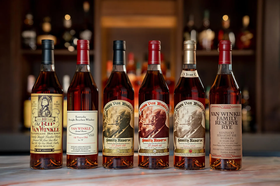
Pappy Van Winkle: Pappy Van Winkle has become the most coveted name in American whiskey. The Old Rip Van Winkle brand produces some of the most tightly allocated bourbons in existence. Annual production is small, demand is enormous, and secondary market prices reflect the imbalance. The January 2026 record-setting $162,500 sale shows that the best Pappy bottles have moved into serious investment territory, not just collector curiosities.

Japanese Whisky: Japanese whisky offers strong appreciation potential driven by extreme scarcity. Yamazaki aged expressions, especially 18-year and older, Hibiki 21, and legendary bottles from closed distilleries like Karuizawa and Hanyu command major premiums. A single bottle of Karuizawa 1960 sold for more than $400,000 at auction. This category requires extra caution on authentication since counterfeits are a real risk, especially at the highest price points.

Springbank: Springbank has quietly become one of the most collected distilleries in the world, with more than £5 million in transaction value, which ranks it second only to Macallan at Noble and Co. The distillery’s traditional production methods, small output, and loyal collector base create a strong investment profile.

Vintage Islay: Older expressions from Islay’s storied distilleries can command serious premiums. A Bowmore 1967 recently sold for £24,000, while a Laphroaig 1967 sold for £20,000. Vintage Islay is a niche but rewarding category for collectors who understand provenance and quality markers.

Macallan Folio Series: This series is a clear example of how limited edition releases can appreciate. The original Macallan Folio 1 has climbed to about £8,200 on the secondary market, well above its original release price. Complete sets of the Folio series often sell at meaningful premiums over individual bottles, rewarding collectors who buy consistently over time.

2. Cask Investment

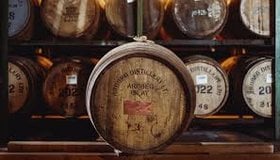
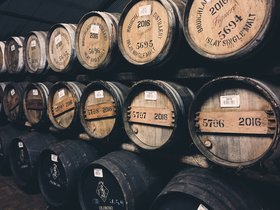
Purchasing whole casks of aging whiskey can offer higher return potential than bottle investing, but it requires more capital, a longer time horizon, and more specialized knowledge.

The appeal is straightforward. Whiskey improves as it ages in the cask, and both quality and value tend to increase over time. A cask of quality single malt purchased young can appreciate significantly as it matures from 5 years to 10, 15, or 20+ years. The “angel’s share,” the small percentage of whiskey that evaporates through the barrel each year, can work in an investor’s favor by gradually reducing supply while the remaining spirit concentrates in flavor and value.

Investment Considerations for Cask Ownership:

Capital Requirements: Entry-level casks from quality distilleries typically cost $3,000 to $15,000, depending on the distillery, spirit age, and cask type. Premium casks from renowned distilleries can cost much more. This is a higher entry point than bottle investing, but the per-unit appreciation potential can also be higher.

Storage and Legal Requirements: Casks must be held in government-bonded warehouses, which ensures legal compliance and proper aging conditions. In Scotland, Her Majesty’s Revenue and Customs (HMRC) regulates whisky warehousing. The bonded warehouse system provides security, insurance, and legal documentation of ownership, all of which are essential to maintaining and eventually realizing the investment’s value.

Time Horizon: Cask investing requires patience. While you can sell a cask at any age, the most meaningful appreciation typically happens over 10 to 20+ years as the whiskey moves into more valuable age categories. A 5-year-old cask becoming a 15-year-old represents both a quality shift and a financial step up.

Tax Advantages: In the UK, whisky casks are classified as “wasting assets,” with a predictable lifespan under 50 years due to evaporation, which can exempt them from Capital Gains Tax. This tax treatment can improve net returns compared with many other assets.

Exit Strategies: Once a cask reaches maturity, you have several options. You can sell the entire cask to a broker, blender, or another investor. You can bottle the whiskey under a private label for sale or personal use. Or you can work with an independent bottler who manages bottling, labeling, and distribution.

Vinovest offers cask investing with full professional management, including sourcing, authentication, bonded warehouse storage, insurance, and annual sampling, which removes the operational complexity that would otherwise require specialized industry knowledge.

3. Whiskey Funds and Managed Portfolios

For investors who prefer diversified, professionally managed exposure, whiskey funds pool capital across multiple bottles and casks to build diversified portfolios. Professional management handles sourcing, authentication, storage, and eventual sale.

These vehicles typically require higher minimums than direct bottle purchase ($5,000-$25,000+) and charge management fees, but they offer expertise, diversification, and convenience that individual investors may struggle to replicate. Several funds have demonstrated strong performance, though past results don’t guarantee future returns.

Best Whiskey Categories for Investment in 2026

Scotch Single Malt: The Foundation

Scotch remains the bedrock of whiskey investment, with the deepest, most liquid, and most established market. Beyond Macallan and Springbank, several distilleries merit investor attention:

Ardbeg limited releases consistently appreciate. Annual committee releases and special editions sell out within hours and immediately trade at multiples of retail on the secondary market. The distillery’s cult following and Islay pedigree support sustained demand.

Dalmore has cultivated an ultra-premium positioning through collaborations with luxury brands and extremely limited older expressions. The Dalmore Constellation Collection and Decades releases command five-figure prices.

Port Ellen and Brora are closed distilleries whose remaining stocks are finite and declining. Every bottle released permanently reduces the world’s supply. Annual Diageo Special Releases featuring these distilleries are virtually guaranteed to appreciate.

Highland Park offers an accessible entry point for investors. Limited editions like the Viking series and single cask releases trade actively on secondary markets, while older expressions (25-year, 30-year) have shown strong appreciation trends.

American Bourbon and Rye: The Growth Story

The January 2026 Sotheby’s sale cemented American whiskey’s status as a legitimate investment category. The key opportunity lies in the growing disconnect between commercial bourbon (which faces oversupply) and allocated ultra-premium bourbon (which faces virtually infinite demand against tiny supply).

Buffalo Trace’s Antique Collection, which includes George T. Stagg, William Larue Weller, Eagle Rare 17, Thomas H. Handy Sacramental Rye, and Sazerac 18, represents a reliable annual investment opportunity. These bottles retail for $100 to $130 but often trade for multiples of that on the secondary market due to extreme allocation scarcity.

Michter’s 20 and 25 Year releases have become among the most sought-after American whiskeys, with secondary market values climbing steadily. The brand’s meticulous quality standards and tiny production volumes create consistent appreciation.

Four Roses Limited Editions and Wild Turkey older releases (particularly pre-2000 bottlings) have dedicated collector followings and established secondary market values.

American Single Malt gained official category recognition from the TTB in December 2024. Early pioneers like Westland, Stranahan’s, and Balcones may appreciate as the category matures and collectors recognize the historical significance of these foundational producers, similar to how early California wine pioneers eventually commanded premium prices.

Japanese Whisky: The Scarcity Play

Japanese whisky remains one of the most rewarding and most treacherous investment categories. The rewards come from extreme scarcity, since many of the most prestigious Japanese distilleries depleted their aged stocks during the whisky boom, and rebuilding that inventory takes decades. The risk comes from authentication challenges and a market flooded with “Japanese whisky” that contains no Japanese-distilled spirit.

Focus on bottles with clear documentation from established distilleries such as Yamazaki, including aged expressions and especially 18-year and older, Hibiki 21 and other limited editions, and for investors with significant capital, bottles from the closed Karuizawa and Hanyu distilleries, which represent the highest tier of Japanese whisky scarcity.

How to Start Investing in Whiskey

Step 1: Define Your Strategy

Before purchasing your first bottle or cask, clarify your approach. Are you building a diversified investment portfolio across multiple categories? Focusing on a single passion area like bourbon or Scotch? Pursuing cask ownership for long-term appreciation? Your strategy determines your budget, time horizon, and purchasing decisions.

Step 2: Choose Your Platform or Channel

Managed Platform (Vinovest): The most efficient approach for most investors. Professional curation, authentication, insured storage, and portfolio management eliminate the operational complexity of independent collecting. Access to both bottle and cask investments through a single platform.

Direct Retail Purchase: Build a collection yourself by purchasing limited releases from reputable retailers. This approach requires dedication, including lining up for allocated releases, building relationships with store managers, and monitoring drop dates. It is time-intensive but can yield exceptional bottles at retail prices that are far below secondary market values.

Auction Houses: Sotheby’s, Christie’s, Bonhams, and specialized platforms like Whisky Auctioneer provide access to rare bottles and collections. Buyer’s premiums (typically 20-28%) must be factored into investment calculations.

Step 3: Prioritize Authentication

Counterfeit whiskey is a real and growing concern, particularly at the highest price points where the incentive for fraud is greatest. Buy exclusively from reputable sources. Verify original packaging, fill levels, label condition, seal integrity, and batch/bottling codes. For high-value purchases, consider independent authentication services. Platforms like Vinovest authenticate every bottle professionally, eliminating this risk entirely.

Step 4: Store Properly

Whiskey bottles should be stored upright, unlike wine, in climate-controlled conditions away from direct light and temperature fluctuations. While whiskey is less sensitive to storage conditions than wine, consistent temperature and darkness help preserve label condition and seal integrity, both of which can meaningfully affect resale value.

Professional storage through bonded warehouses or managed platforms provides documented custody history, insurance, and optimal conditions. For cask investments, bonded warehouse storage is a legal requirement, not an option.

Step 5: Be Patient

The best whiskey investments reward patience. Selling after a year or two rarely produces meaningful returns once you account for transaction costs. Build your portfolio thoughtfully, hold through market fluctuations, and sell when bottles reach clear appreciation milestones, not when you need short-term cash.

Building a Whiskey Investment Portfolio

Diversification Strategy

A well-constructed whiskey portfolio balances established categories with higher-growth opportunities:

Scotch Single Malt (40-50%): The core holding. Deepest liquidity, longest track record, most established secondary market. Focus on Macallan, Springbank, Ardbeg, and closed distillery expressions.

American Whiskey (25-30%): The growth engine. Demographics and cultural momentum favor continued appreciation. Focus on Buffalo Trace Antique Collection, Pappy Van Winkle, and Michter’s aged expressions.

Japanese and World Whisky (15-20%): The scarcity premium. Extreme rarity drives appreciation, but authentication risk requires careful sourcing. Allocate selectively to verified, high-provenance bottles.

Cask Investment (5-10%): The long-term play. A single cask from a quality distillery provides concentrated exposure to whiskey maturation economics. Requires patient capital and a 10+ year horizon.

Budget Considerations

Entry Level ($1,000-$5,000): Focus on allocated bourbon releases, Macallan 18, Ardbeg limited editions, and accessible Scotch single cask bottlings. Build breadth across categories.

Mid-Range ($5,000-$25,000): Add Japanese whisky, closed distillery expressions, older Macallan vintages, and consider a cask investment. Meaningful diversification becomes possible.

Premium ($25,000+): Access to ultra-rare bottles, multiple cask investments, and comprehensive portfolio construction across all major categories. Professional management through platforms like Vinovest becomes increasingly valuable at this level.

Risks and Considerations

No investment guide would be complete without an honest assessment of risks. Whiskey investment offers compelling potential, but understanding the downside scenarios is essential for making informed decisions.

Market Volatility: The Scotch market’s 53% transaction value decline in late 2024-early 2025 demonstrates that whiskey prices can correct sharply. While the ultra-premium segment proved more resilient, investors should be prepared for periods of declining values and reduced liquidity.

Authentication and Counterfeits: Fake whiskey is a growing problem, especially for high-value bottles. A counterfeit bottle is worth zero. Authentication due diligence, either through personal expertise or professional platforms, is non-negotiable.

Storage Costs and Complexity: Proper storage incurs ongoing costs, and improper storage can destroy value. Factor storage expenses into return calculations and use professional facilities for high-value collections.

Liquidity Constraints: Selling rare whiskey isn’t as simple as placing a market order on a stock exchange. Finding the right buyer at the right price can take time, especially for unusual or niche bottles. Auctions provide a reliable exit but charge significant premiums.

No Income Generation: Unlike dividend stocks or rental property, whiskey generates no income during the holding period. Returns depend entirely on price appreciation at sale. This means your capital is working toward a single future payoff rather than generating ongoing cash flow.

Regulatory Risk: Changes in alcohol taxation, import/export duties, or collecting regulations could affect market dynamics. The bourbon tariff situation between the US and EU in recent years demonstrated how trade policy can impact whiskey markets.

Frequently Asked Questions

How much do I need to start investing in whiskey?
A few hundred dollars can secure entry-level collectible bottles at retail. Cask investments typically start at $3,000 to $15,000. For a meaningfully diversified bottle portfolio, plan for $5,000 to $10,000 as a starting allocation. Platforms like Vinovest offer managed whiskey portfolios with accessible minimums.

What returns can I expect from whiskey investment?
Rare whiskey tracking indices show about 68% appreciation over five years. Individual bottles vary dramatically. Some limited releases double within months, while others take years to appreciate in a meaningful way. Ultra-premium bottles from top producers and exceptional vintages have shown the most consistent appreciation. Past performance does not guarantee future results, but the structural drivers of scarcity and growing collector demand remain intact.

Is whiskey more stable than stocks?
Whiskey has historically shown lower volatility than equities and tends to operate independently of financial market cycles. However, the secondary market can still correct sharply, as demonstrated by the Scotch market decline in late 2024. The key advantage is not stability on its own. It is low correlation with stocks and bonds, which can provide real diversification.

How long should I hold whiskey investments?
A five to ten year hold for bottles usually provides enough time for meaningful appreciation. Casks benefit from even longer horizons. A 10 to 20 year window allows the whiskey to mature into more valuable age categories. Short-term flipping under two years rarely delivers returns that outweigh transaction costs.

Does whiskey improve in the bottle?
No. Unlike wine, whiskey does not change once it is bottled. Aging happens only while the spirit sits in the cask and interacts with the wood. Older bottlings can appreciate due to scarcity and historical interest, not because the whiskey continues to improve in the bottle. A bottle of Macallan from 1970 is not better because it sat longer. It is more valuable because fewer bottles remain.

What’s the difference between whiskey and whisky?
“Whiskey” with an e is used in the United States and Ireland. “Whisky” without the e is used in Scotland, Japan, and most other producing countries. The difference is convention and spelling only, and both refer to the same category of spirit. In this guide, we use “whiskey” as the broader term except when specifically discussing Scotch whisky.

Start Your Whiskey Investment Journey

The whiskey investment market in 2026 offers a compelling combination of record-breaking demand, generational demographic tailwinds, and increasing mainstream recognition of spirits as a legitimate asset class. Whether you’re drawn to the heritage of Scotch single malt, the explosive growth of American bourbon collecting, or the extreme scarcity of Japanese whisky, there’s a place for whiskey in a well-diversified alternative investment portfolio.

Start with Vinovest and access professionally curated whiskey investments, including rare bottles and cask ownership. Our experts handle authentication, bonded warehouse storage, insurance, and portfolio management, so you can build wealth with rare spirits without the operational complexity.