Sweet Wine: The Complete Guide to Styles, Sweetness Levels and Best Bottles
Sweet wine is any wine with meaningful residual sugar left after fermentation — ranging from lightly off-dry styles like Moscato to intensely concentrated dessert wines like Tokaji and Sauternes. Sweetness comes from stopping fermentation early, fortifying with spirit, or using grapes so naturally sugar-rich (via noble rot or late harvest) that even full fermentation leaves sugar behind. This guide is your map to the entire category, from a $10 grocery-store bottle to genuinely collectible fine wine.
Sweet wine covers more ground than any other category in the wine world — from casual, low-alcohol Moscato poured at brunch to some of the most expensive, longest-lived, most seriously collected wines that exist. Understanding how sweetness actually works, and where each style sits on the spectrum, makes it far easier to find exactly what you're looking for, whether that's an easy weeknight pour or a bottle worth cellaring for decades.
Further reading
- Check out these guides covering extraordinary Sweet Red Wines and Sweet White Wines.
- Ready to start investing in wines? Here's a guide on How to Invest in Fine Wines from as little as $1,000.
How Wine Becomes Sweet
Sweetness in wine is measured by residual sugar (RS) — the natural grape sugar left over once fermentation stops, expressed in grams per litre (g/L). There are three main routes to producing it:
- Stopping fermentation early. Winemakers halt fermentation — through chilling, filtration, or adding sulfur — before all the sugar converts to alcohol, leaving a lighter, lower-ABV sweet wine. Moscato and many entry-level sweet reds are made this way.
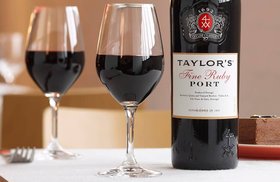
- Fortification. Grape spirit is added during fermentation, killing the yeast and locking in sweetness while boosting alcohol. This produces Vintage Port, Madeira, and sweet styles of Sherry.
- Extreme natural ripeness. Grapes affected by noble rot (botrytis) or dried on the vine (late harvest, ice wine) become so concentrated in sugar that fermentation leaves substantial sweetness behind even when it runs to completion. This produces Sauternes, Tokaji, and German Trockenbeerenauslese — often the longest-lived and most collectible sweet wines of all.
For the full sweetness scale, from bone dry through lusciously sweet, see our wine sweetness chart.
Sweet Wine by Category
| Style |
Typical Price Range |
Best For |
|---|---|---|
| Everyday sweet red/white (Moscato, Riesling) | $8–$20 | Casual, everyday drinking |
| Sweet sparkling (Prosecco, Demi-Sec Champagne) | $15–$80 | Celebrations, brunch |
| Late-harvest & noble rot (Sauternes, Tokaji) | $40–$300+ | Serious dessert pairing, collecting |
| Fortified (Vintage Port, Madeira, PX Sherry) | $30–$1,500+ | Long-term ageing, investment |
Everyday Sweet Wines
This is the largest and most accessible tier — light, fruity, low-ABV wines built for easy, immediate drinking. Moscato is the most popular entry point, alongside sweet reds like Lambrusco, Stella Rosa Rosso, and Barefoot Sweet Red Blend. These wines rarely benefit from ageing and are meant to be enjoyed young, chilled, and without ceremony. For a beginner-focused breakdown of this category, see our guide to sweet red wine for beginners, and for a deeper dive into the mid-sweetness tier, our semi-sweet red wine guide.
Sweet Sparkling Wine
Sweetness in sparkling wine runs on its own dosage-based scale, from Brut Nature (bone dry) to Doux (very sweet). Sweet Prosecco, Demi-Sec Champagne, and Italy's aromatic Asti Spumante and Brachetto d'Acqui sit at the accessible, celebratory end of the category. Our complete guide to sweet sparkling wine covers the full sweetness scale and best bottles by style.
Sweet Rosé
From lightly off-dry Pink Moscato to fuller, sweeter blush wines, sweet rosé sits between white and red on both color and character. See our guide to sweet rosé wine for the range of styles and best bottles.
Late-Harvest and Noble Rot Wines
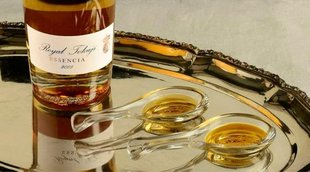
This tier represents a significant step up in seriousness and price. Sauternes, from Bordeaux, is the benchmark noble-rot white, pairing intense sweetness with searing acidity that keeps it balanced rather than cloying. Tokaji Aszú, Hungary's legendary sweet wine, can age for a century or more in its most concentrated Eszencia form — see our Tokaji investment guide for the full category, including its institutional pedigree and genuine undervaluation relative to comparable styles.
Fortified Sweet Wines: The Collectible Tier
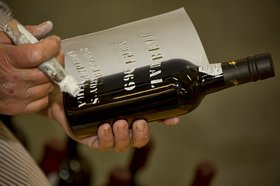
Fortified wines represent the most investment-relevant corner of the sweet wine world. Vintage Port, declared only in exceptional years, can age 30 to 50+ years — our Vintage Port investment guide covers the top declared vintages and producers. Madeira takes longevity even further: thanks to its unique heating process, it essentially never spoils, with genuine 19th-century bottles still actively traded today — see our Madeira investment guide for the details. Sweet Sherry, particularly Pedro Ximénez, rounds out the category with intensely rich, raisin-and-molasses character at generally more accessible prices.
How to Choose a Sweet Wine
- For casual, everyday drinking: Moscato, sweet red blends, or Prosecco — low commitment, low price, no ageing required.
- For a special dinner or dessert pairing: Sauternes or Tokaji, both built to stand up to rich food and desserts.
- For long-term cellaring or investment: Vintage Port, top Sauternes, and Tokaji Eszencia all have genuine multi-decade ageing potential and, in the right names, real collector demand.
Frequently Asked Questions
What is the sweetest wine in the world?
Tokaji Eszencia and German Trockenbeerenauslese sit at the extreme sweet end, with residual sugar that can exceed 300–800 g/L in the most concentrated examples — dramatically sweeter than a typical dessert.
Does sweet wine age well?
The best sweet wines age exceptionally well — often better than dry wine. High sugar and acidity act as natural preservatives, which is why fortified and noble-rot wines like Port, Madeira, Sauternes, and Tokaji rank among the longest-lived wines in existence.
Is sweet wine higher in calories than dry wine?
Generally yes, since sugar adds calories on top of alcohol. But the difference is often smaller than assumed — a low-ABV sweet wine like Moscato d'Asti can have fewer calories than a high-ABV dry red, because alcohol contributes more calories per gram than sugar.
Sweet wine spans everything from a $10 weeknight bottle to some of the most seriously collectible wines in the world. For investors interested in the category's fine-wine end, explore how wine investing works.
Post updated August 2026 by the Vinovest editorial team.