10 Most Expensive Japanese Whisky Bottles in 2026 (Prices & Investment Guide)
The most expensive Japanese whisky ever sold is the Yamazaki 55-Year-Old Single Malt — $953,237 per bottle, with only 200 bottles ever released. Japanese whisky has delivered 428% growth over the past decade, outperforming watches, wine, and cars. Recent data shows Ichiro's Malt Ace of Spades up 32% in 5 months (Nov 2024–Apr 2025); Yamazaki Junshin up 71% in the same period.
Expensive Japanese whisky bottles hold more than just liquid. They embody rich culture, heritage, meticulous craftsmanship, and — increasingly — serious financial returns. Japanese whisky is no longer just a collector's trophy. It is a global asset class with documented auction records, trackable price appreciation, and fundamental supply constraints that make the investment case compelling.
In this guide, we explore the most expensive Japanese whisky bottle ever sold, 9 other exceptional bottles, 6 other Asian whisky brands to watch, why Japanese whisky commands such premiums, the investment data behind the category, and how to access whisky cask investment through Vinovest.
Further reading
- Explore everything about The Revered Isabella Islay Whiskey — one of the world’s most expensive whiskey bottles.
- Check out our Proven Tips on Whiskey Investment — factors to consider before investing, how to invest, the best bottles to pick, and more.
What Is the Most Expensive Japanese Whisky Ever Sold?
The most expensive Japanese whisky ever sold is the Yamazaki 55-Year-Old Single Malt, which achieved $953,237 per bottle. It belongs to the House of Suntory — one of Japan's oldest distillers — which released 100 bottles in 2020 and a further 100 in 2021.
This extraordinary whisky is a unique blend of special single malts first distilled in 1960 and aged in a Mizunara (Japanese oak) cask under the supervision of Suntory's founder Shinjiro Torii. A second set of components was distilled in 1964 and aged in white oak casks under the distillery's Second Master Blender, Keizo Saji. The deep amber liquid boasts impressive depth and complexity — a powerful sandalwood nose with ripened fruit aromas, and a bitter yet sweet woody palate.
The bottle itself is a work of art: crystal whisky with a Mizunara wood box decorated with Suruga lacquer. The bottle mouth is wrapped in handmade Echizen Washi — a traditional Japanese paper made from the bark fibers of plants — and tied with a traditional Kyoto braided cord.
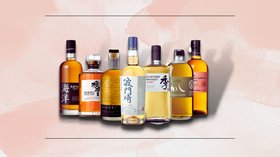
9 Other Expensive Japanese Whiskies to Explore in 2026
| Whisky | Price | Distillery | Key Facts |
|---|---|---|---|
| Yamazaki 50-Year-Old Single Malt | $319,190 | Suntory / Yamazaki | Only 150 bottles; sandalwood nose; aged 50 years in oak casks |
| Hibiki 35-Year-Old Blended Whisky | $85,104 | Suntory |
Only 150 bottles; honey, vanilla, spice; 2018 ISC Gold Award; American oak + Mizunara |
| Ichiro's Malt Hanyu 'Jack of Clubs' Card Whisky | $65,819 | Ichiro's Malt / Hanyu |
Card Series; aged Mizunara Puncheon; oak, vanilla, spice; 60 expressions in 2014 |
| Karuizawa Geisha Vintage Gold Cask 40-Year-Old | $57,198 | Karuizawa (closed 2011) |
Only 392 bottles; Geisha label in gold/black; single sherry cask; dark fruit, chocolate, oak |
| Ichiro's Malt Hanyu 'Two of Spades' Oloroso Sherry Butt | $46,038 | Ichiro's Malt / Hanyu |
Card Series; Oloroso sherry cask; dark fruit, spice, oak; masterwork of Ichiro Akuto |
| Karuizawa Ruby Geisha 34-Year-Old | $37,953 | Karuizawa |
Distilled 1981; aged sherry casks; smooth, silky; dark chocolate, dried fruit, vanilla |
| Hibiki 30-Year-Old Blended Whisky | $7,291 | Suntory |
Master blender Shingo Torii; Yamazaki + Hakushu + Chita; honey, dried fruit, spice; ISC Gold 2020-2022 |
| The Hakushu 25-Year-Old Single Malt | $5,971 | Suntory / Hakushu |
World's Best Single Malt (WWA 2020); green apple, honey, smoky oak; Yamanashi Prefecture |
| Nikka Yoichi Limited Edition Final Version 20-Year-Old | $5,690 | Nikka / Yoichi |
Distilled 1988; aged 20 years old sherry cask; peat smoke, dried fruit, honey |
Detailed Tasting Notes — Top 9 Bottles
1. The Yamazaki 50-Year-Old Single Malt Whisky ($319,190)
A highly sought-after and rare Japanese whisky with a sandalwood nose and a complex flavour profile. Aged 50 years in oak casks at the Yamazaki distillery, only 150 bottles were ever produced. The Yamazaki 50 is the slightly older sibling to the world-record 55-Year-Old, and its rarity and quality make it equally compelling to collectors. Each bottle is individually numbered.
2. Ichiro's Malt Hanyu 'Jack of Clubs Card' ($65,819)
This highly coveted whisky, aged in a Japanese Mizunara oak cask, presents a complex flavour with tasting notes of oak, vanilla, and spice. It belongs to the legendary 'Card Series' — 60 expressions of single malts representing different flavour profiles developed by whisky legend Ichiro Akuto after he saved the Hanyu distillery's stock from destruction in 2004. The Card Series has become one of the most collectible whisky sets in the world.
3. Hibiki 35-Year-Old Blended Whisky ($85,104)
A fantastic blended whisky aged 35 years in a combination of American oak and Japanese Mizunara cask. It boasts notes of honey, vanilla, and spice. The distillery produced only 150 bottles of this Hibiki expression, and it won the 2018 International Spirits Challenge Gold Award. The Hibiki range from Suntory is one of Japan's most acclaimed blended whisky families.
4. Karuizawa Geisha Vintage Gold Cask 40-Year-Old ($57,198)
Karuizawa distillery closed in 2011, making every bottle of its whisky a finite resource that will only increase in scarcity. With just 392 bottles produced, this 40-year-old shines with rich dark fruit, chocolate, and oak notes. Each bottle features a beautiful label depicting a Japanese geisha in a gold and black design — making it as visually remarkable as it is rare.
5. Ichiro's Malt Hanyu 'Two of Spades Card' ($46,038)
Aged in Oloroso sherry casks, this whisky has a complex and rich flavour profile with dark fruit, spice, and oak tasting notes. Another jewel from the Card Series — each of Ichiro's Card expressions tells a different flavour story through its cask choice, age, and grape varietal influence.
6. Karuizawa Ruby Geisha 34-Year-Old ($37,953)
Known for its smooth and silky texture, this Karuizawa single malt features dark chocolate, dried fruit, and vanilla flavours. Distilled in 1981 and aged in sherry casks, it is part of a limited release where every bottle features a different label design showcasing a traditional Japanese Geisha. Another example of Karuizawa's extraordinary collectible appeal from the now-silent distillery.
7. Hibiki 30-Year-Old Blended Whisky ($7,291)
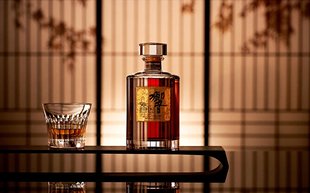
Created by master blender Shingo Torii from a combination of single malt whiskies from Yamazaki and Hakushu, plus grain whisky from the Chita distillery, the Hibiki 30-Year-Old offers nuanced honey, dried fruit, and spice. It won gold at the International Spirits Challenge in 2020, 2021, and 2022 — remarkable consistency across three consecutive years.
8. The Hakushu 25-Year-Old Single Malt ($5,971)
A premium Japanese whisky from the Hakushu Distillery in Yamanashi Prefecture, crafted using malted barley, peat smoke, and mineral-rich mountain water. It showcases green apple, honey, and smoky oak notes and won 'World's Best Single Malt' at the World Whiskies Awards 2020 — one of the most prestigious titles in the industry.
9. Nikka Yoichi Limited Edition Final Version 20-Year-Old ($5,690)
Distilled in 1988 and aged for 20 years in old sherry casks, this Nikka whisky is produced at the Yoichi distillery established by renowned Japanese businessman Masataka Taketsuru. A deep, complex flavour profile with notes of peat smoke, dried fruit, and honey. One of the most prized expressions from the Nikka stable.
6 Other Expensive Asian Whisky Brands to Watch
| Brand | Country | Style | Why Watch |
|---|---|---|---|
| Kavalan | Taiwan | Tropical fruit cask finishes, smooth and rich |
Most awarded Asian whisky brand; consistent critical acclaim globally |
| Amrut | India | Single malt from locally sourced Indian barley |
Rapid maturation in Indian climate produces concentrated, distinctive character |
| Nantou (Omar) | Taiwan | Fruity, floral, malty; traditional methods |
Growing international reputation; accessible price with genuine quality |
| Rampur Indian Single Malt | India | Sherry and bourbon aged; rich and complex |
Premium positioning; export-focused; competitive with Japanese at accessible prices |
| Paul John | India (Goa) | Bold, spicy, fruit-forward |
Critically acclaimed in UK and European markets; consistent award winner |
| Niu Lan Shan | China | Blended and single malt; Chinese distilling techniques |
Emerging; watch for price appreciation as Chinese premium spirits develop |
Why Is Japanese Whisky Usually Expensive?
High-Quality Ingredients
Japanese whisky distilleries use premium malted barley, corn, and water selected and blended to ensure the highest possible flavour quality. Suntory, for example, draws water from the pristine springs beneath Mt. Rokko for Yamazaki and the pristine mountain water of the Southern Japanese Alps for Hakushu. These natural resources cannot be replicated elsewhere.
Traditional Production Techniques
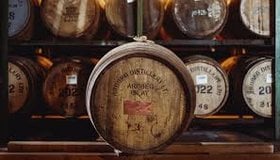
Japanese whisky production follows traditional Scottish whisky-making techniques — double distillation in pot stills, aging in oak barrels, expert blending — but with distinctly Japanese refinements: the use of Mizunara (Japanese oak) casks, which impart unique sandalwood, incense, and tropical fruit characteristics unavailable from American or European oak. Mizunara aging is also exceptionally slow and difficult to manage, adding both time and expertise costs.
Limited Production and Supply Constraints
Many Japanese whisky distilleries have strictly limited production capacities. Suntory's Yamazaki produces limited releases with only hundreds of bottles annually for its premium expressions. Karuizawa — which closed in 2011 — produced a finite stock that will never be replenished. This fundamental supply constraint, combined with rising global demand, creates inevitable price appreciation.
Extended Aging
Japanese whisky is aged for at least three years legally, but premium expressions are aged 20–55 years. Each year of aging involves costs of warehouse space, cask maintenance, and the 'angel's share' — the portion of whisky that evaporates from the barrel (typically 2–3% per year in Japan's climate). A 50-year-old whisky has lost approximately 50–70% of its original volume to evaporation alone, making what remains extraordinarily precious.
Collectibility and Brand Investment
Japanese whisky brands — particularly Yamazaki, Hibiki, and Karuizawa — have invested substantially in building global prestige through competition entries, international distribution, and collector community engagement. The result is a brand premium that commands respect from collectors worldwide.
Japanese Whisky by the Numbers: Proof of Investment Returns
The investment case for Japanese whisky is increasingly well-documented:
- Ichiro's Malt Hanyu 'Ace of Spades Card' Single Malt rose 32% from $56,408 (November 2024) to $74,401 (April 2025) — just 5 months
- Rose 71% from $54,691 (November 2024) to $93,320 (April 2025) in the same period
- Sold for $800,000 at a Bonham's auction in August 2020 — and set the world record of $953,237 subsequently
- A 52-year-old Karuizawa sold for $435,273 at Sotheby's in March 2020
- The 2022 Knight Frank Wealth Report tracked rare whisky delivering 428% growth over the previous decade — outperforming watches (108%), wine (137%), and classic cars (164%)
- Average annual return on rare whisky casks is approximately 10–12% based on industry data through 2024; the BC20 Whisky Cask Index grew 14.95% in 2022, outperforming the S&P 500
Investing in Whisky Casks Through Vinovest
While investing in an expensive bottle is lucrative, whisky cask investment offers potentially more substantial gains. You can buy whisky casks at a much younger age and lower price than matured whisky — and the spirit only gets better and more valuable over time.
Vinovest's AI-powered platform provides access to investment-grade casks of American whiskey, Japanese whisky, Scotch whisky, and Irish whiskey. Benefits include:
- Vinovest authenticates, stores, and insures your whisky cask — and you can sample your whisky once a year
- Direct access to distilleries and cask brokers avoids intermediary markups
- Vinovest's advisory team guides you toward casks with strong appreciation potential
Frequently Asked Questions
What is the most expensive Japanese whisky?
The most expensive Japanese whisky ever sold at auction is the Yamazaki 55-Year-Old Single Malt, which achieved $953,237 per bottle. Only 200 bottles were produced across two releases (2020 and 2021).
Is Japanese whisky a good investment?
Yes — Japanese whisky has been one of the strongest-performing alternative assets of the past decade, delivering 428% growth over 10 years according to the Knight Frank Wealth Report. Individual bottles from closed distilleries like Karuizawa and scarce Suntory releases have shown particularly strong appreciation. Whisky cask investment offers an accessible entry point with potential annual returns of 10–12%.
Why is Japanese whisky so expensive?
Six factors drive Japanese whisky pricing: high-quality ingredients, traditional production techniques (including the unique use of Mizunara oak), limited production at each distillery, extended aging periods (some 50+ years), strong global marketing and brand investment, and the collectibility of rare bottles. Some distilleries like Karuizawa have closed, making their remaining stock a permanently finite resource.
What is the difference between Yamazaki and Hibiki?
Yamazaki is a single malt whisky produced exclusively at the Yamazaki distillery — Japan's first and oldest malt whisky distillery, founded in 1923. Hibiki is a blended whisky produced by Suntory from a combination of single malt whiskies from Yamazaki and Hakushu distilleries plus grain whisky from the Chita distillery. Both are from Suntory; Yamazaki is terroir-specific, Hibiki is a master blender's composition.
What happened to Karuizawa whisky?
Karuizawa distillery in Nagano Prefecture closed in 2011, making all existing Karuizawa stock a finite resource that will never be replenished. This fundamental scarcity is why Karuizawa bottles command extraordinary premiums — every bottle sold reduces the remaining global supply. Remaining bottles are predominantly held by collectors and specialist traders.
Last updated: June 2026 | Vinovest editorial team | Price data sourced from Wine-Searcher, Bonham's, Sotheby's, and the original Vinovest Japanese whisky guide