Wine Grapes: 20 Essential Varieties Every Wine Drinker Should Know
Of the roughly 1,300 wine grape varieties grown commercially worldwide, a small handful dominate global production and quality wine — led by Cabernet Sauvignon, Merlot, and Pinot Noir among reds, and Chardonnay, Sauvignon Blanc, and Riesling among whites. Understanding these 20 essential grapes gives you a working vocabulary for nearly every bottle you'll encounter.
Every bottle of wine starts as a single decision: which grape, or blend of grapes, to plant. That choice shapes everything downstream — flavor, structure, ageing potential, and ultimately, price. This guide walks through the grape varieties that matter most, organized by style, with a sense of where each performs best and what to expect in the glass.
Further reading
- Curious about investing in fine wine? Get a headstart with this detailed guide on How to Invest in Wine With Just $1,000.
- If you don’t know which bottles to invest in, check out our guide covering the Most Popular Investment Wines.
Why Grape Variety Matters
Grape variety is the single biggest factor shaping a wine's character, ahead of even winemaking technique or region. Thick-skinned grapes like Cabernet Sauvignon produce naturally tannic, structured wines built for ageing; thin-skinned varieties like Pinot Noir produce lighter, more delicate wines that show terroir with unusual transparency. Some grapes, like Riesling, retain searing natural acidity across nearly any climate; others, like Grenache, ripen into soft, high-alcohol wines even in hot growing regions. Understanding a grape's inherent tendencies is the fastest way to predict what's actually in the bottle before you open it.
Essential Red Wine Grapes
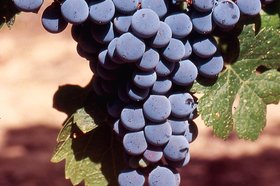
- Cabernet Sauvignon — the world's most planted premium red grape. Thick-skinned, naturally tannic, and structured, with blackcurrant, cedar, and graphite notes. The backbone of Bordeaux's Left Bank and Napa Valley's most collectible wines.
- Merlot — softer and rounder than Cabernet Sauvignon, with plum and dark cherry flavors and gentler tannin. Dominant on Bordeaux's Right Bank (Pomerol, Saint-Émilion) and a common blending partner elsewhere.
- Pinot Noir — thin-skinned, light-colored, and famously terroir-transparent. The sole red grape of red Burgundy, with red fruit, earth, and floral character that shifts dramatically by vineyard site.
- Syrah / Shiraz — dark, peppery, and full-bodied. Called Syrah in France's Northern Rhône (Hermitage, Côte-Rôtie), Shiraz in Australia, where it produces richer, riper expressions like Penfolds Grange.
- Nebbiolo — Italy's great structured red grape, pale in color but ferociously tannic and acidic. The grape behind Barolo and Barbaresco in Piedmont.
- Sangiovese — Tuscany's flagship grape, high in acidity with tart cherry and dried herb notes. The base of Chianti, Brunello di Montalcino, and (in a blend) many Super Tuscans.
- Grenache — high-sugar, naturally high-alcohol, soft in tannin. A key blending grape in Châteauneuf-du-Pape and the backbone of Spain's Priorat under the name Garnacha.
- Tempranillo — Spain's signature red grape, with leather, tobacco, and red fruit character. The foundation of Rioja and Ribera del Duero.
- Malbec — historically a minor Bordeaux blending grape, now Argentina's signature variety, producing deep, plush, dark-fruited wines from high-altitude Mendoza vineyards.
- Zinfandel — California's adopted grape (genetically identical to Croatia's Crljenak Kaštelanski), producing jammy, high-alcohol reds with bramble and black pepper notes.
Essential White Wine Grapes
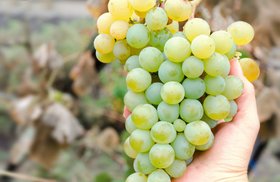
- Chardonnay — the world's most planted premium white grape, remarkably adaptable: steely and mineral in Chablis, rich and buttery when oaked in Napa or Australia. The white grape of white Burgundy and Champagne.
- Sauvignon Blanc — crisp, high-acid, and aromatic, with grassy, citrus, and passionfruit notes. Defines the Loire Valley's Sancerre and New Zealand's Marlborough style.
- Riesling — arguably the most versatile grape in the world, ranging from bone-dry to lusciously sweet, always anchored by searing natural acidity. Germany's signature grape, also excellent in Alsace and Austria.
- Pinot Grigio / Pinot Gris — light and crisp as Pinot Grigio in Italy, richer and more textured as Pinot Gris in Alsace — the same grape expressed in two very different styles.
- Chenin Blanc — extraordinarily versatile, made dry, sweet, or sparkling. The signature grape of the Loire Valley's Vouvray and Savennières, capable of ageing for decades.
- Viognier — aromatic and full-bodied, with stone fruit and floral perfume. The grape behind the Northern Rhône's rare white Condrieu.
- Gewürztraminer — intensely aromatic, with lychee, rose, and spice notes. A specialty of Alsace, often made in an off-dry style.
- Furmint — Hungary's great white grape, prized for its high acidity and susceptibility to noble rot, forming the backbone of Tokaji Aszú.
- Albariño — Spain's crisp, coastal white grape from Rías Baixas, with citrus and stone fruit notes and a distinctive saline edge.
- Glera — the grape behind Prosecco, light, fruity, and low in tannin, almost always made into sparkling wine.
How Grape Variety Connects to Investment Value
Certain grapes have historically produced the world's most collectible and investment-grade wines — Cabernet Sauvignon and Merlot in Bordeaux, Pinot Noir in Burgundy, Nebbiolo in Piedmont, and Sangiovese in Tuscany chief among them. That's not a coincidence: these varieties combine natural structure and tannin (which support long ageing) with a demonstrated multi-decade track record in the world's most established fine wine regions. For a fuller picture of how grape, region, and producer combine to define investment-grade wine, see our guide to the best investment wines and our complete wine investing guide. For a deeper look at Italy's native grape varieties specifically, see our guide to Italian wine grapes.
Frequently Asked Questions
What is the most planted wine grape in the world?
Cabernet Sauvignon and Merlot are generally considered the two most widely planted premium wine grapes globally, though Airén (a Spanish white grape used mostly for bulk wine and brandy) has historically had the largest total planted area worldwide.
How many wine grape varieties are there?
Roughly 1,300 grape varieties are grown commercially for wine worldwide, though a relatively small number — perhaps 20 to 30 — account for the vast majority of quality wine production globally.
What grape makes the most expensive wine?
Pinot Noir, through Burgundy's Domaine de la Romanée-Conti, produces some of the most expensive wine in the world, with individual bottles selling for hundreds of thousands of dollars at auction.
Understanding grape variety is the foundation of understanding wine itself — everything else, from region to producer to vintage, builds on top of that first choice. To see how these grapes translate into serious fine wine investment, explore how wine investing works
Post updated August 2026 by the Vinovest editorial team.